Just an hour’s ferry ride from the port of Lavrio in Athens, Kea (also known locally as Tzia) rests quietly at the gateway of the Cyclades. Unlike its high-profile neighbors, Santorini and Mykonos, Kea retains a serene, understated charm, an island defined by ancient stone paths, terraced valleys, royal oak forests, and uncrowded coves shaded by tamarisk trees.
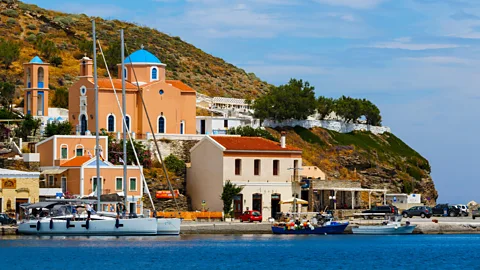
Long cherished as a quiet escape for Athenian insiders, sailors and low-maintenance locals, Kea is stepping into a well-deserved spotlight. With the arrival of luxury sanctuaries like the One&Only Kéa Island and eco-conscious hideaways like Kea Retreat, the island offers an extraordinary blend of rustic Cycladic authenticity and modern luxury.
in myth & maritime mystery
Kea’s history is rich and multi-layered, spanning thousands of years:
-
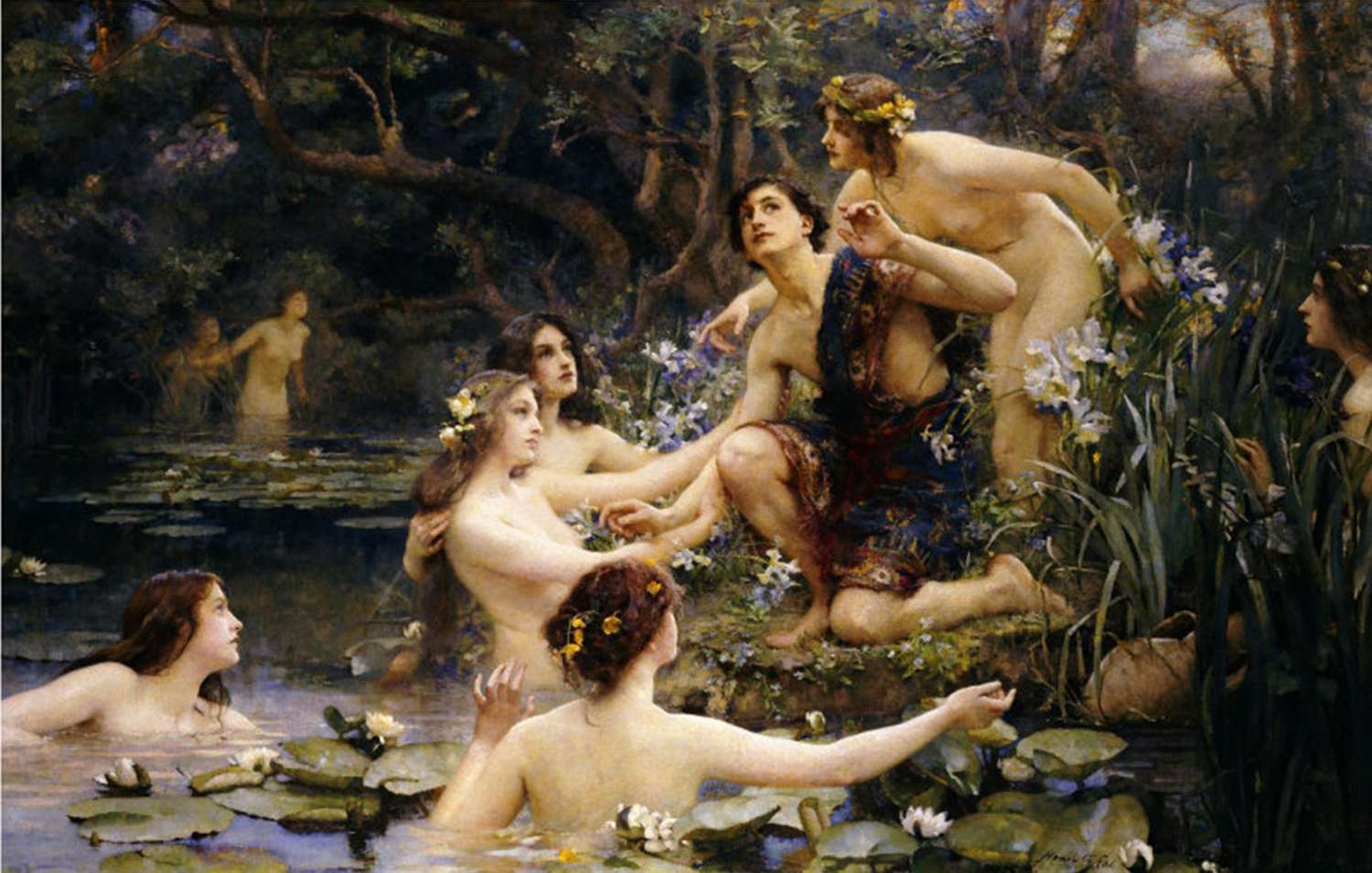
The myth of the nymphs & lion: Ancient legend tells us that Kea was once inhabited by water nymphs (Naiads) whose beauty provoked the jealousy of the gods. Sent by Olympus, a fierce lion drove the nymphs away until Apollo’s son brought rainfall and blessed the island with agriculture and beekeeping.
-
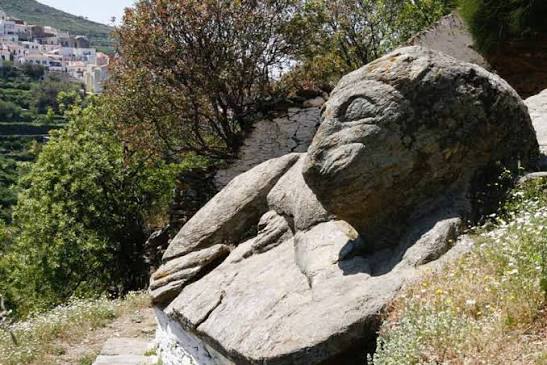
The lion of Kea (Liontas): Sculpted out of native stone around the 6th century BC, this enigmatic, smiling stone lion sits along a trail outside Ioulida, guarding the island’s ancient past.
-
The four city-states: In classical antiquity, Kea was divided into four distinct city-states—Ioulis, Karthaia, Koressia, and Poieessa, each with its own mints, laws, and temples.
-
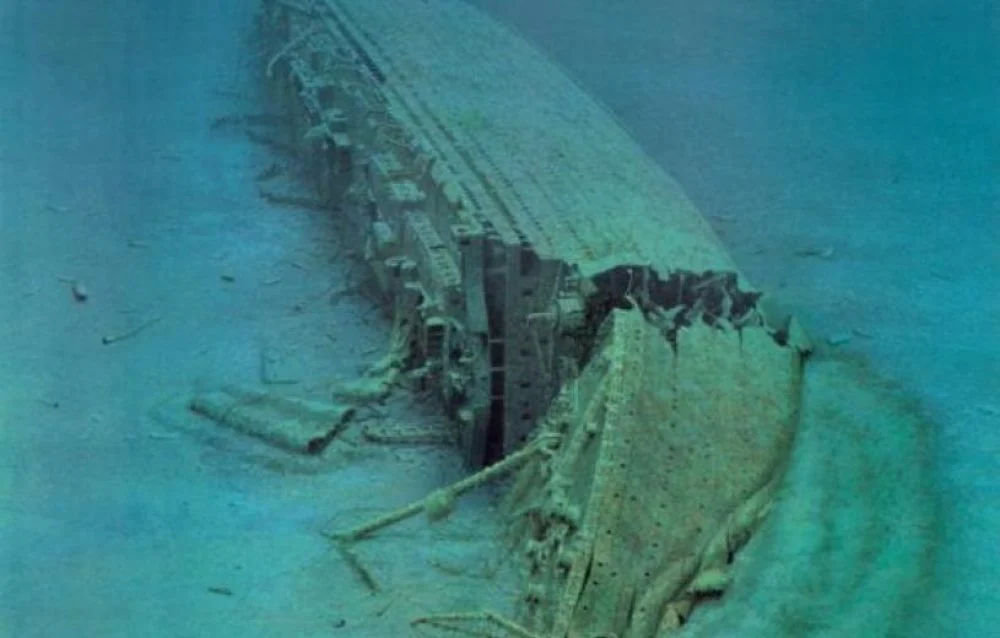
Sunken treasures & wrecks: The waters around Kea are world-famous among divers. Kea is the final resting place of the HMHS Britannic (the sister ship of the Titanic), which sank off the coast in 1916.
Things to See & Do
1. Wander through vehicle-free Ioulida (Chora)
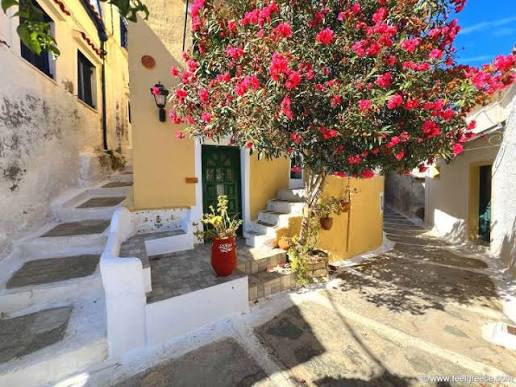
Built amphitheatrically across three hills to hide from medieval pirates, Kea’s inland capital of Ioulida is completely car-free.
-
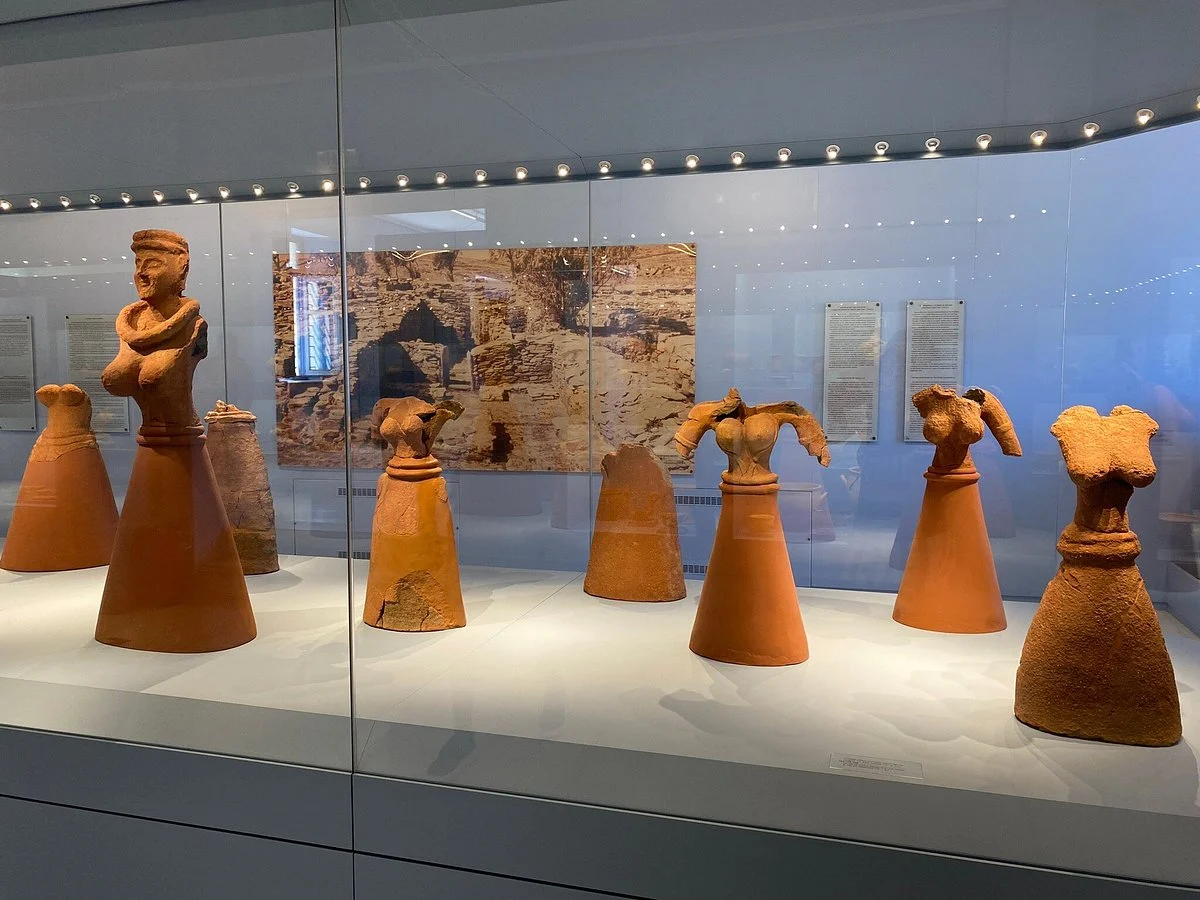
Stroll along covered stone alleys (stigadia), admire the neoclassical Town Hall (designed by Ernst Ziller), and pop into the Archaeological Museum of Kea.
-
Stop at the main square (Piatsa) for an iced café or a glass of ouzo under shady trees at local tavernas.
-
Follow the short paved path out of town to greet the ancient Stone Lion.
2. Hike to ancient Karthaia
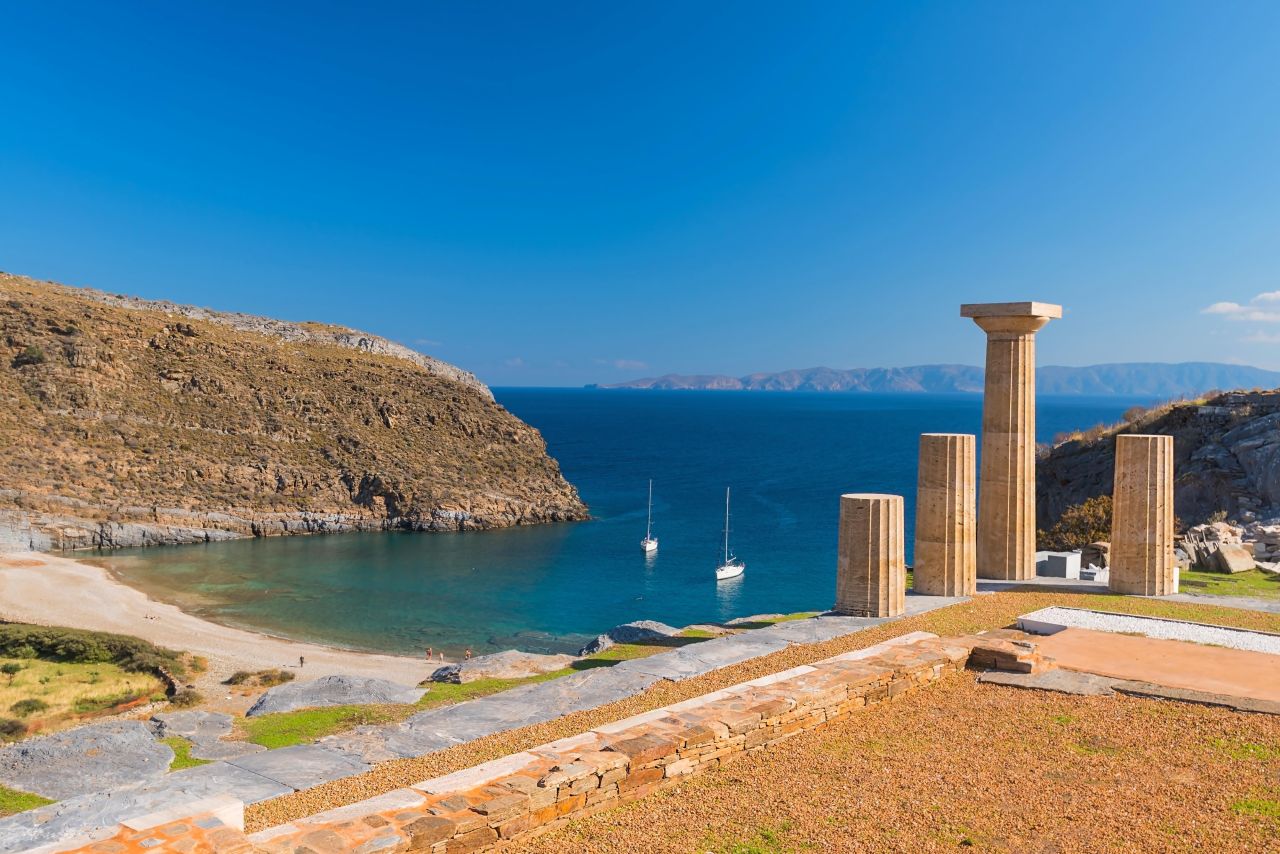
For lovers of nature and archaeology, the trek down to Ancient Karthaia is an absolute highlight. Accessible only on foot via ancient stone paths or by boat, these pristine ruins feature 4,000-year-old Doric columns dedicated to Apollo and Athena right above the coastline. Taking a swim right beneath classical marble columns is an unforgettable experience.
3. Harbor life in Vourkari & Korissia
-
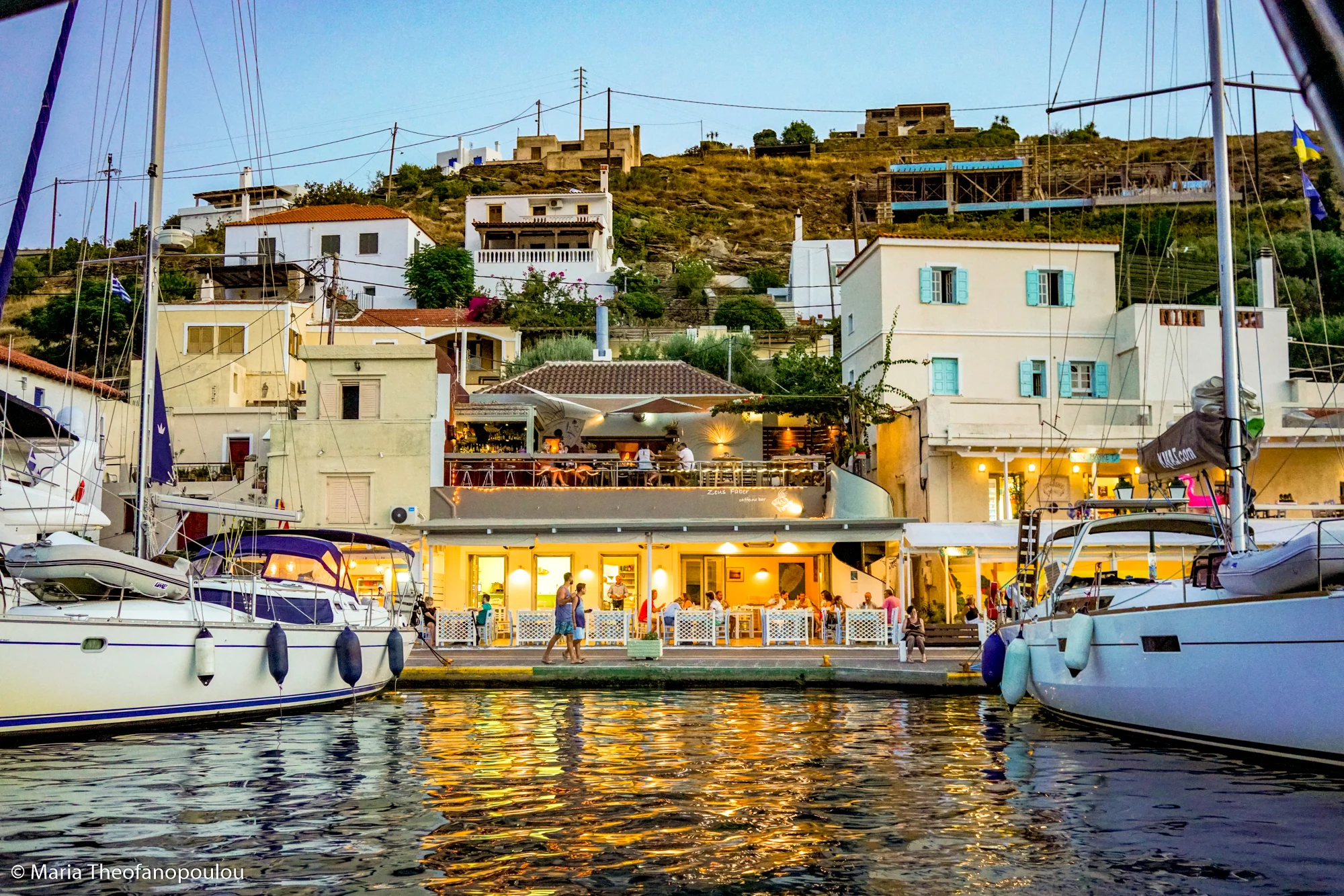
Vourkari: The island’s cosmopolitan coastal hub. Lined with sailboats and yachts, seaside art galleries, chic boutiques and popular seafood tavernas, it’s the go-to spot for evening strolls, fresh lobster pasta, and sunset cocktails.
-
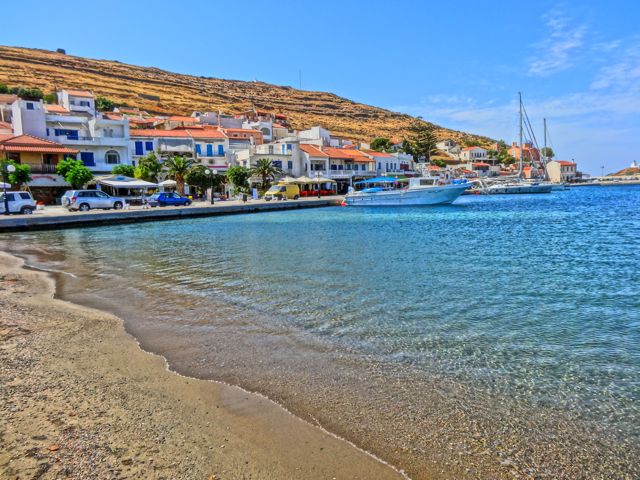
Korissia: The welcoming port town filled with traditional bakeries, local shops and relaxed harborside cafes.
4. Bask in coastal tranquility & water sports
Kea’s coastline features a mix of uncrowded, raw coves and organized beaches:
-
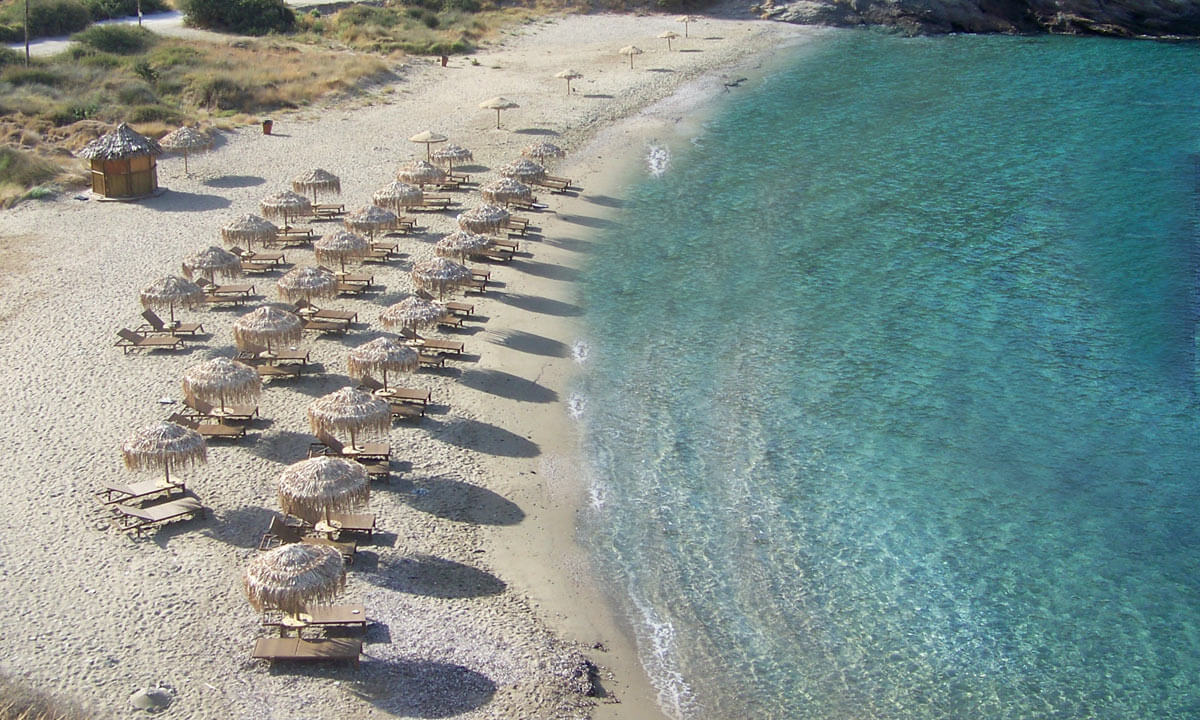
Xyla: A serene beach reached via dirt road, famous for crystal-clear waters and peaceful late-afternoon sunset swims.
-
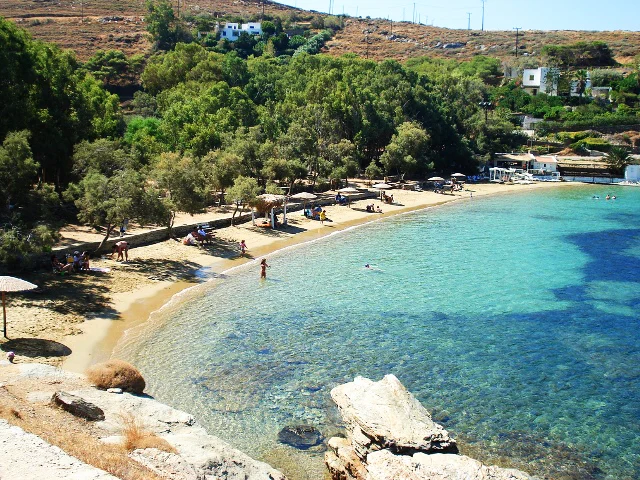
Gialiskari: A popular sandy cove with blue-green waters and a laid-back wooden-decked beach bar.
-
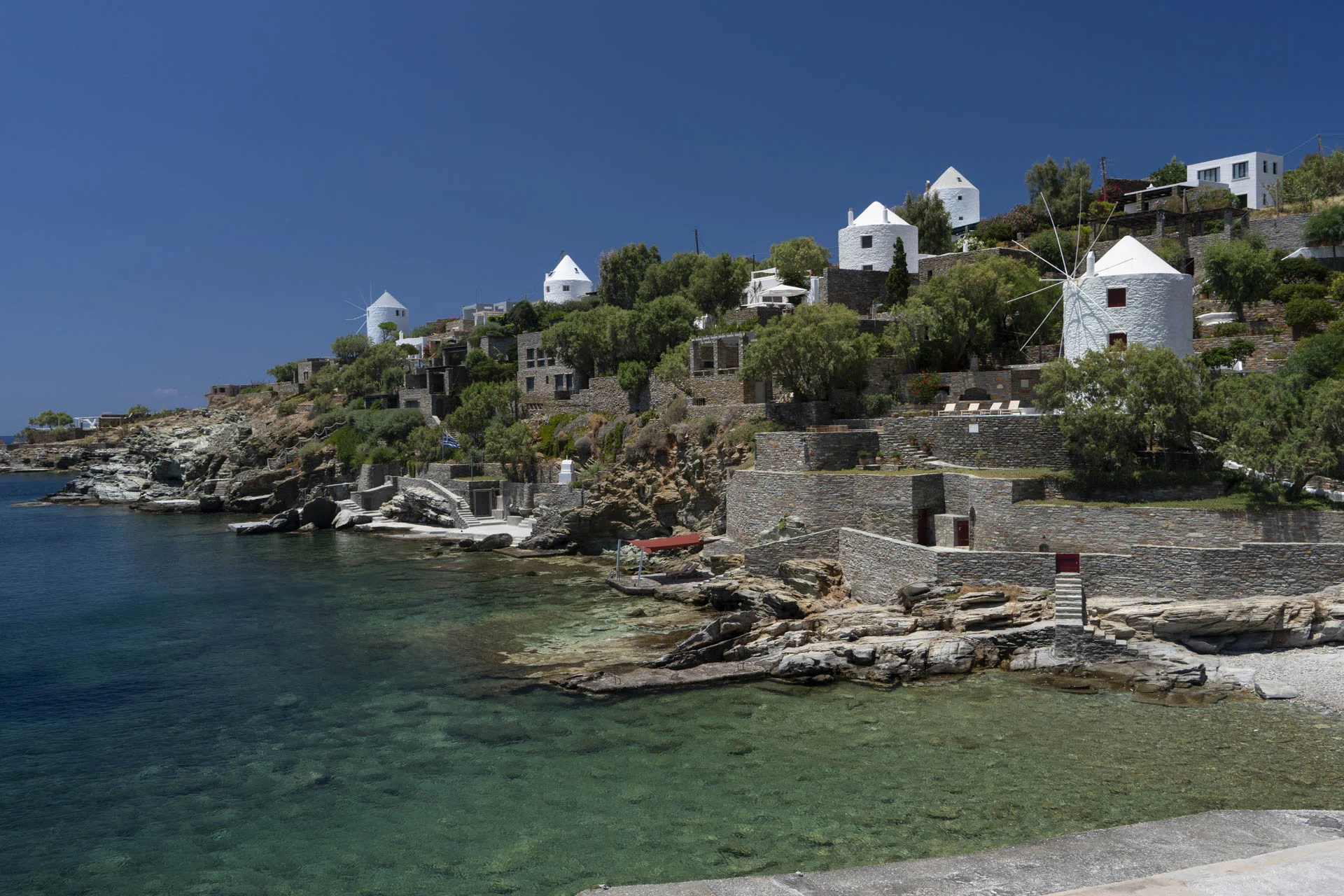
Koundouros & Koundouraki: Koundouros is famous for its restored stone windmills and family-friendly beach. Next door at Koundouraki, Kea Water Sports offers SUP, wakeboarding and water activities.
-
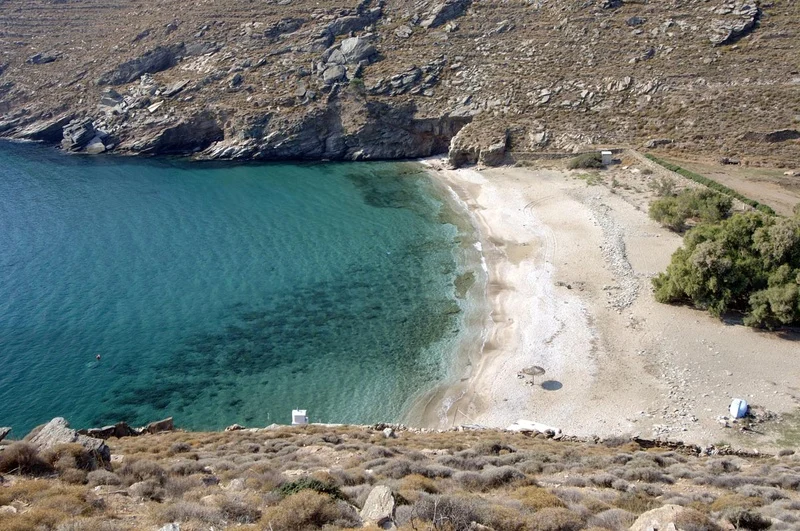
Sikamia & Kaliskia: Uncrowded paradises with natural tamarisk shade, perfect for complete tranquility.
5. Take in views at Panagia Kastriani monastery
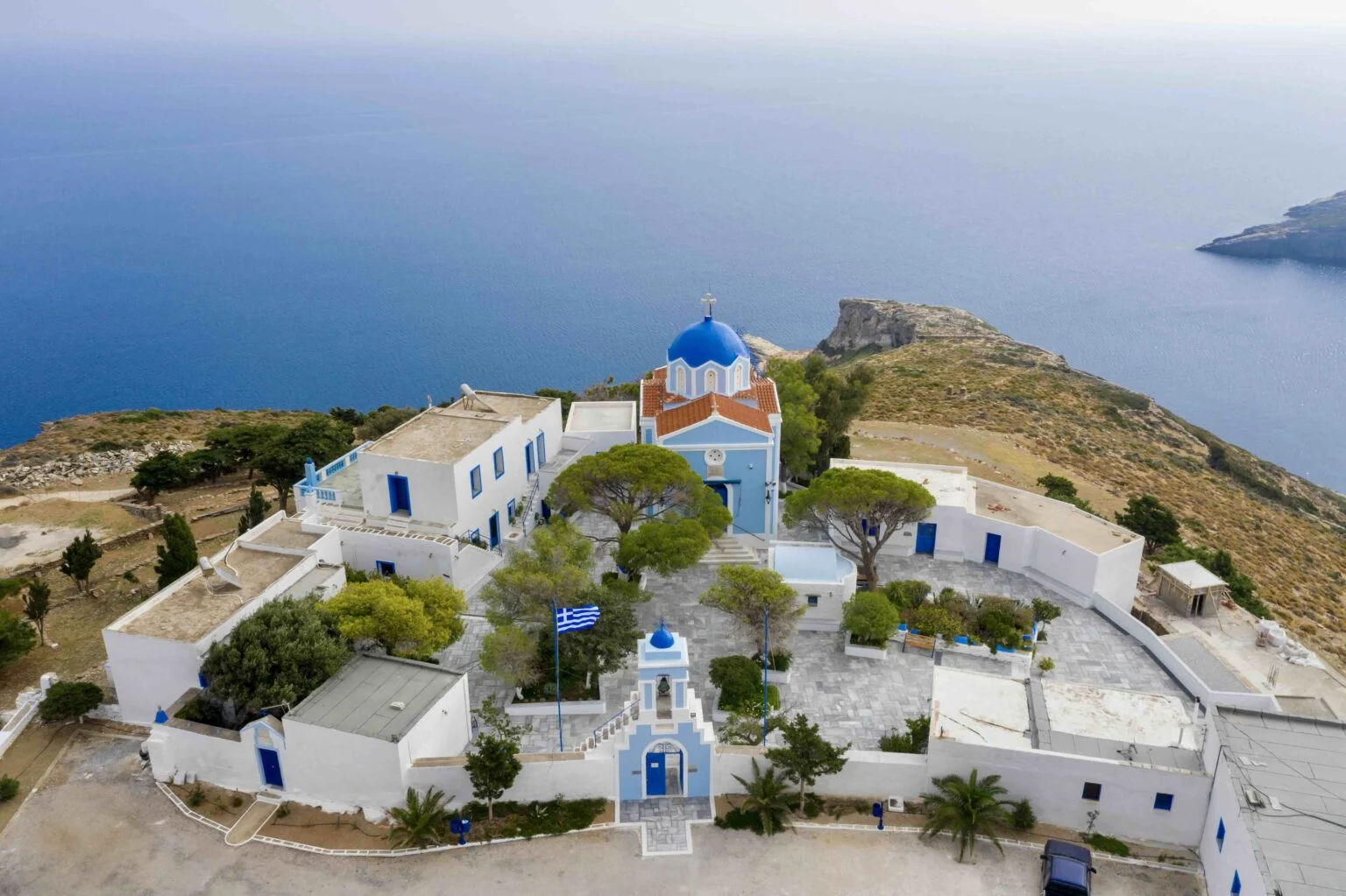
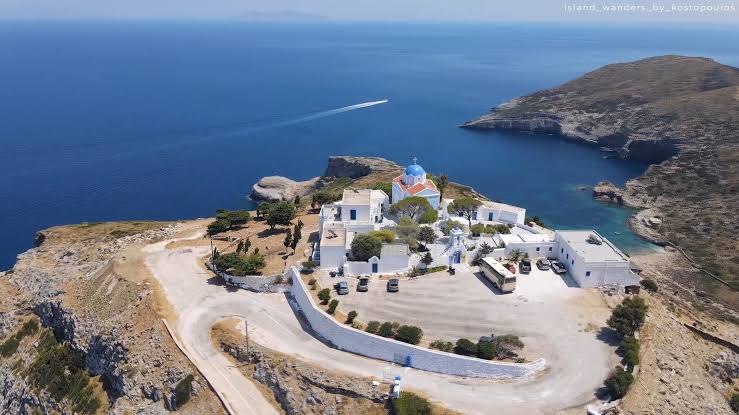
Perched dramatically atop a sheer cliff on the northern edge of the island, the white-and-blue Monastery of Panagia Kastriani (dating back to 1700 AD) offers sweeping, panoramic views of the deep Aegean Sea.
Local Gastronomy & Where to Eat
Kea’s culinary culture is deeply rooted in local farming, heritage and marine flavors:
-
Local Flavors to Try:
-
Loza: The “prosciutto of the Cyclades”: salt-cured, spiced and sun-dried pork cutlet.
-
Paspalas: Slow-cooked pork morsels fried with tomatoes, eggs and local cheese.
-
Artisanal Cheeses: Look for Xerotyri (hard dry cheese), Ksino (soft tangy cheese), and Kopanisti.
-
Kean Honey & Acorn Treats: Rich thyme honey and unique cookies made from local oak acorn flour (pick some up at Red Tractor Farm).
-
-
Tavernas & Dining Highlights:
-
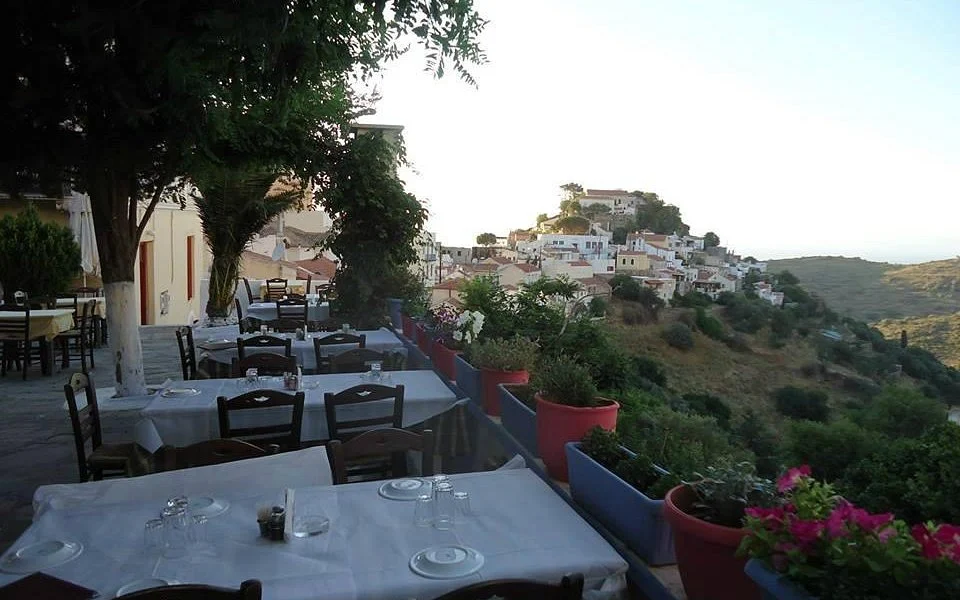
Ton Kalofagadon (Ioulida): A legendary grill house set under shady trees in the main square, known for local meats and traditional specialties.
-
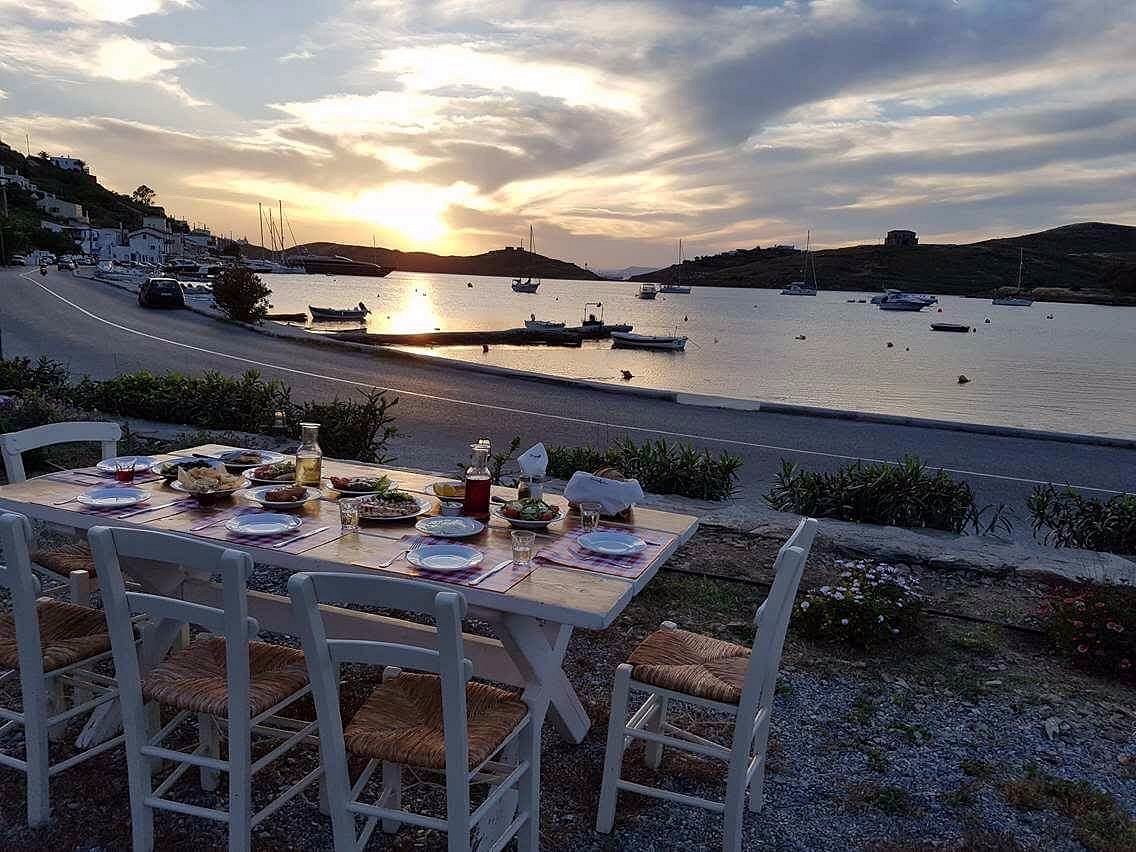
Aristos & Vourkarion (Vourkari): Popular spots right along the marina for fresh fish, saganaki and lobster spaghetti.
-
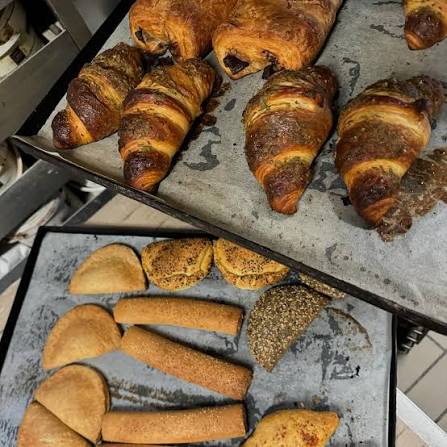
Tsourtis Bakery (Korissia): A historic wood-fired port bakery ideal for morning cheese pies (tyropita) and freshly baked bougatsa.
-
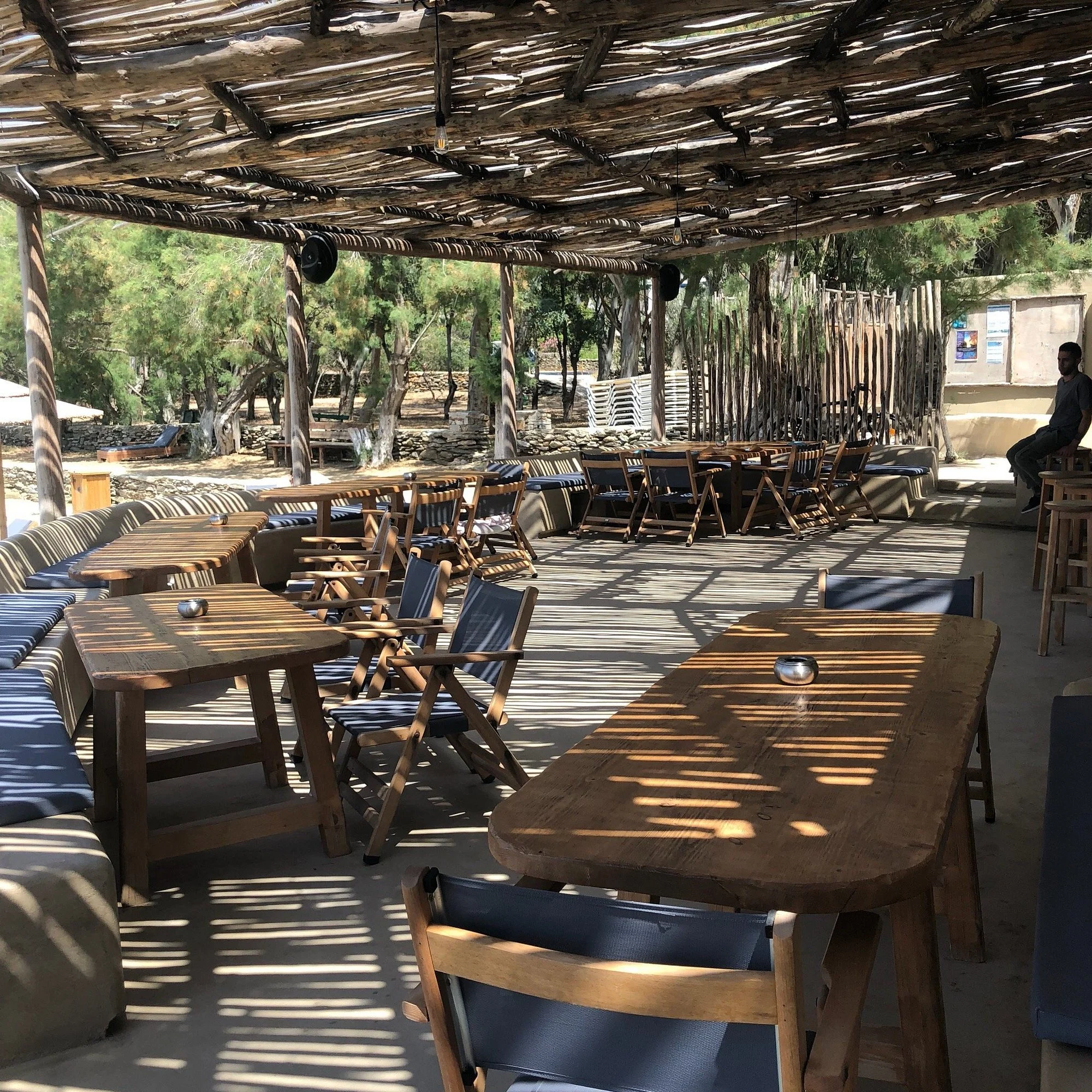
Bond Beach Club & Eora: Modern, upscale options for beachfront dining and chilled cocktails.
-
Where to stay: from earthy retreats to high luxury
Kea offers accommodation styles for every traveler:
-
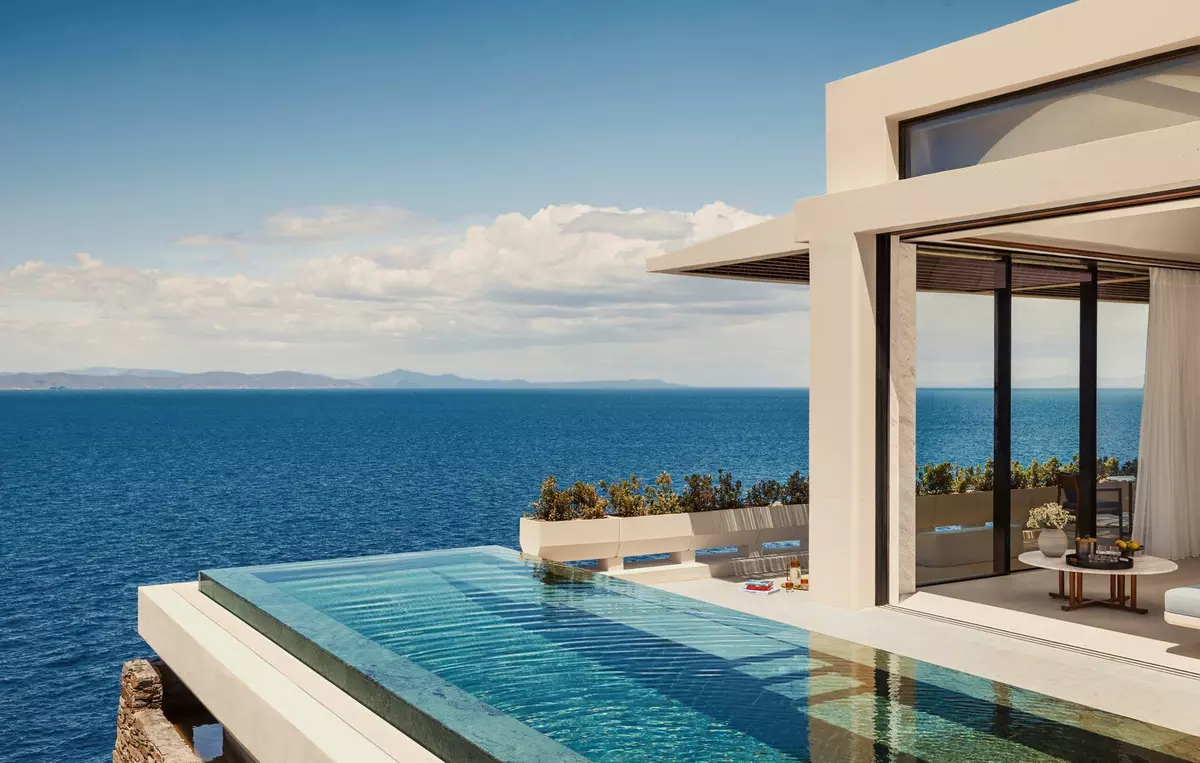
Ultra-luxury -> One&Only Kéa Island : A world-class all-villa resort set above a secluded beach, featuring private infinity pools, a cliffside spa and a chic beach club.
-
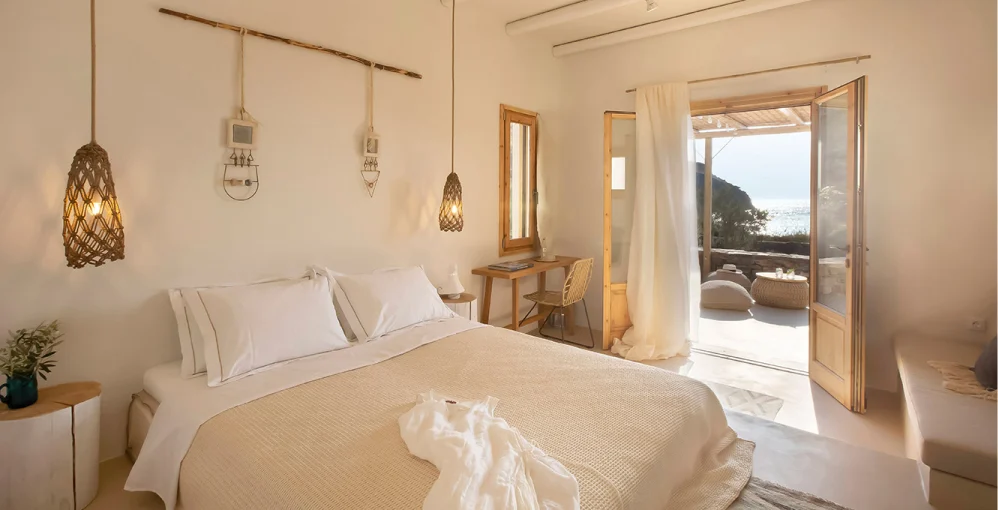
Wellness & Mindfulness -> Kea Retreat: An eco-friendly sanctuary hidden in a private bay, focusing on yoga, farm-to-table dining and holistic renewal.
-
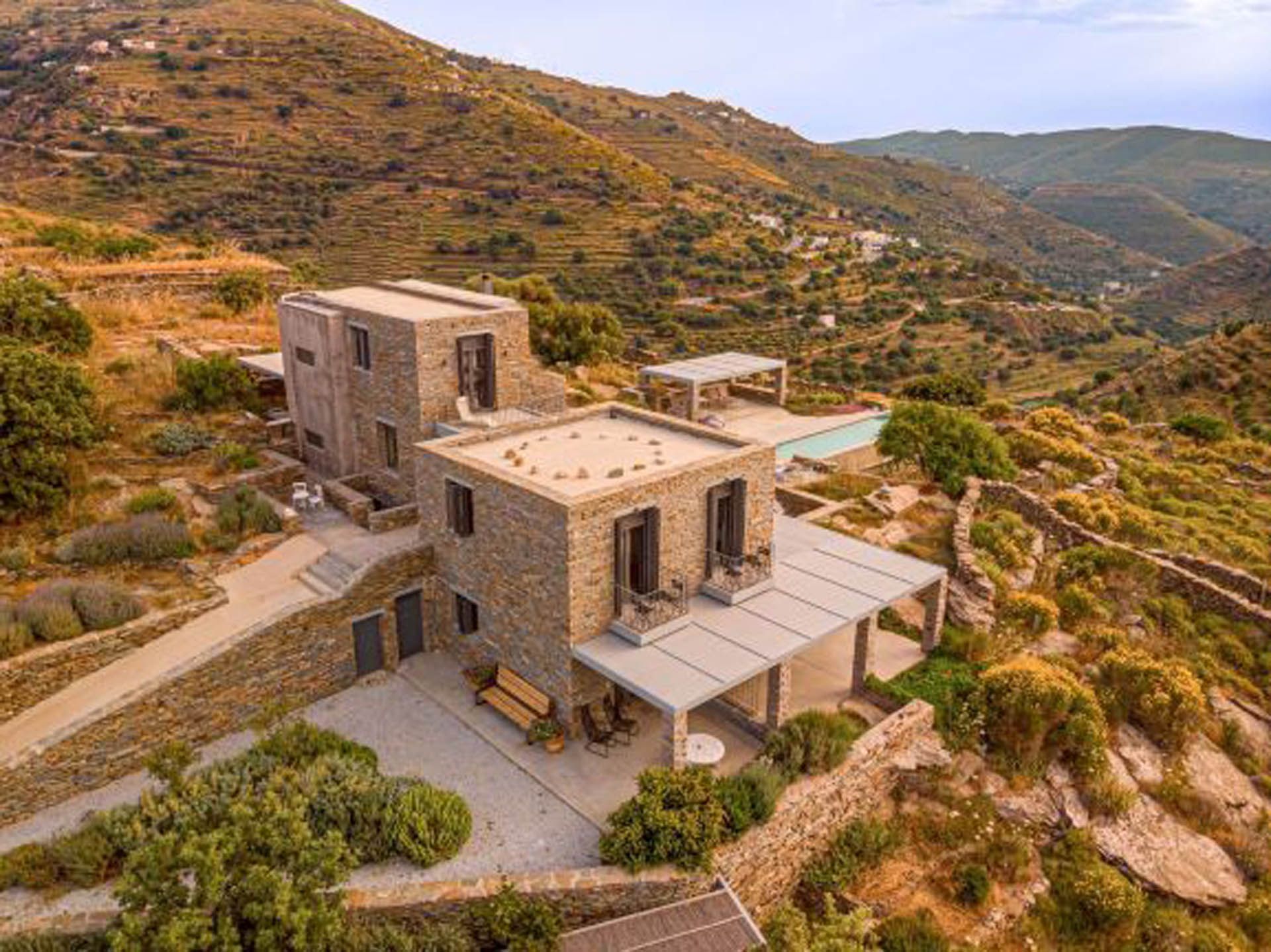
Boutique & Farm Stays -> Agrikea Farm Stay Hotel or Porto Kea Suites near the port for easy access and classic Cycladic hospitality.
Travel Logistics & Insider Tips
Getting There
Unlike most Cycladic ferries departing from Piraeus, boats to Kea depart from Port of Lavrio on the southern tip of Attica.
-
Ferry Duration: Only 1 hour.
-
Reaching Lavrio Port: About 30 minutes by taxi from Athens International Airport (ATH), or 60–90 minutes from central Athens.
Getting Around
While local buses link Korissia, Ioulida, and a few popular spots, renting a 4×4 or SUV is strongly recommended. Many of Kea’s most magical secret beaches and trailheads are located at the end of dirt roads.
Best Time to Visit
-
May to June & September to October: The absolute sweet spot. Great weather for hiking ancient trails, warm seas and tranquil beaches.
-
July & August: Energetic and vibrant, though weekends bring style-conscious Athenians escaping the city for quick getaways.
Frequently asked questions
How do I get to Kea (Tzia) from Athens?
Ferries to Kea leave from the port of Lavrio on the southern tip of Attica, not Piraeus, and the crossing takes about one hour. Lavrio is roughly 30 minutes by taxi from Athens International Airport or 60 to 90 minutes from central Athens.
When is the best time to visit Kea?
May to June and September to October are the sweet spot, with great weather for hiking the ancient trails, warm seas and quiet beaches. July and August are lively, and weekends bring Athenians escaping the city.
Do I need a car on Kea?
Local buses link Korissia, Ioulida and a few popular spots, but renting a 4×4 or SUV is strongly recommended because many of the island’s best beaches and trailheads sit at the end of dirt roads. Ioulida itself is completely car-free.
What are the best things to do on Kea?
Wander the car-free capital Ioulida and visit the ancient stone Lion of Kea, hike to the ruins of ancient Karthaia and swim beneath its Doric columns, enjoy harbour life in Vourkari and Korissia, relax on beaches such as Xyla, Gialiskari, Koundouros and Sikamia, and take in the views from the cliff-top monastery of Panagia Kastriani.
What local food should I try on Kea?
Loza, the salt-cured and sun-dried pork known as the prosciutto of the Cyclades, paspalas (slow-cooked pork with tomatoes, eggs and cheese), local cheeses such as xerotyri, ksino and kopanisti, thyme honey and cookies made with acorn flour.
Was this useful?