In the vast blue tapestry of the Dodecanese, suspended between the titans of Rhodes and Crete, lies a jagged, wind-swept spine of rock that seems to exist in a different century altogether. Karpathos is not just an island, it feels more like a time capsule. And that’s exactly how I felt when I went there.
While much of the Mediterranean has smoothed its rough edges to accommodate the tides of modern tourism, Karpathos remains stubbornly, gloriously authentic. It is a place where mountains plunge into the sea with dramatic violence, where women still wear intricate hand-woven costumes as daily attire and where a Doric dialect, lost elsewhere for millennia, still hums through the mountain air. For the Greece enthusiast, Karpathos is the “Final Frontier”, the last bastion of a vanishing world.
The fortress of tradition: Olympos
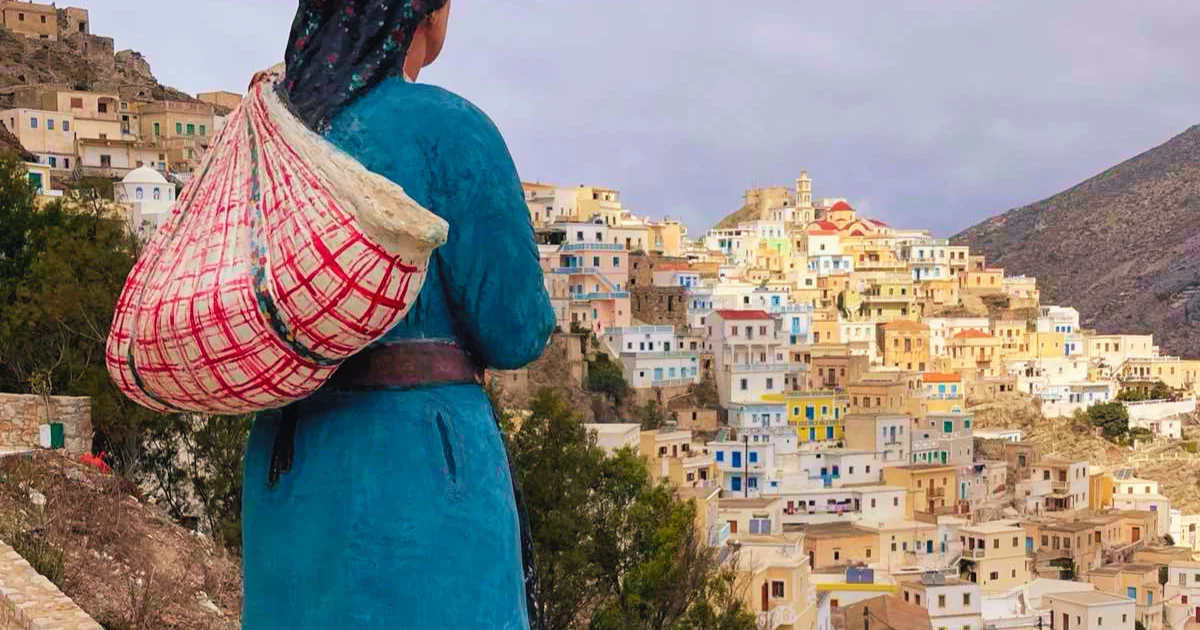
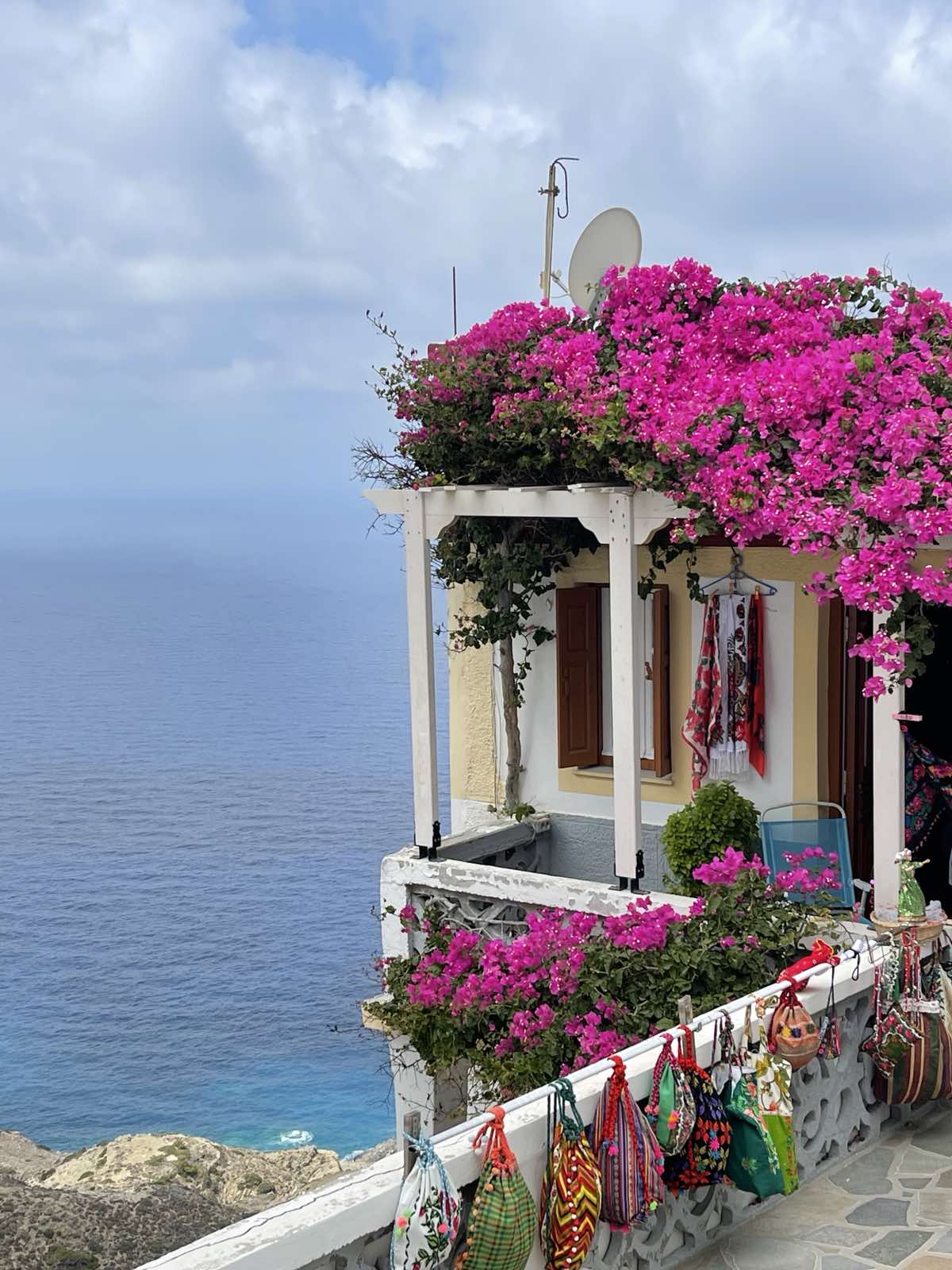
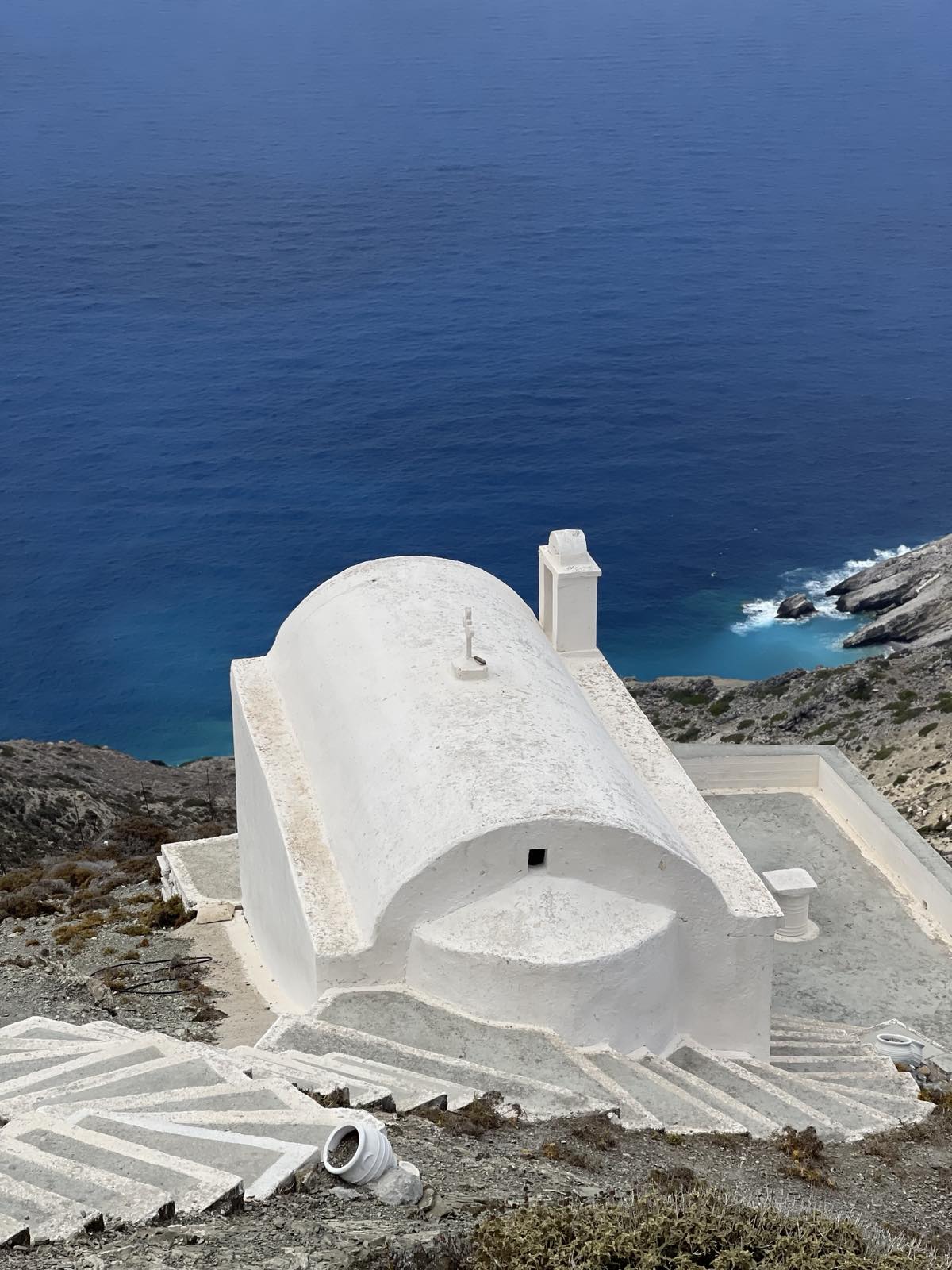
To understand why Karpathos is “the island that time refused to change,” one must travel north to the village of Olympos. Perched precariously on a mountain ridge like a crown of weathered stone, Olympos was founded in the 8th century by coastal residents fleeing pirate raids. For over a thousand years, Olympos was accessible only by sea or by treacherous mule paths. This isolation acted as a cultural preservative. Even today, in 2026, as the village gains recognition as a “living folklore museum,” the traditions remain lived-in rather than performed.
The matriarchal echo
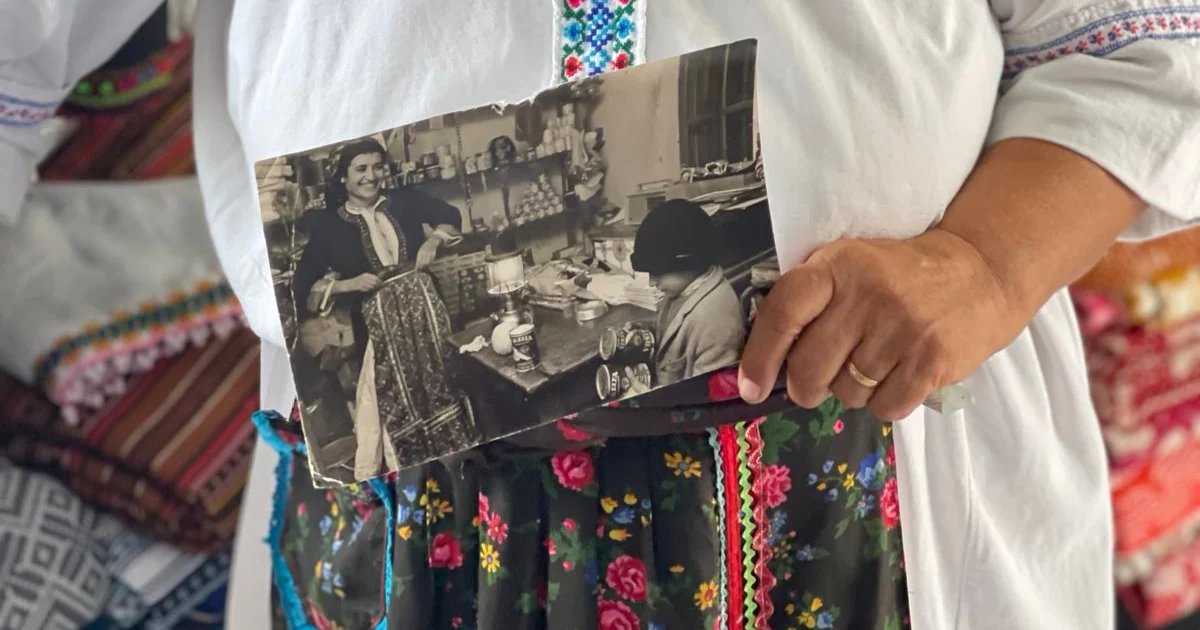
One of the most striking aspects of Olympos is its social structure. Historically, because the men of Karpathos were often away, first as sailors, then as migrant workers in America, the women became the anchors of society.
- Inheritance: In a tradition unique in Greece, the first-born daughter (kanakaria) traditionally inherited the family home and property, ensuring the female line remained grounded in the land.
- The цostume: You will see women of all ages wearing the kavai (a dark, embroidered overcoat) and the mandila (headscarf). On feast days, these are swapped for breathtaking versions adorned with double rows of gold coins (kolaina), representing the family’s wealth and history.
A symphony of sound: the Karpathian lyra
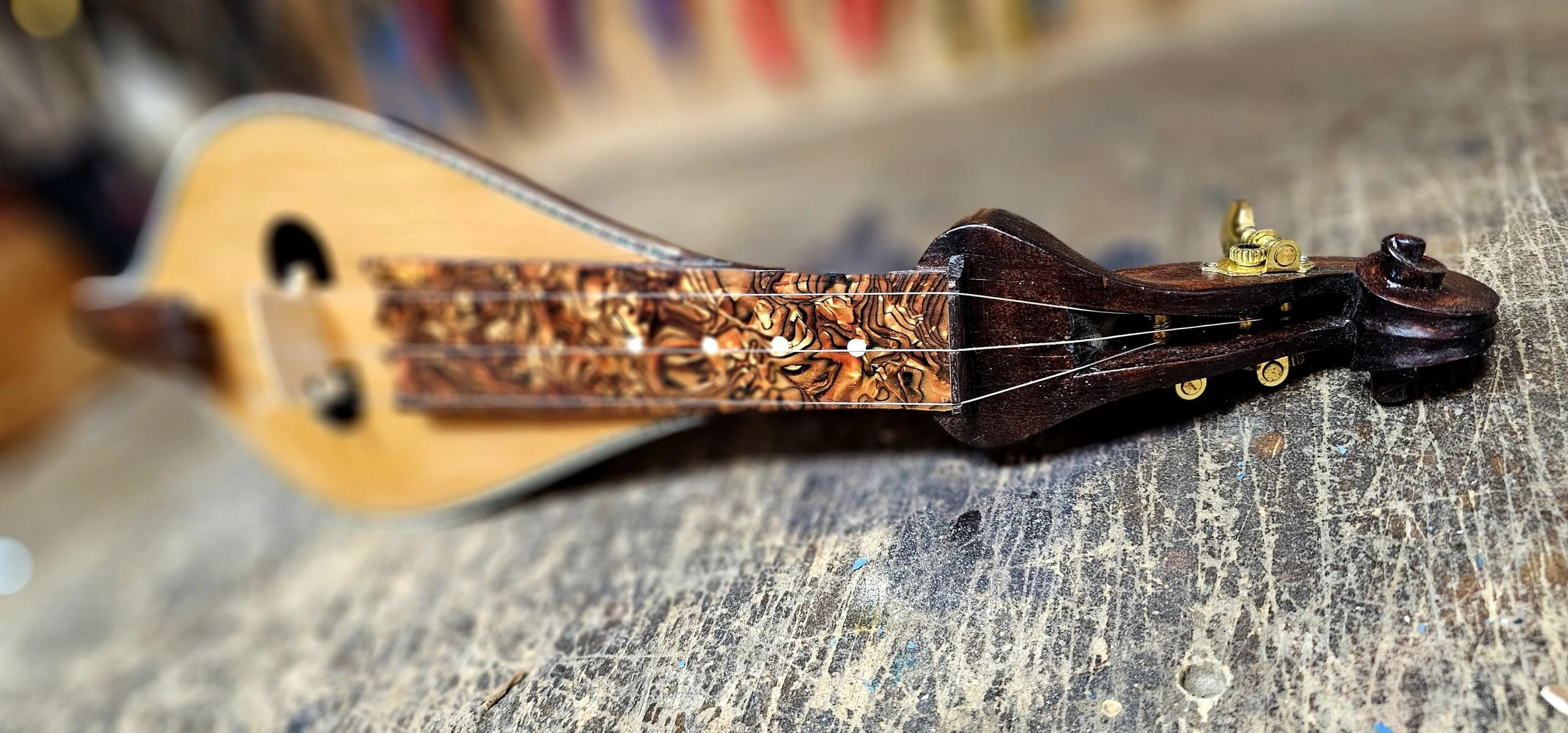
In most parts of Greece, the bouzouki reigns supreme. In Karpathos, the soul of the island is expressed through the Karpathian Lyra, a three-stringed instrument played with a bow adorned with small bells (gerakokoudouna). The music of Karpathos isn’t just for entertainment, it is a communal dialogue. During a glendi (feast), musicians engage in Mantinades, impromptu rhyming verses that can last for hours. These verses are often clever, biting or deeply moving, covering everything from local politics to the pain of emigration (xenitia). To sit in a village square in Mesochori or Aperi and hear the bells of the lyra bow chiming against the mountain wind is to hear the heartbeat of the ancient Aegean.
The wild landscape from pine to peak and the beaches of the island (especially on the south)
The geography of Karpathos is a study in contrasts. The south is a playground for the modern traveler, while the north is a rugged wilderness for the adventurer. The southern part of the island, near the capital of Pigadia, offers some of the most stunning beaches in the Mediterranean. My personal favourites are:
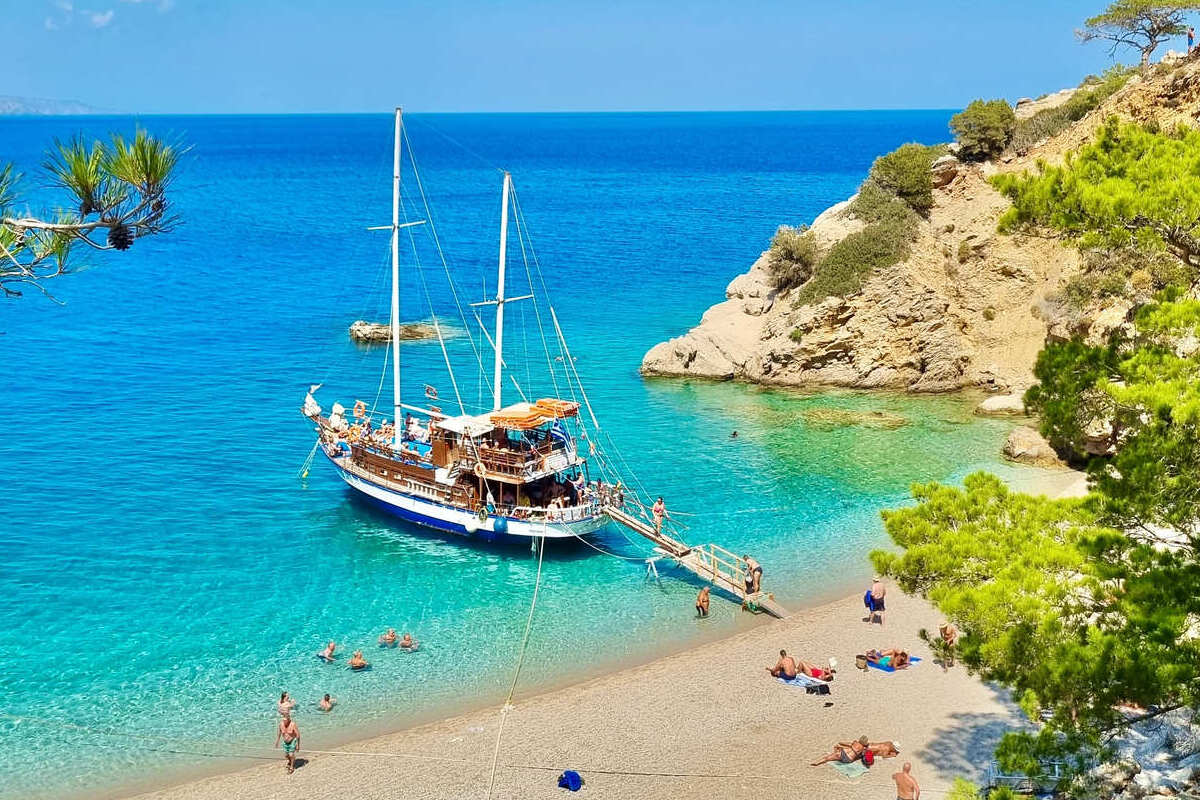
- Apella, often voted among the best beaches in Europe, is a crescent of white pebbles hugged by pine trees that grow right down to the waterline.
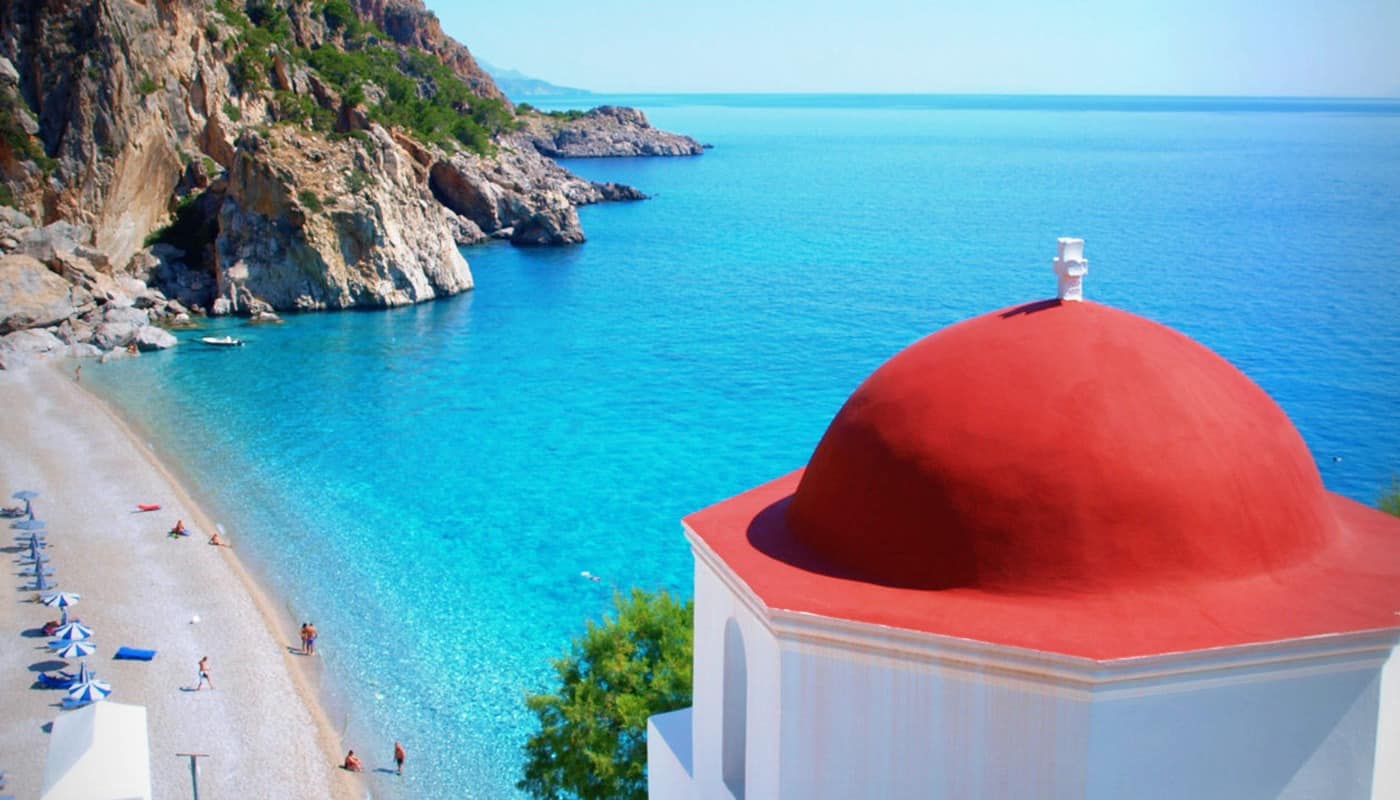
- Kyra Panagia, with its iconic red-domed church overlooking the bay, offers a cinematic beauty that feels almost too perfect to be real.
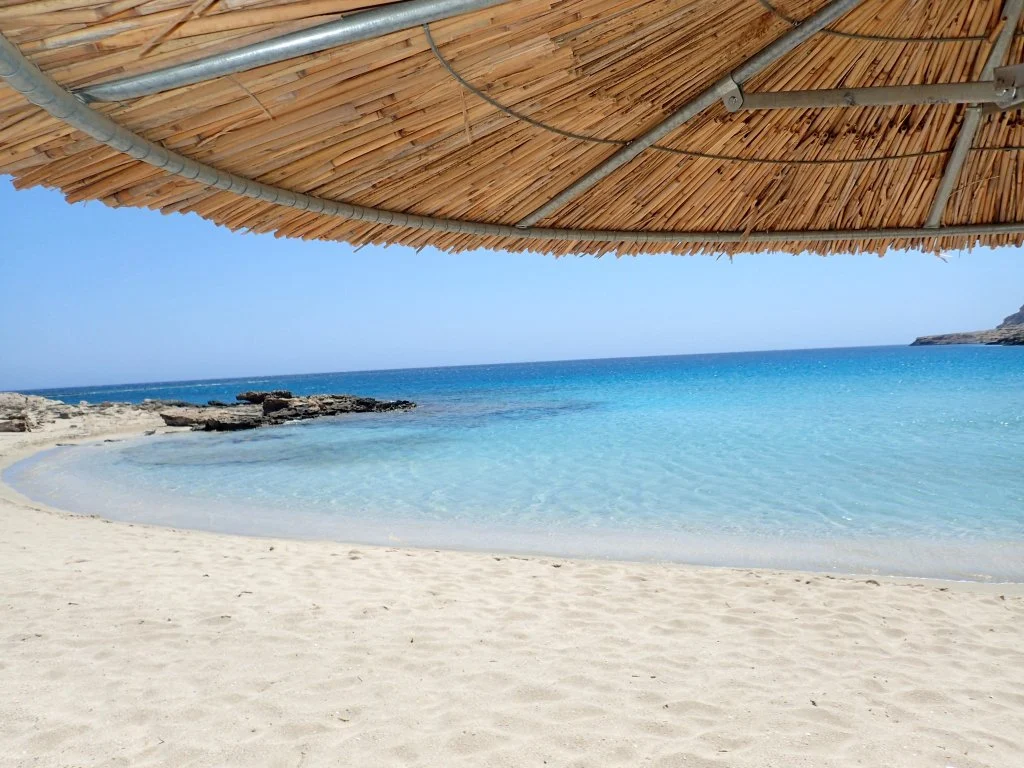
- Diakoftis beach: I have personally never seen a beach like that with such a soft sand and so blue waters, anywhere I’ve been. My absolute favourite on the island (keep in mind that the road is relatively rough to get to it, but it is totally worth it!)
The Winds of Afiartis
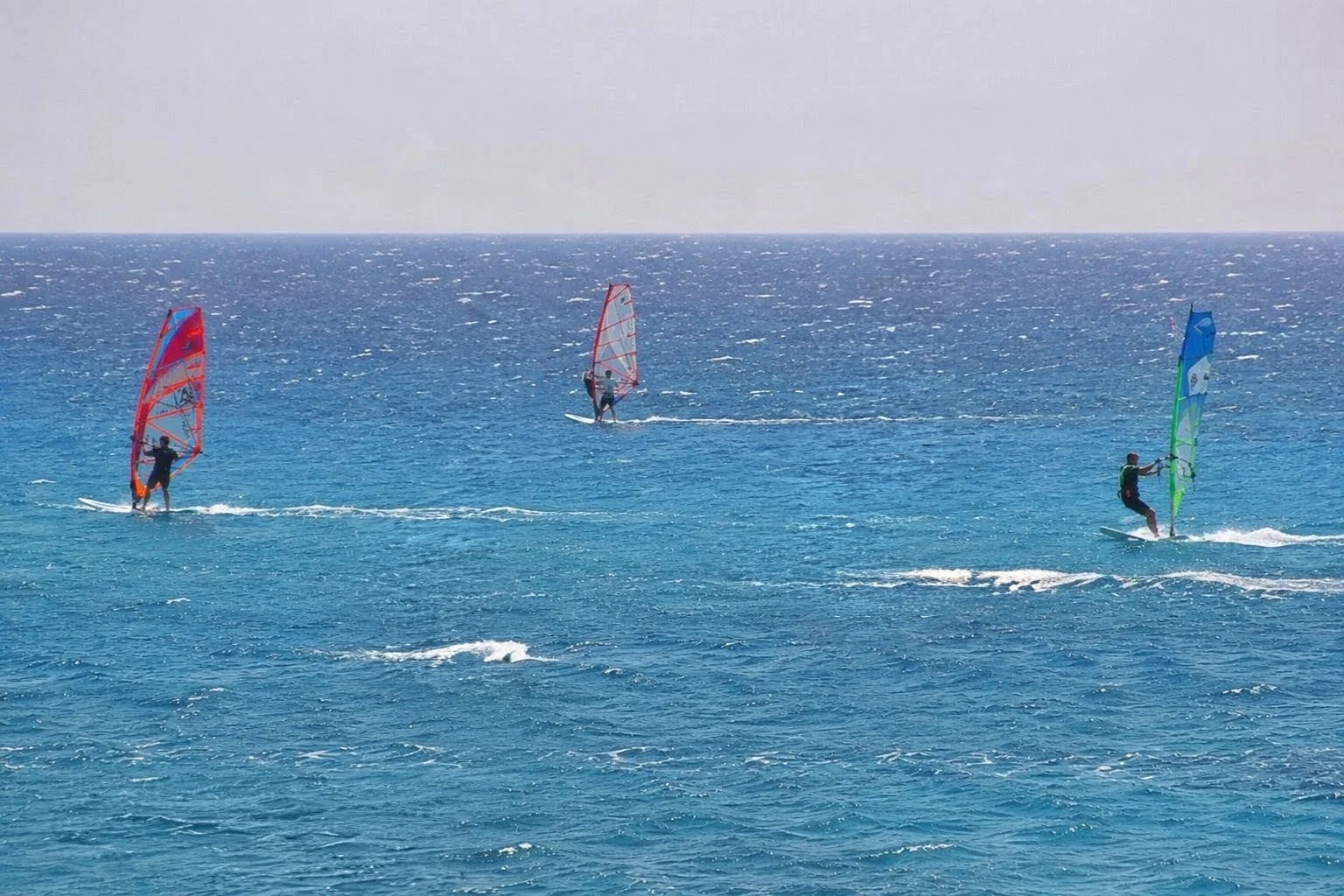
For the active enthusiast, the area of Afiartis is world-renowned for windsurfing. The unique topography of the island creates a “funnel effect” for the Meltemi winds, providing world-class conditions that attract athletes from across the globe.
Culinary Heritage: The Taste of the Earth
Karpathian cuisine is a reflection of its history, it is rugged, resourceful and deeply flavorful.
- Makarounes: The island’s signature dish. These are hand-rolled pasta shells, traditionally sautéed with caramelized onions and a mountain of grated sitaka (a creamy, slightly tart local goat cheese).

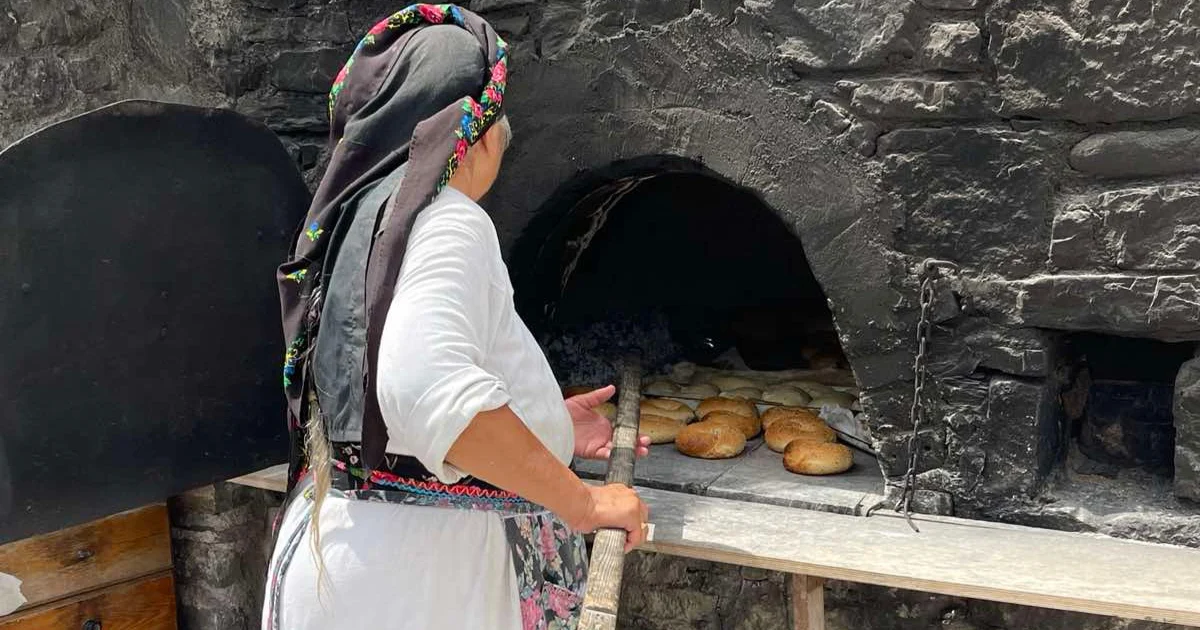
- The communal ovens: In Olympos, you will still see the communal outdoor wood-fired ovens being lit. Women bring their loaves of bread and pites (pies) to be baked together, a ritual that reinforces the “parea” (community) spirit.
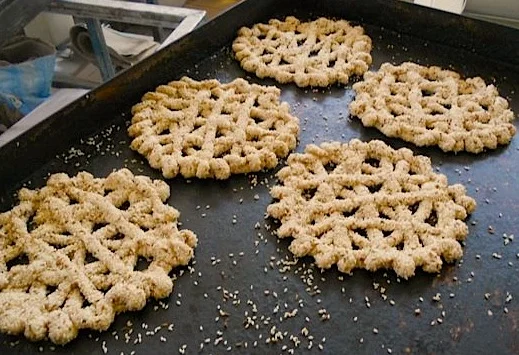
- Psilokouloura: Intricately decorated sesame rings often served at weddings, representing the craftsmanship that extends even to the breadbasket.
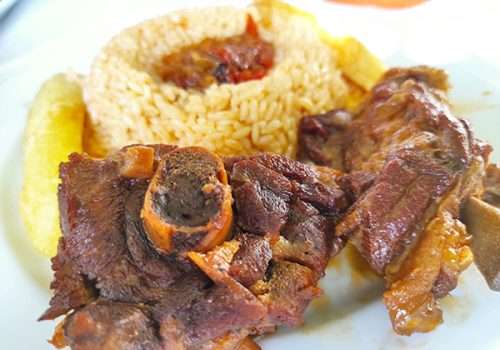
- Byzanthi (famous for Easter celebrations): a whole lamb or goat stuffed with a spiced rice-and-offal mixture, then slow-baked overnight in a mud-sealed wood oven
The 2026 Perspective: Balancing Change and Preservation
As we move through 2026, Karpathos finds itself at a crossroads. Recent features in international travel journals have labeled it one of Europe’s “hidden gems,” particularly for German and Northern European travelers seeking “slow tourism.” The challenge for Karpathos is how to welcome the world without losing its soul. So far, the island has succeeded where others have failed. Because the traditions are tied to the family structure rather than just tourism, they have a resilience that is hard to break. The “smart city” initiatives we see in Trikala or the Ellinikon feel a world away here. In Karpathos, the smartest “tech” is the ancient irrigation system of Vlona and the communal wisdom of the village elders.
Advice for the Karpathos Enthusiast
If you plan to visit this untamed jewel, remember that you are entering a living community, not a theme park.
- Respect the “quiet”: In the mountain villages, midday is for rest. Observe the quiet hours and respect them.
- Rent a 4×4: To reach the most pristine parts of the north, a standard car won’t suffice. The dirt tracks are part of the adventure.
- Learn the Mantinades: Even if you can’t rhyme in Greek, showing an interest in the music will open doors (and bottles of raki) that are usually closed to tourists.
- Visit in the “shoulder” Season: May or September allows you to witness the village life without the summer heat or the peak crowds, giving you a truer sense of the island’s rhythm.
- Keep in mind that the island is relatively big and more difficult to explore: plan more time if you wanna see it all. And be ready for a lot of driving. 🙂
Why Arkasa should be your base on the island?
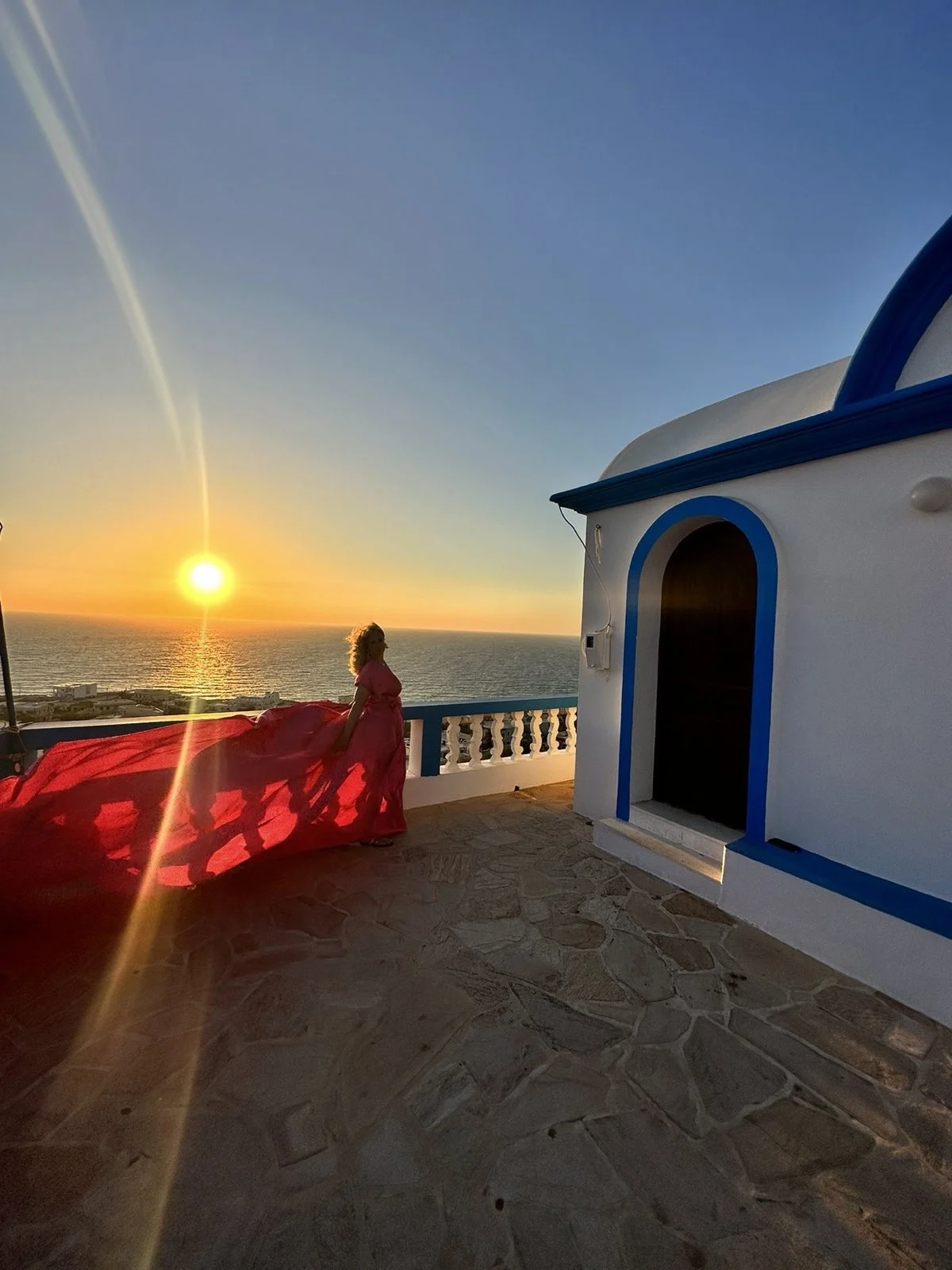
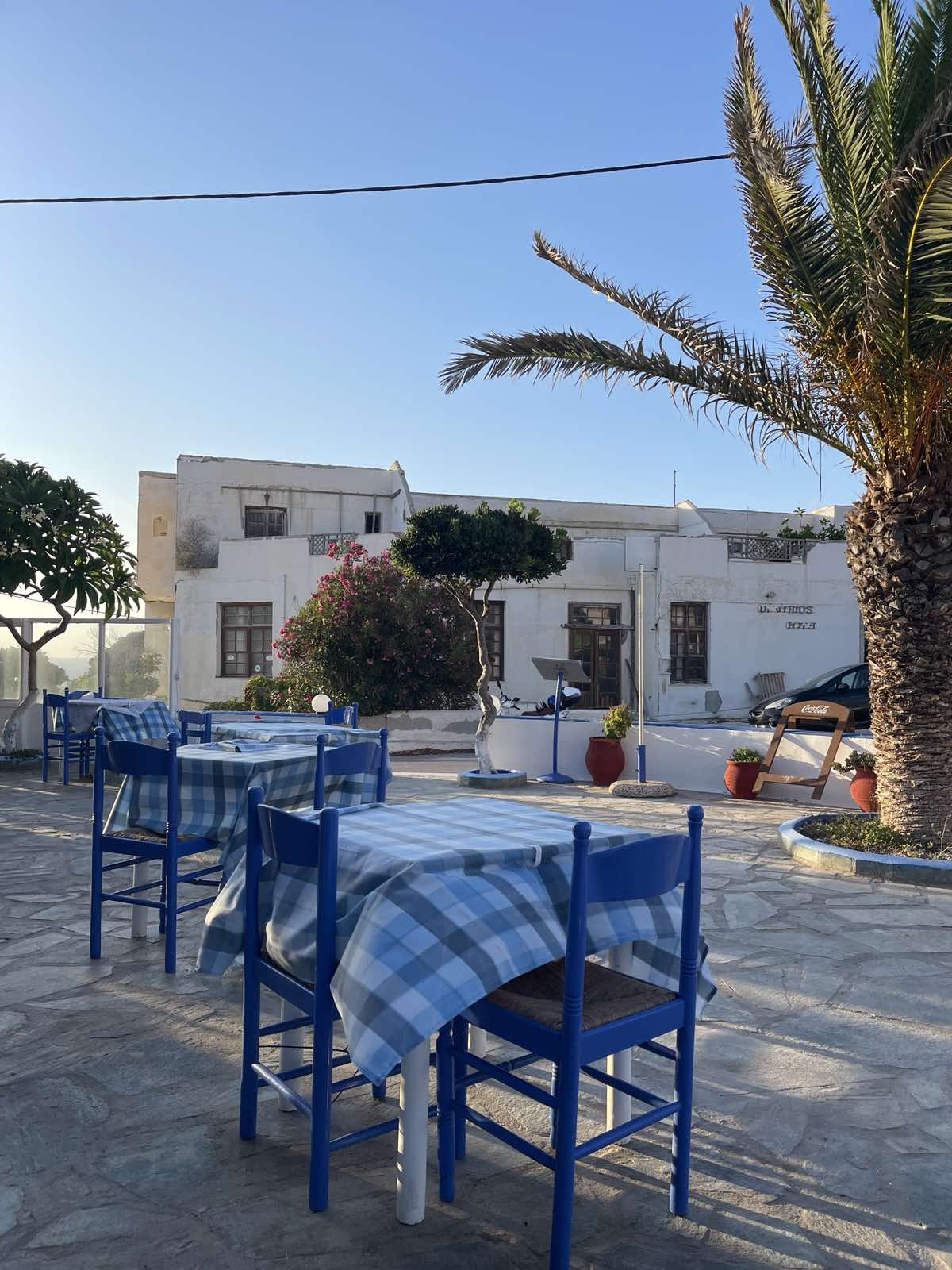
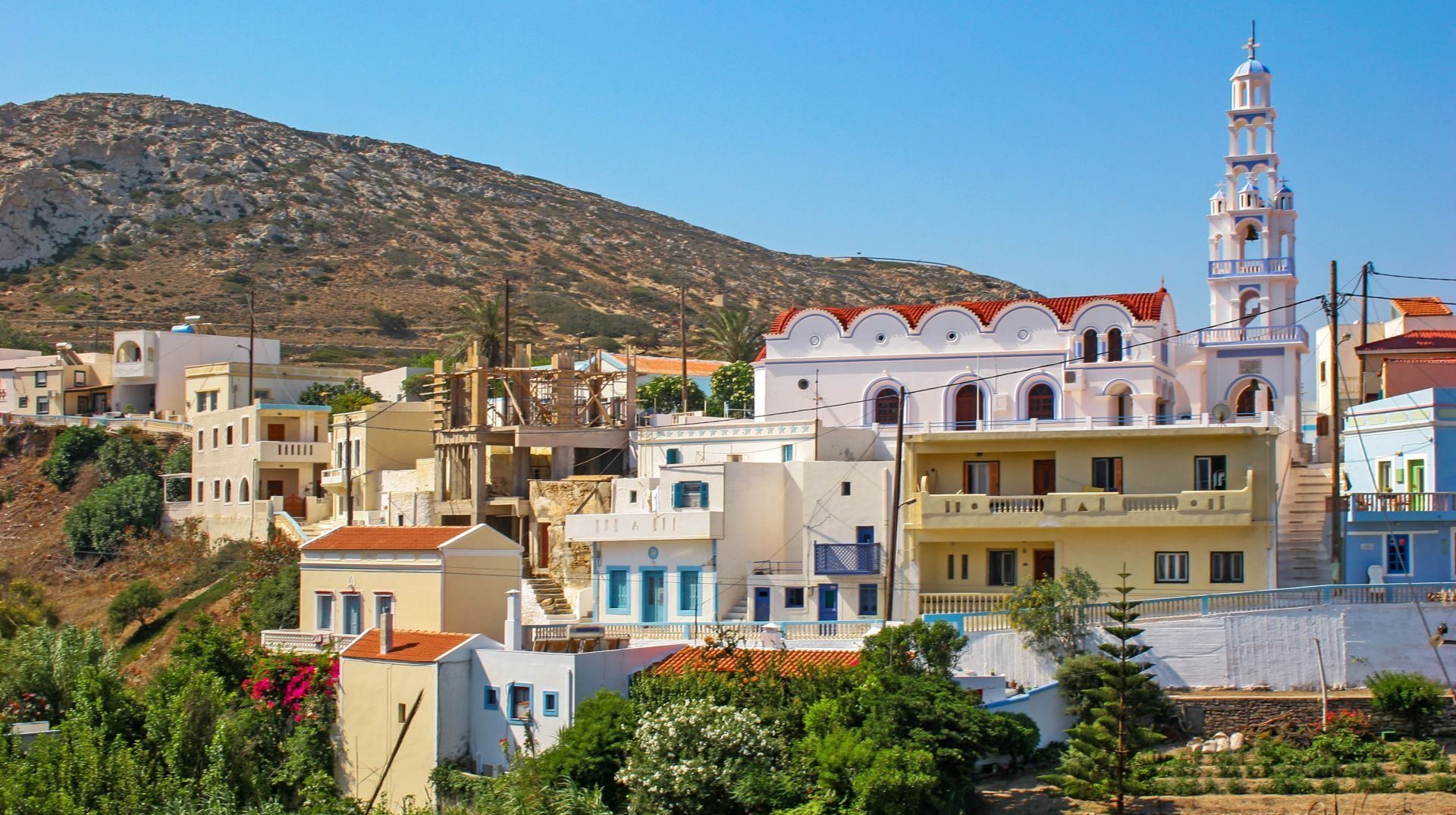
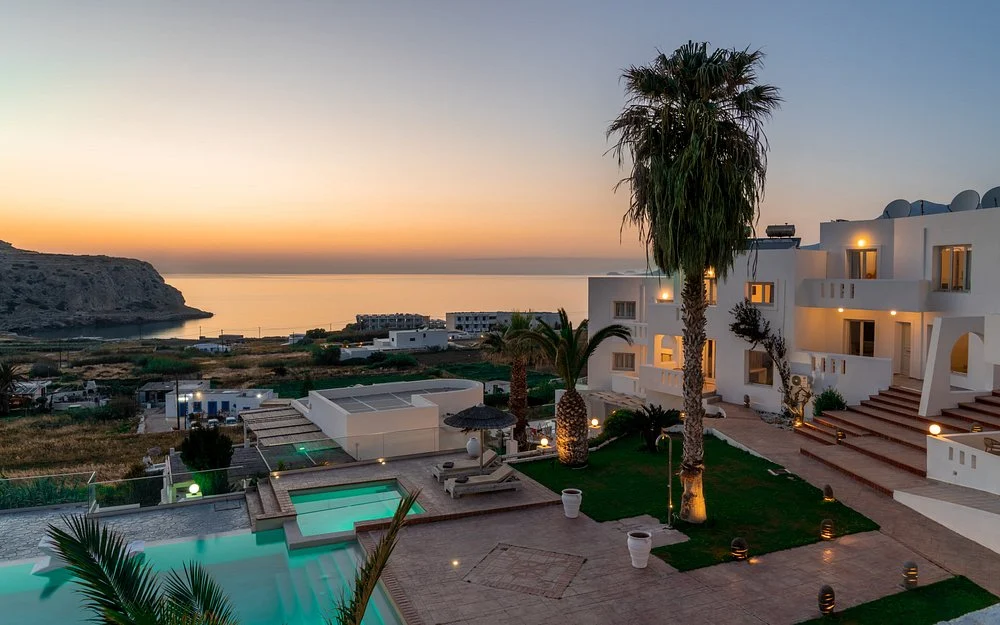
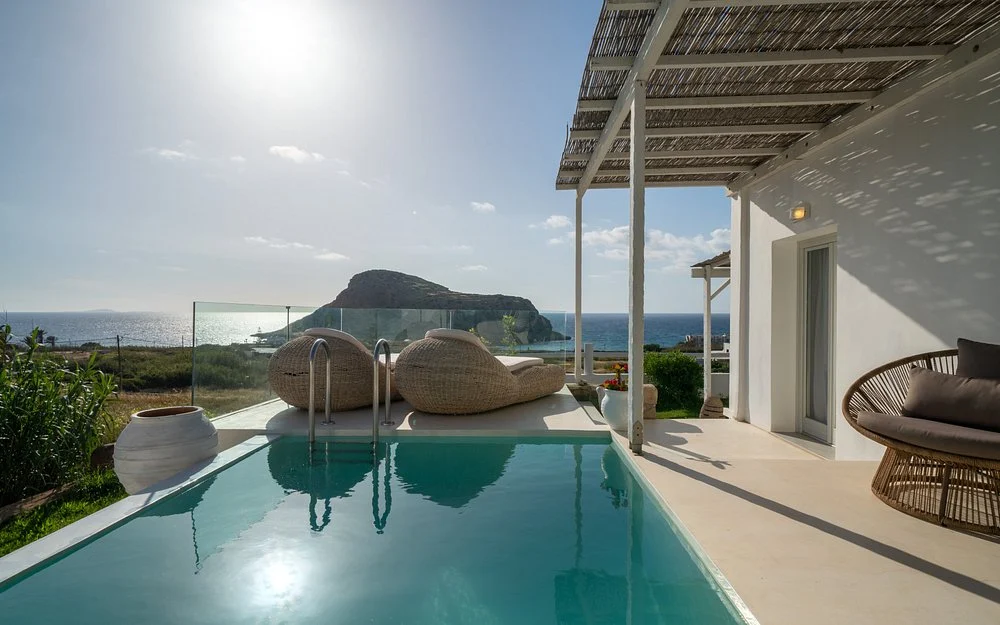
Located on the southwestern coast of Karpathos, Arkasa (also known as Arcesine) seamlessly bridges thousands of years of island history with modern coastal charm. Built amphitheatrically over rugged western hills, the village stands on the site of ancient Arkesia, one of the four principal city-states of classical Karpathos. Its dominant landmark, the rocky promontory of Palaiokastro, preserves ancient acropolis walls, Mycenaean tomb remnants, and the early Christian basilica of Agia Anastasia featuring well-preserved 5th-century mosaic floors. Beyond its archaeological appeal, Arkasa is renowned for its lively square lined with traditional tavernas, panoramic Aegean sunset views (that are so worth it, trust me), and proximity to Agios Nikolaos Beach, a golden sand bay famed for its turquoise waters and body-surfing waves. Just take a look at the photos below and you will be convinced.
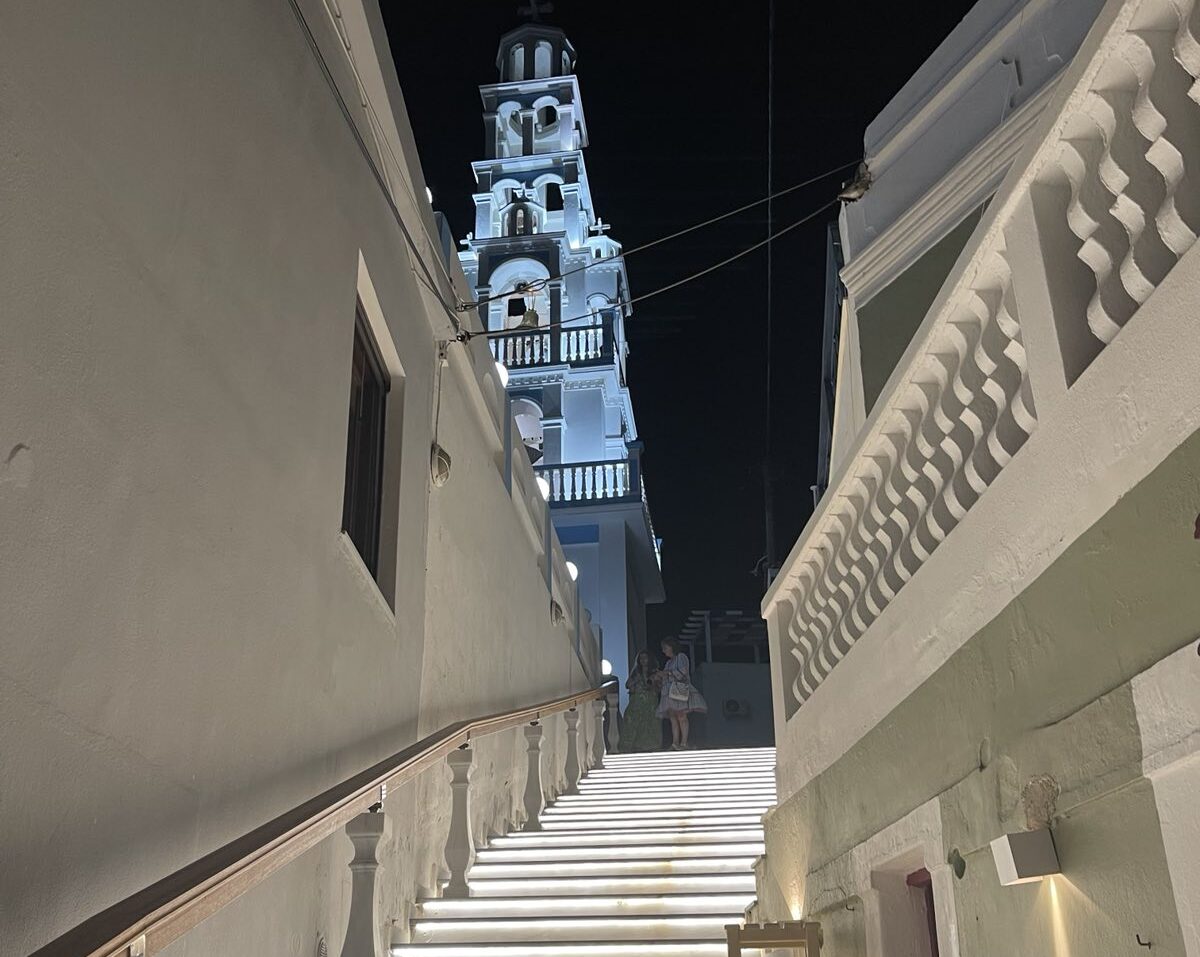
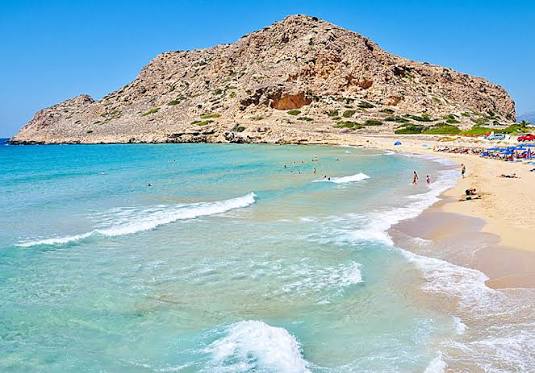
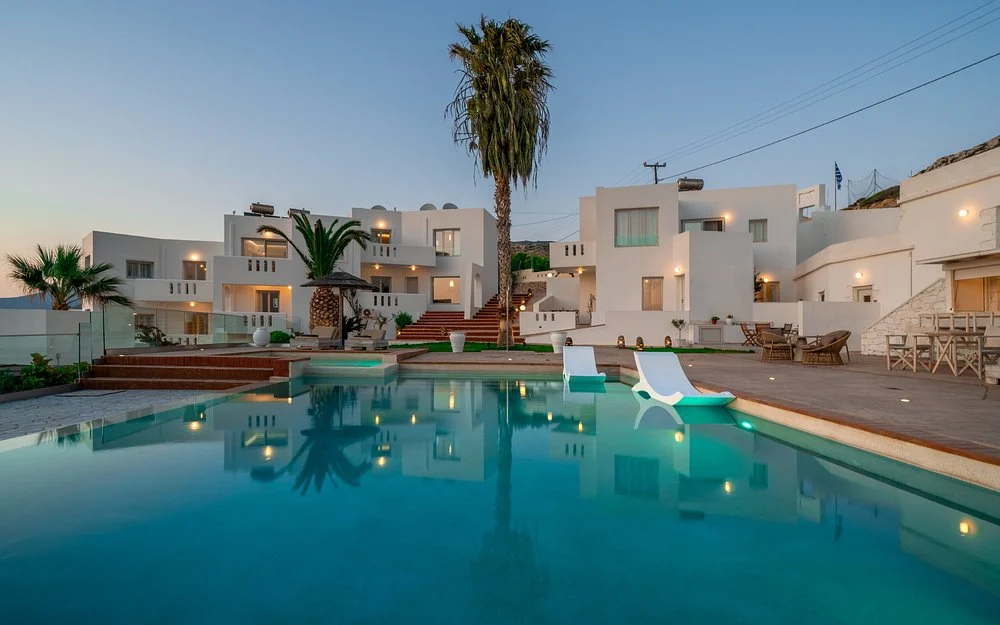
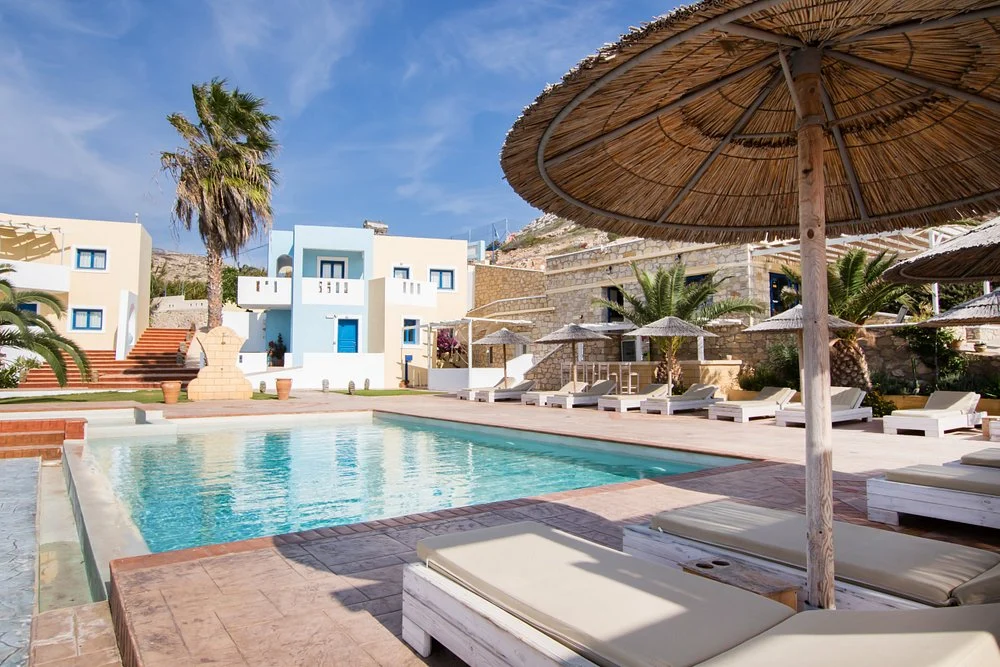
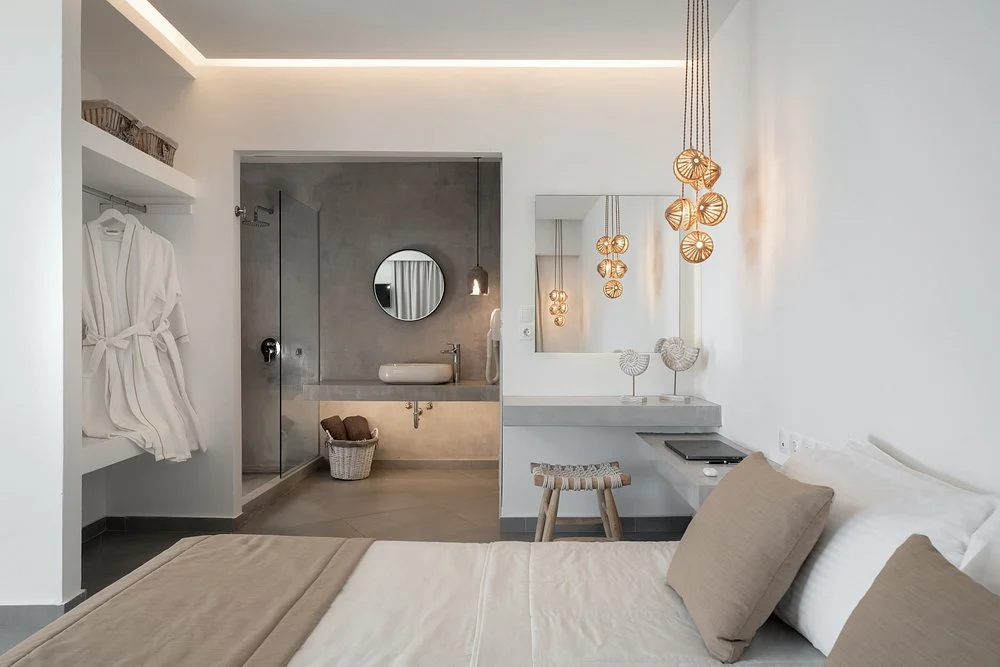
And, if you are wondering where to stay, I can personally recommend Arkasa Palace. It’s an absolute jewel in the heart of the island, offering exquisite interior, mind-blowing views, but most of all – authentic care for its guests. Maria and her family are simply adorable and will definitely make you feel special. Long after I have left this place, the memory of it is still warm. You can check out it here:
Link to the property in Booking
Final Thoughts
Karpathos is a reminder that “progress” isn’t always linear. Sometimes, the most progressive thing a culture can do is hold onto the rituals that make it human. It is an island that demands your breath, your attention and your respect. In the shadow of the Profitis Ilias mountain, as the sun dips behind the windmills of Olympos and the first notes of the lyra begin to drift through the air, you realize that time hasn’t just refused to change Karpathos, it has stood still in admiration.
Expect our detailed Karpathos guide soon!
Was this useful?