Every year in late October, Greece (and particularly the northern city of Thessaloniki) enters a period of intense national pride, spiritual devotion and festive vibe. Known locally as the “three-day celebration”, October 26th to 28th merges religious tradition, modern history and military commemoration into a single continuous festival.
While October 28th is a nationwide public holiday celebrated across all of Greece, the days leading up to it carry special significance in Thessaloniki, where historical coincidences have linked deep faith with national liberation.
October 26th: Thessaloniki’s double celebration
October 26th is a local public holiday in Thessaloniki, honoring a unique convergence of religious faith and military victory.
1. The Feast Day of Saint Demetrios (Agios Demetrios)
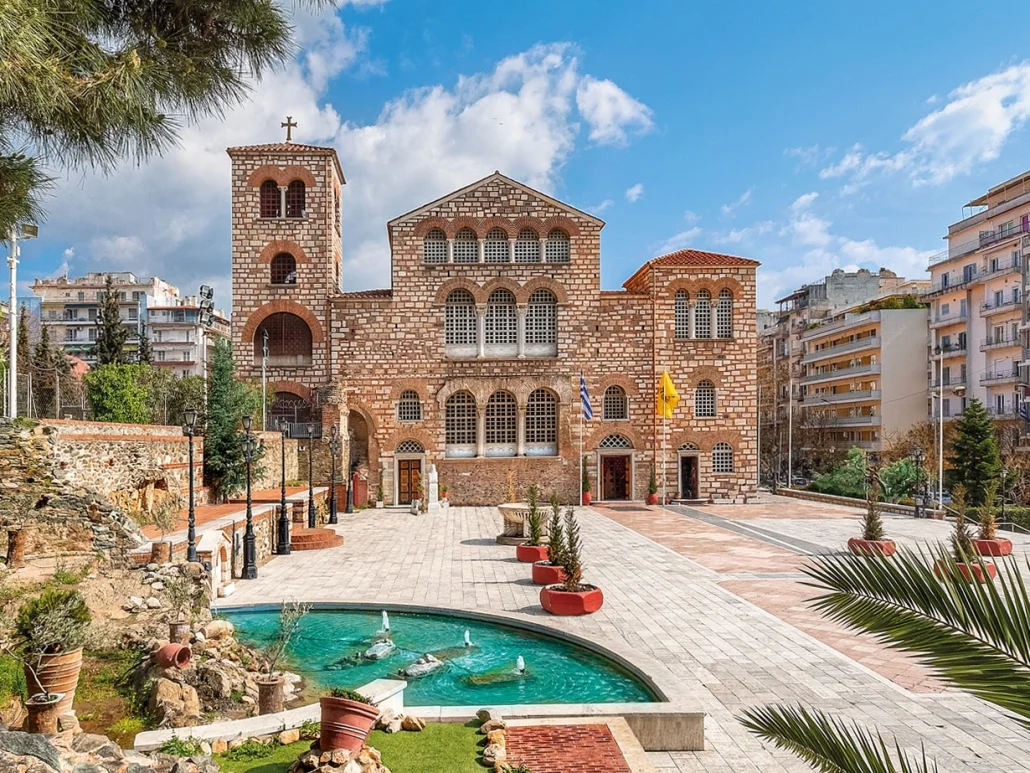
Saint Demetrios, a Roman soldier martyred in the 4th century AD for his Christian faith, is the patron saint and protector of Thessaloniki. On the morning of October 26th, a solemn Divine Liturgy takes place in the historic 5th-century Basilica of Saint Demetrios. Thousands of pilgrims gather to view the saint’s relics, and a grand procession carrying his holy icon and relics winds through the streets of the city. For locals, Saint Demetrios is deeply intertwined with the city’s identity, believed to have spiritually protected Thessaloniki through countless sieges, wars, and disasters across Byzantine and modern history.
2. The Liberation of Thessaloniki (1912)
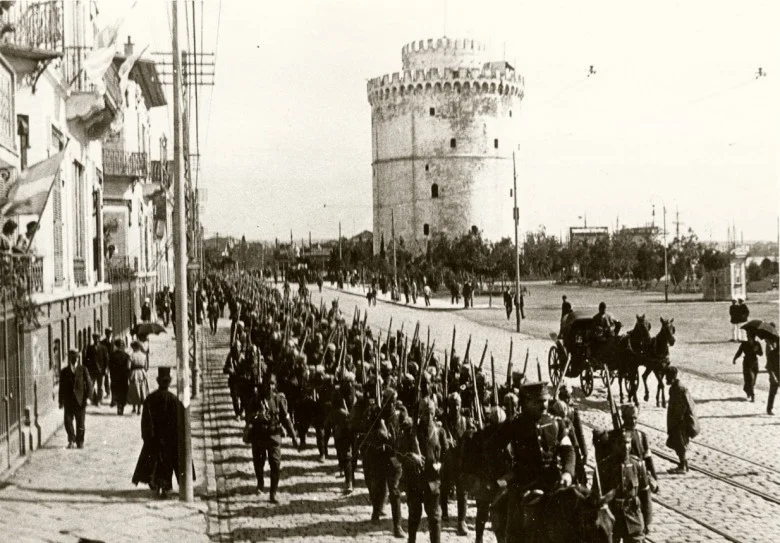
By a historic coincidence, October 26th also marks the day Thessaloniki was liberated from nearly five centuries of Ottoman rule during the First Balkan War. On October 26, 1912, the commander of the Ottoman forces, Hasan Tahsin Pasha, surrendered the city unconditionally to Crown Prince Constantine, commander of the Greek Army. Entering the city on the very feast day of its patron saint was viewed by many as a divine sign, solidifying October 26th as a landmark date for the city’s reunion with the Greek nation.
October 28th: “Ochi Day” (national holiday across Greece)
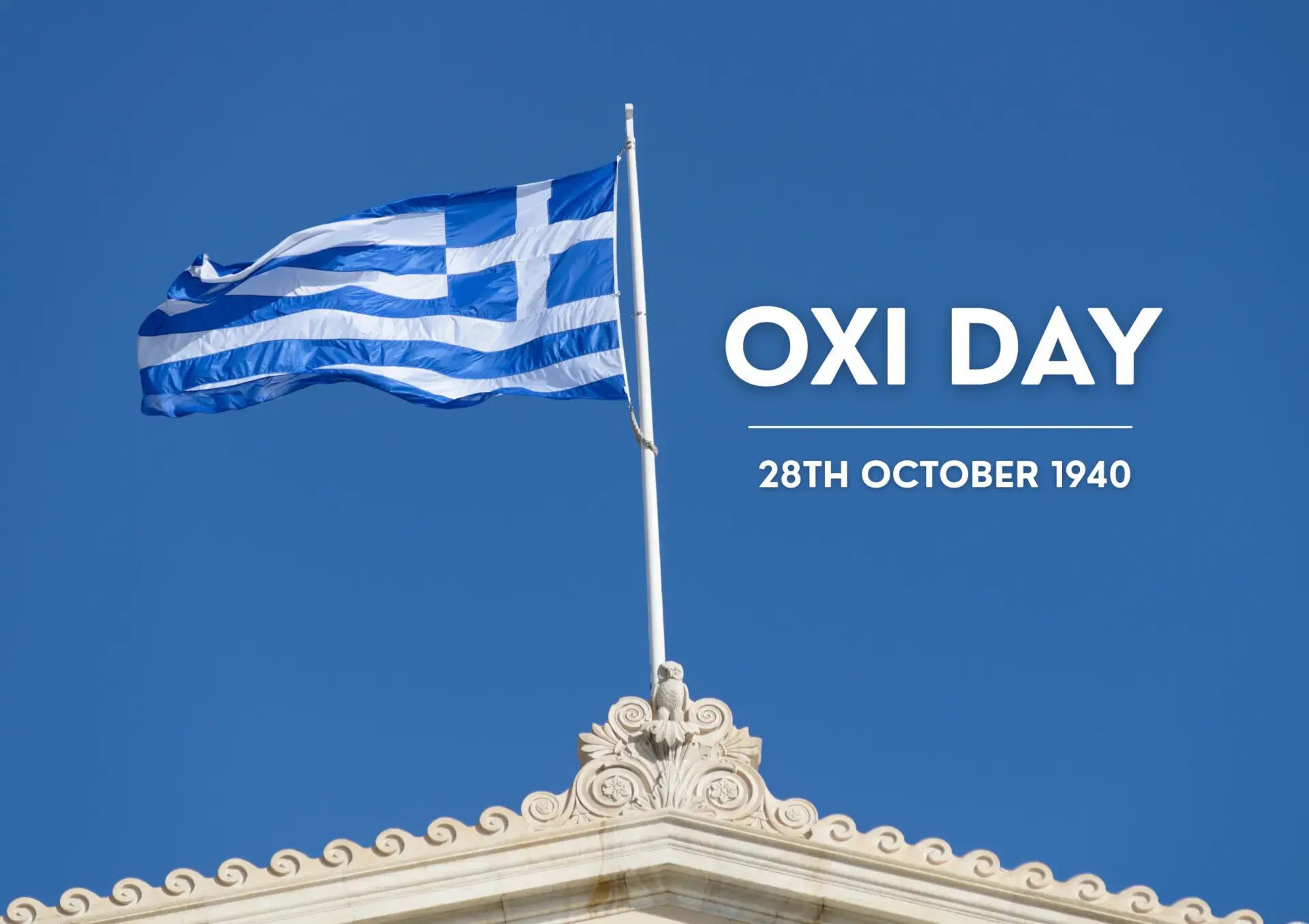
October 28th is a national holiday celebrated throughout all of Greece and Cyprus, known as Ochi Day (To Ochi), which translates to “No Day”.
The History: saying “NO” to fascism (1940)
At 3:00 a.m. on October 28, 1940, Italian dictator Benito Mussolini sent an ultimatum to Greek Prime Minister Ioannis Metaxas. Mussolini demanded that Axis forces be allowed to enter Greece and occupy key strategic locations without resistance. Metaxas famously replied in French, “Alors, c’est la guerre!” (“Then, it is war!”). The sentiment was immediately captured by the Greek press and public in a single, resolute Greek word: “Όχι” (NO). Hours later, Italian troops invaded Greece from the Albanian border. Despite being under-equipped, the Greek army successfully repelled the invasion and pushed Axis forces back, handing the Allied powers their first land victory against Fascist forces in World War II.
How Ochi Day is Celebrated
-
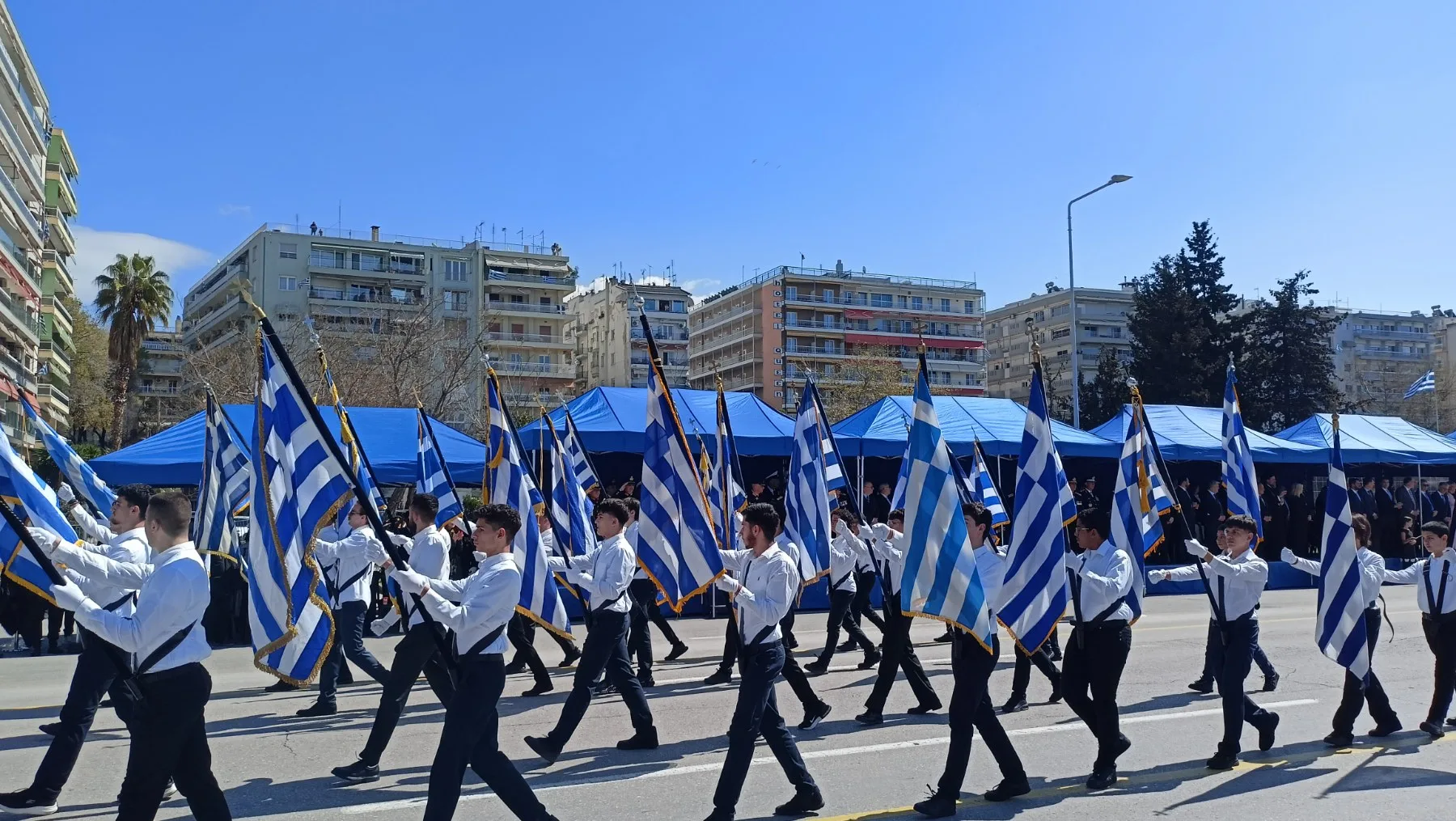
Student & military parades: Across every town in Greece, students march in celebratory parades carrying the national flag.
-
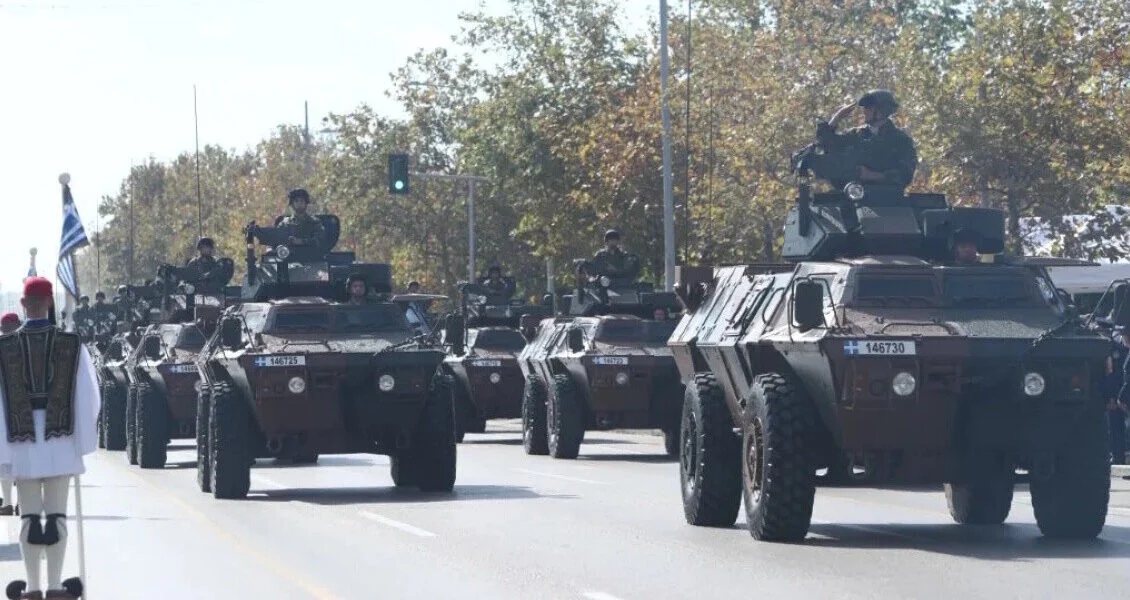
The grand military parade in Thessaloniki: Because Thessaloniki acts as the epicenter of late-October festivities, the official National Military Parade featuring the Greek Armed Forces, heavy armor and air force flyovers takes place along the city’s waterfront on October 28th, attended by the President of the Hellenic Republic and state leadership.
-
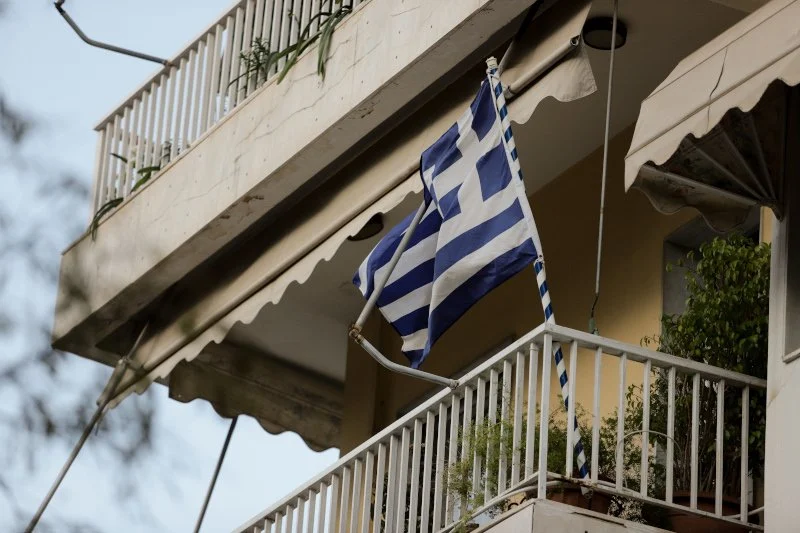
Public displays: Blue and white flags adorn balconies, public square monuments are layered with wreaths, and traditional folk dances take place across city centers.
For Greece, these days symbolize the core values of freedom, resilience and unity. For Thessaloniki in particular, October 26–28 is a festive period where faith, regional pride and national history combine into an unforgettable week-long atmosphere.
Was this useful?