
The Best Regions to Start With
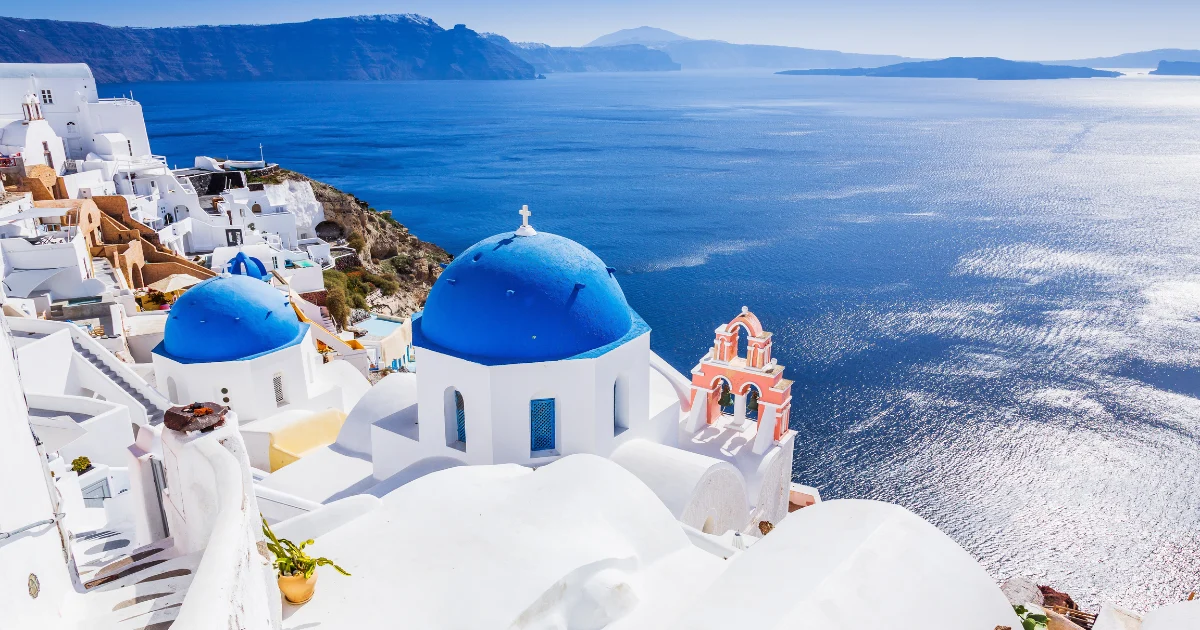
Rather than choosing islands randomly, Greeks think in island groups (clusters that share ferry connections, geography and character). This is way more efficient and helps with planning, as well as gives an opportunity to spend more time exploring and living the islands selected.The Cyclades: Classic & Accessible
This is where most first-time island-hoppers begin, and that’s for a good reason. They offer many benefits like:- Frequent ferries
- Short travel times
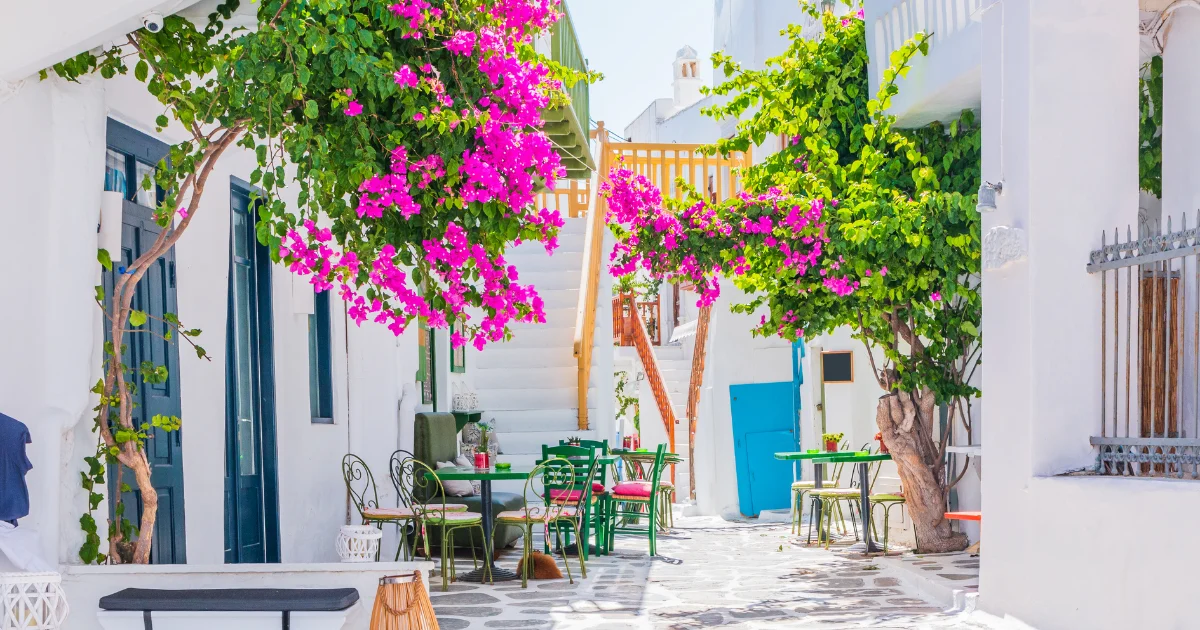
- Whitewashed villages and blue seas
- A mix of famous and quieter islands
- Paros (balanced, friendly, beautiful beaches)
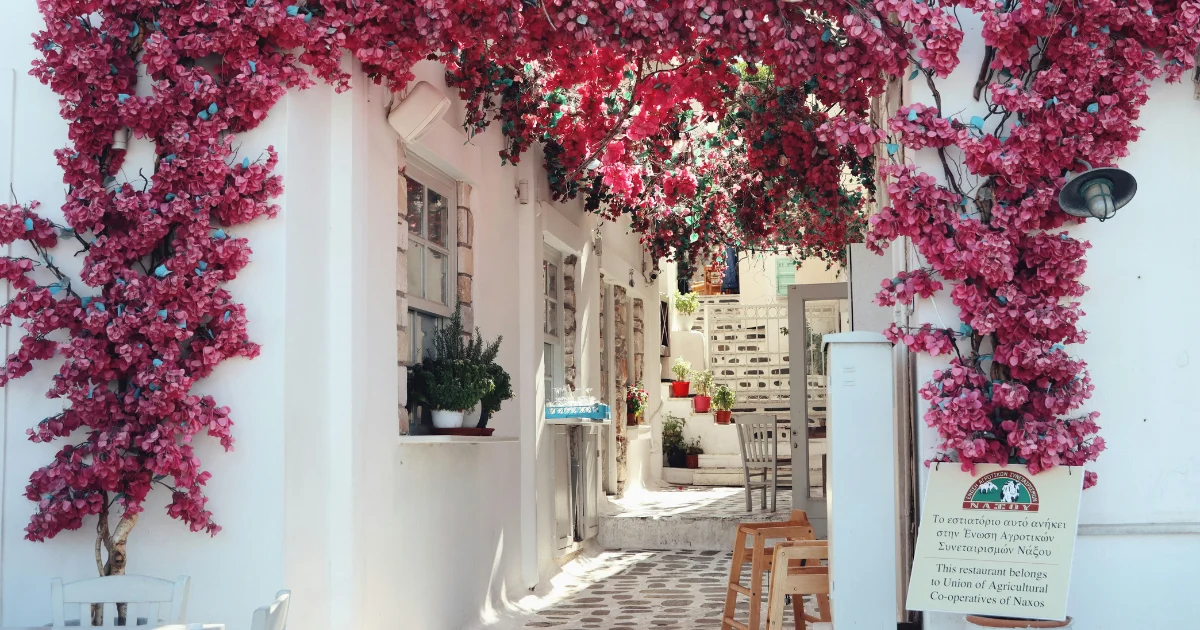
- Naxos (traditional villages, great food, variety)
- Santorini (dramatic views, best saved for fewer nights)
The Saronic Islands: Easy & Underrated
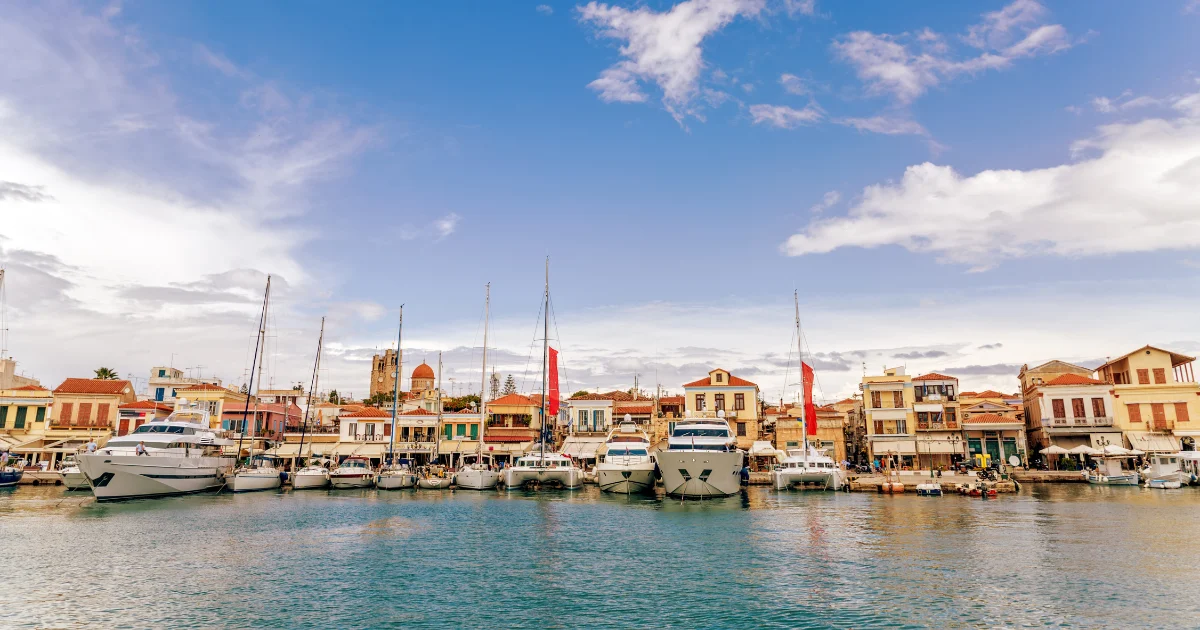
Close to Athens and often overlooked, these islands are perfect for first-timers who don’t want long ferry rides and crowds.- Hydra (no cars, artistic, elegant)
- Spetses (neoclassical charm, pine forests)
- Aegina (local life, pistachios, quick access)
Crete: One Island, Many Worlds
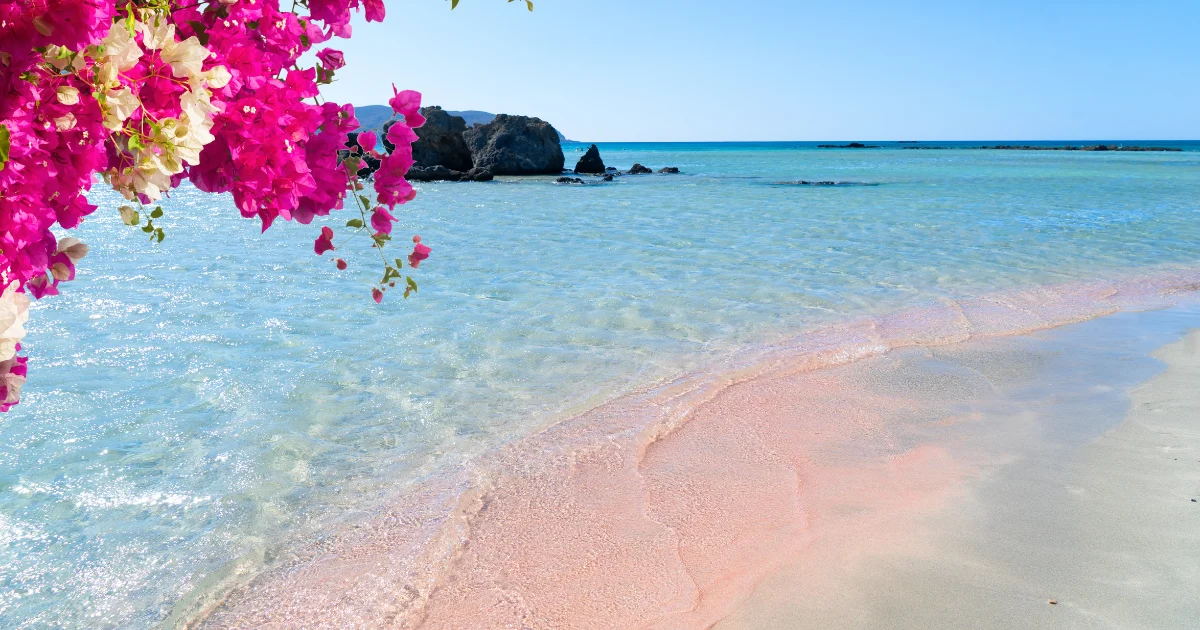
Crete is often skipped by island-hoppers and that’s a huge mistake. It’s an island you don’t hop through, but rather into. Crete offers:- Beaches, mountains, gorges
- Deep traditions and regional cuisine
- Towns that feel lived-in year-round
How Long Should You Stay?
A good rule:- 3–4 nights per island minimum
- Add travel days into your planning
- Leave space for weather, mood and spontaneity
Ferries, Seasons & Expectations
Ferries are reliable but weather-dependent. Wind can change plans. Locals accept this easily while visitors learn to (and often this is the hard way). Island-hopping teaches patience. It reminds you that travel doesn’t need to be perfectly controlled to be beautiful. It s a good idea to book ferries earlier in advance, because in peak season they are fully booked and you cannot rely on last-second tickets (unless you get lucky, but also prices are higher in this case). For active ferry lines and checking different routes you can try Ferry Hopper, Ferry Scanner, Ferries GR or Seajets directly (a leading ferry company in Greece).
The Beginner’s Mindset
The best island-hoppers aren’t the ones who see the most. They’re the ones who:- Stay long enough to feel the island
- Eat where locals eat
- Return to the same café twice
- Learn one waiter’s name
Frequently asked questions
How many Greek islands should a first-timer visit?
Fewer than you think. Three islands in ten days sounds efficient, but two islands in the same time usually feels far more satisfying. Plan a minimum of three to four nights per island and build travel days and spare time for weather into the itinerary.
Which Greek islands are best for first-time island hopping?
The Cyclades are the classic starting point thanks to frequent ferries, short crossings and a mix of famous and quieter islands; a beginner-friendly route is Paros, Naxos and a few nights in Santorini. The Saronic islands (Hydra, Spetses, Aegina) are close to Athens and underrated, while Crete works best as a single-island trip.
Do I need to book ferries in advance for Greek island hopping?
In peak season, yes. Ferries sell out and last-minute tickets are both unreliable and more expensive. Check routes and book through Ferryhopper, Ferry Scanner, Ferries GR or directly with Seajets.
Can bad weather cancel ferries in Greece?
Yes. Ferries are reliable but weather-dependent, and strong wind can change plans. Locals accept this easily; visitors learn to. Leave space in your schedule for weather and spontaneity rather than planning every transfer tightly.
Was this useful?