In Greece, health isn’t a trend, it’s a way of life that has evolved over millennia. From the golden olive oil drizzled over village salads to the fragrant mountain tea brewed at sunrise, the Greek approach to wellness is rooted in simplicity, seasonality, and connection to the land. Modern science continues to confirm what generations of Greeks have known instinctively, that nature provides everything we need to thrive. The key lies in how it’s used: not as a quick fix, but as a rhythm of daily living.
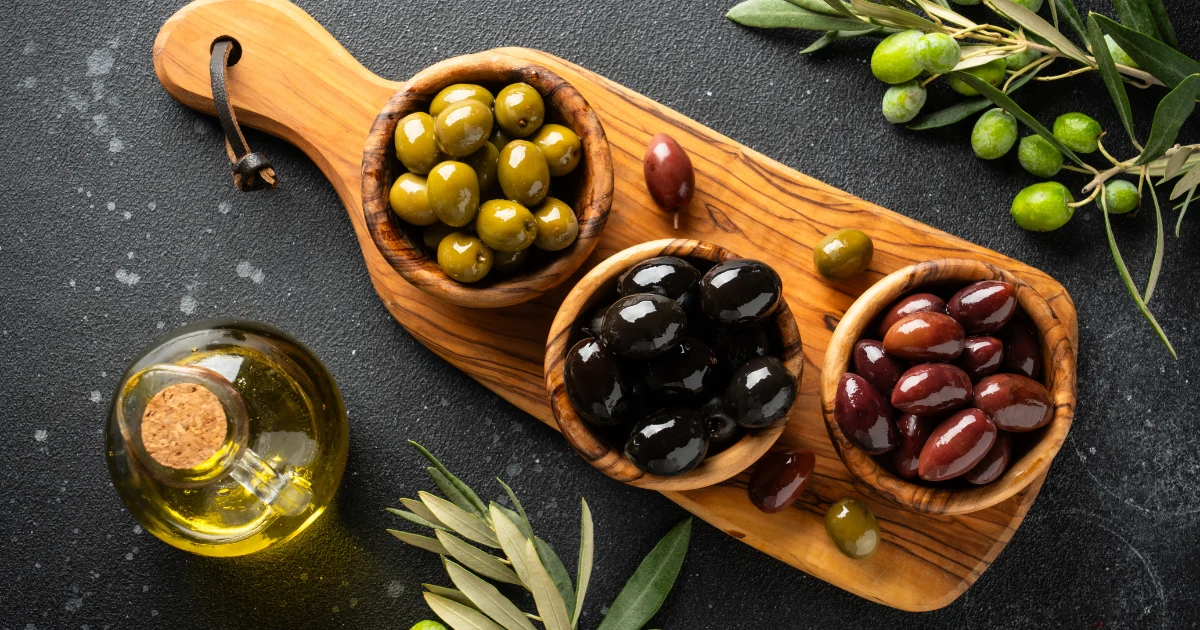
Olive Oil: The Liquid Gold of Life
No ingredient embodies Greece more completely than olive oil. For thousands of years, it has nourished the body, healed wounds and lit the lamps of temples and homes. To this day, every Greek kitchen treats olive oil as sacred, not just for cooking but as a symbol of health and purity. The roots of olive oil go back in the past. The olive tree was a gift from the goddess Athena to the people of Athens, symbolising peace and prosperity. Archaeological finds in Crete show that olive oil was produced as far back as 3,000 BC, traded across the Mediterranean and revered for its medicinal qualities. Hippocrates, the father of medicine, called it “the great healer”, prescribing it for everything from skin ailments to digestion. And in Greek Orthodox tradition, olive oil continues to be a symbol of blessing, used in baptisms, anointing rituals, and Easter celebrations.
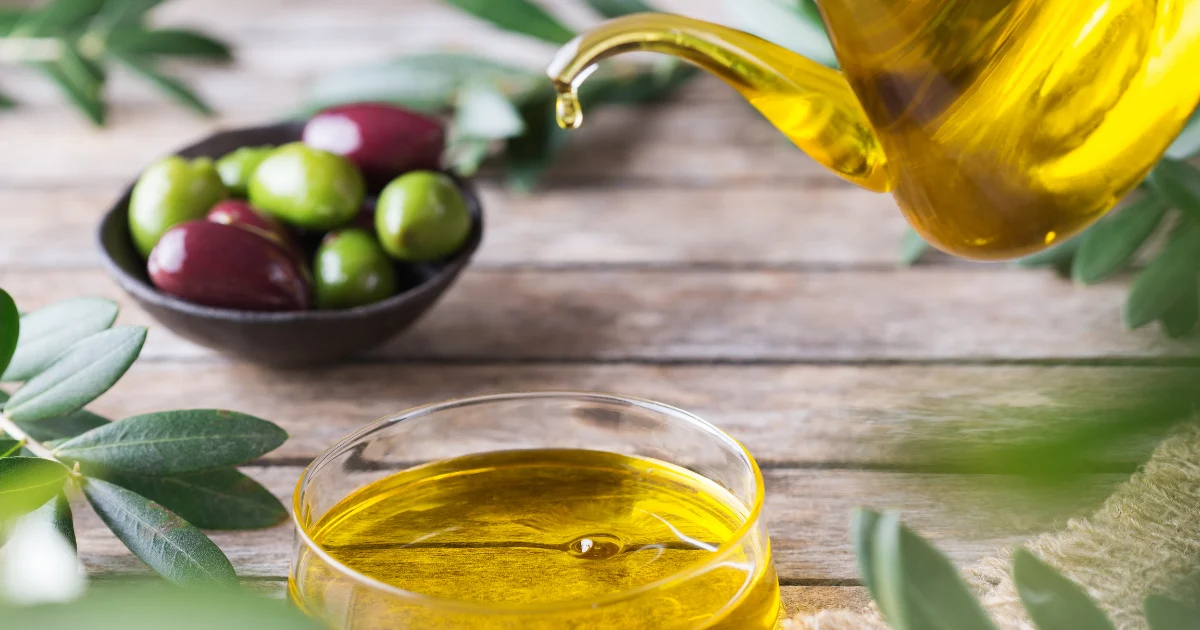
Modern studies now link extra virgin olive oil to heart health, longevity and reduced inflammation. Rich in monounsaturated fats and antioxidants like polyphenols, it protects cells from oxidative stress and supports healthy cholesterol levels.
Nutritionists note that the traditional Mediterranean diet, based on olive oil, vegetables, legumes and fish, is one of the most balanced eating patterns on earth, a way of eating that naturally reduces risk of chronic diseases.
How Greeks use it
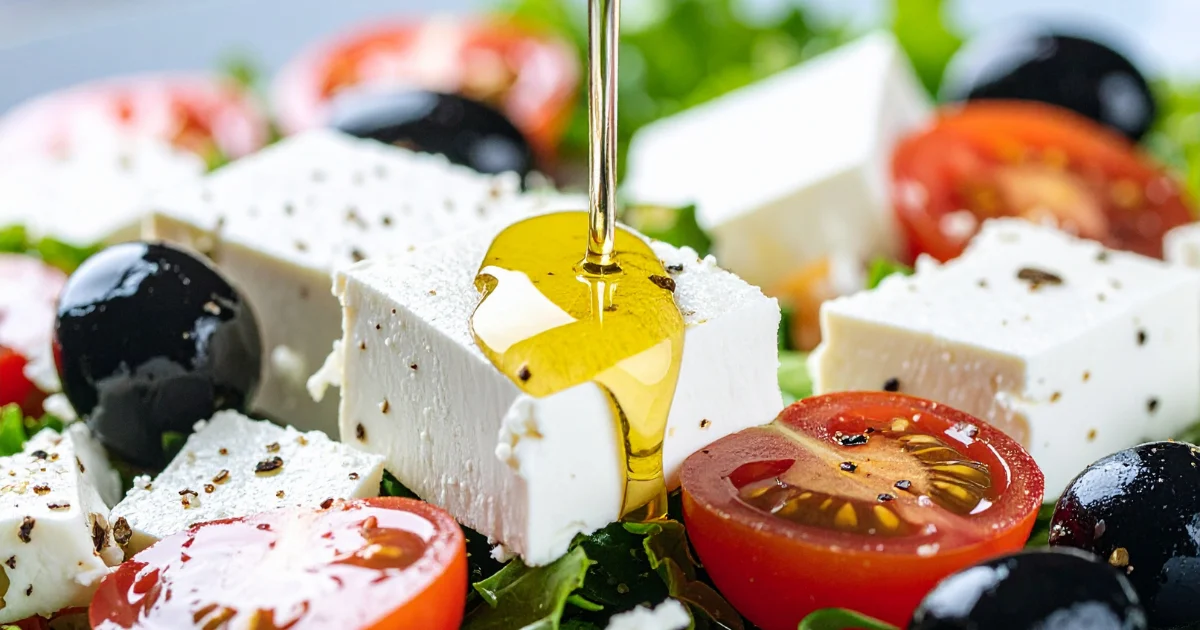
For Greeks, olive oil isn’t a condiment, it’s a foundation. It’s poured generously over horta (wild greens), drizzled on grilled fish, stirred into lentil soup or spooned over bread in the simplest yet most satisfying breakfast imaginable.
In rural villages, families often harvest from their own olive groves each autumn. The first press of the season (deep green, peppery and fragrant) is cause for celebration. Locals dip bread straight into it, savouring the year’s first taste of vitality.
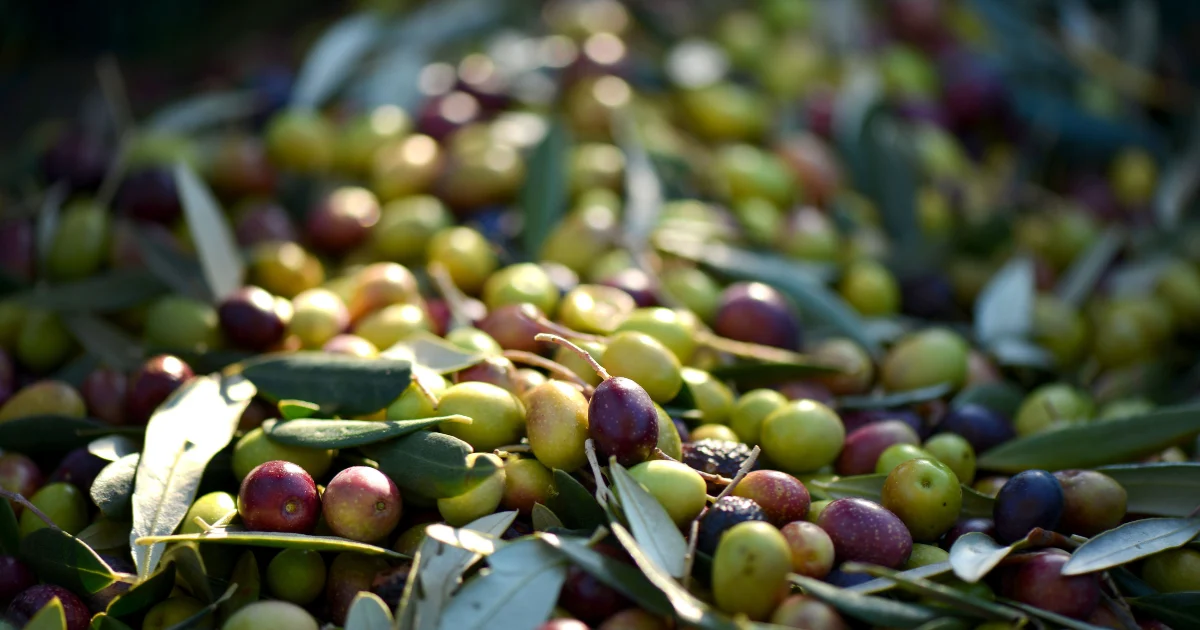
💡 Tip: For everyday use, look for cold-pressed extra virgin olive oil from regions like Kalamata, Crete or Lesvos, all known for exceptional quality. Store it in dark glass bottles away from sunlight to preserve its nutrients.
Honey: The Sweet Medicine of the Gods
In ancient Greece, honey was considered a gift from the gods . A divine elixir symbolising life, fertility and immortality. The god Zeus was said to have been nourished by honey in his infancy and honey offerings were made to both gods and ancestors.
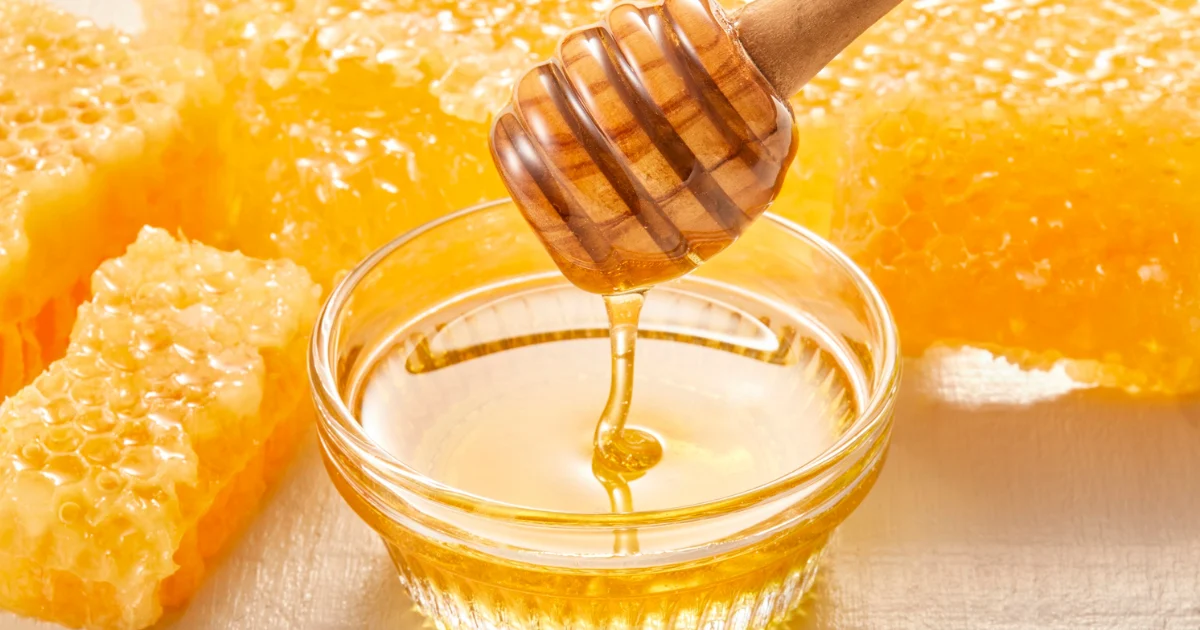
Greek honey is special. The country’s diverse flora, from wild thyme and pine to heather and orange blossom, gives it incredible variety and richness. Each type tells a story of the land it comes from.
- Thyme honey (from the islands and Attica) is aromatic and antiseptic.
- Pine honey (from Evia and Halkidiki) is less sweet, rich in minerals and antioxidants.
- Heather honey (from the mountains) has a strong, earthy taste and is prized for soothing sore throats and boosting immunity.
For centuries, Greeks have used honey as both food and medicine, mixed into herbal teas, drizzled on yogurt, spread on bread or blended with vinegar and water as a natural energy drink.
Raw honey is packed with enzymes, amino acids and antibacterial compounds. Studies show it can help regulate blood sugar, promote wound healing and support gut health. In moderation, it’s a natural sweetener that offers much more than calories.
💡 Greek tradition: Each winter, families mix honey with lemon juice and cinnamon, a simple remedy against colds that rivals any modern syrup.
Editor’s note: the best honey I have personally tried is the one I found in Arnaia, a small village in the mountains of Halkidiki. If you ever go, don’t miss Georgakas store! It is a small family-owned business producing absolutely amazing honey, nut spreads and so much more. You can find out more about it here:
https://www.honeygeorgaka.com/en?srsltid=AU7gw4UWrD75Zr-gyG4QMY3jTGYRG90yog6tIONDoooBwJVdUk6JKmqG
Herbs: The Soul of Greek Healing
From the mountains of Crete to the hills of Epirus, the air in Greece carries the scent of wild herbs. oregano, sage, thyme, chamomile, rosemary and mountain tea grow freely, often gathered by hand and dried in bunches to last through the year.
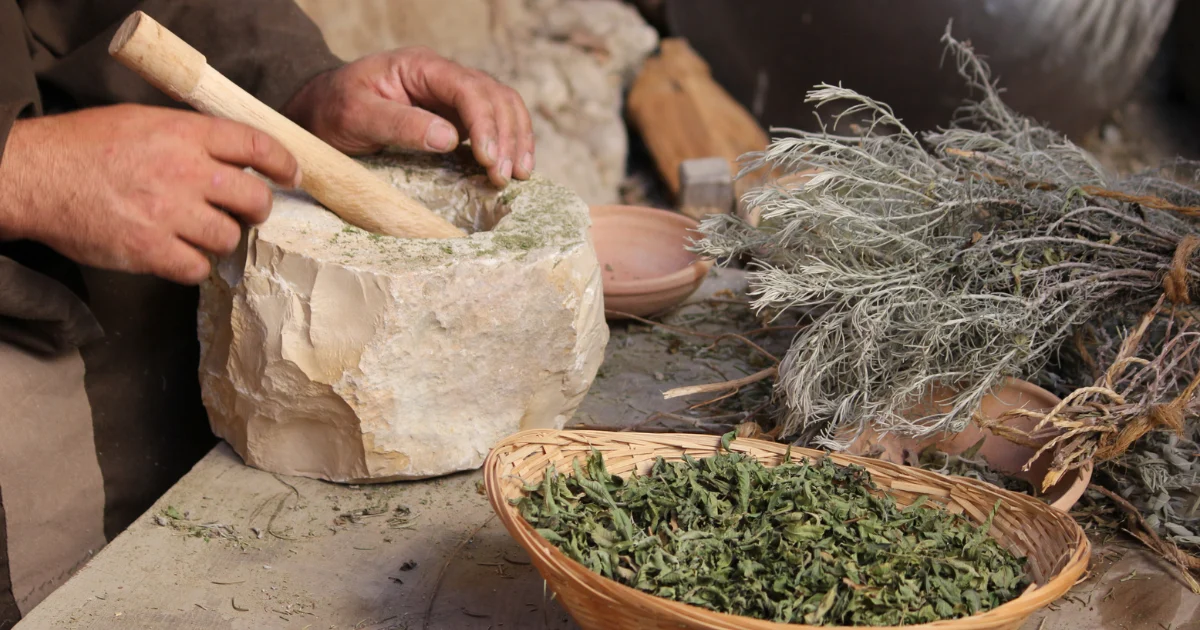
The ancient Greeks considered herbs sacred. Hippocrates and Dioscorides wrote extensively on their healing powers, using them to treat fevers, respiratory issues, digestion and stress. Many of those same plants still form the backbone of modern herbal medicine.
- Oregano: Antimicrobial and antioxidant, used in cooking and as a natural antiseptic tea.
- Sage: Calms nerves, soothes sore throats and is thought to improve memory.
- Thyme: Strengthens the immune system and clears the lungs.
- Chamomile: A mild sedative that eases anxiety and aids sleep.
- Mountain tea (my personal favourite): A powerhouse of polyphenols; boosts immunity and supports respiratory health.
In recent years, younger generations of Greeks have revived interest in herbalism, combining traditional knowledge with modern research. Boutique brands now produce organic teas, herbal blends and essential oils that preserve local biodiversity while connecting people back to the land.
In many households, a simple cup of mountain tea with honey and lemon remains the go-to cure for fatigue or the common cold. Beyond the science, it’s a ritual, a moment of warmth and care passed down from grandparents to grandchildren.
What sets the Greek approach apart isn’t the ingredients alone, but the philosophy behind them. Health is not about restriction or guilt; it’s about balance, moderation, and joy. Meals are shared, not rushed. Food is fresh, local and in season. People walk daily. Not as exercise, but as part of life. Sunshine, sea air, laughter and community all play their part in keeping Greeks among the healthiest populations in Europe. The rhythm of life itself, being slower, more mindful and more connected, is perhaps the greatest health secret of all.
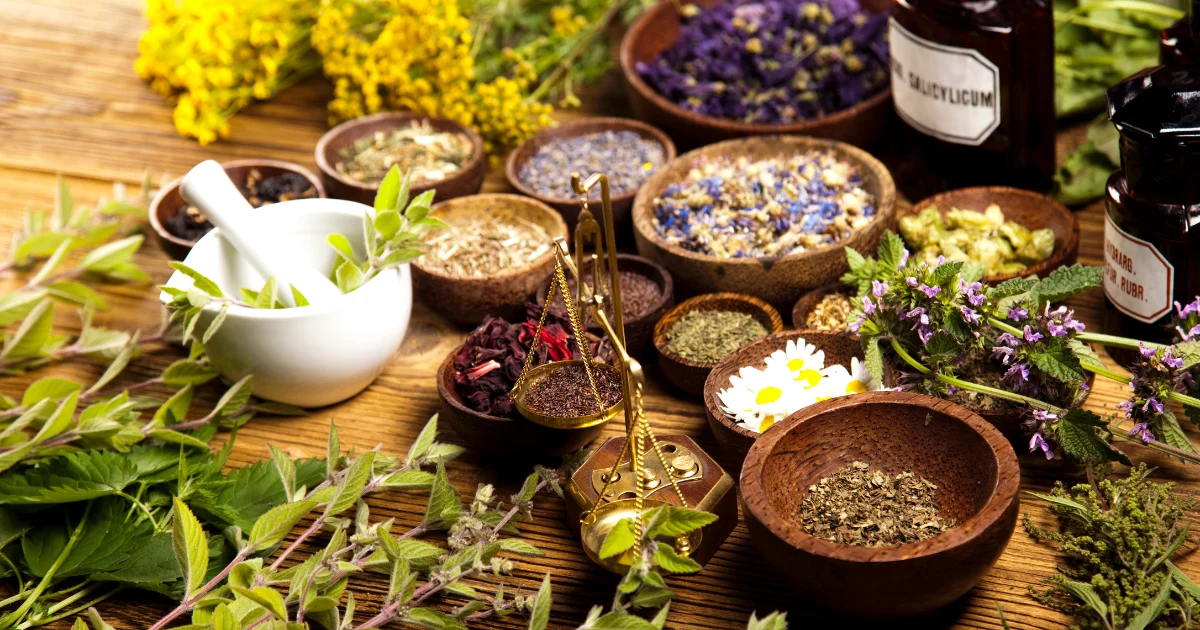
You don’t need an olive grove or a Greek grandmother to live the Hellenic way. Start small:
- Cook with olive oil instead of butter.
- Swap sugar for honey.
- Brew a cup of mountain tea instead of another coffee.
- Spend time outdoors and eat with loved ones.
These simple habits, repeated daily, echo centuries of Greek tradition, a proof that wellness doesn’t come from chasing the latest superfood, but from living in tune with nature and season.
The Greek lifestyle reminds us that health isn’t found in a pill or diet, but in our connection to the earth and each other. A drizzle of olive oil, a spoonful of honey, a handful of herbs… All these are not just ingredients; they’re expressions of a philosophy that celebrates life in its most nourishing, authentic form.
Was this useful?