
Greek cuisine is famous worldwide but what most visitors eat in Greece is only a fraction of what Greeks actually cook at home. Beyond souvlaki and moussaka lies a quieter, deeper culinary world. One rooted in seasonality, frugality and generations of home cooking.
Here are some of the dishes Greeks grow up with (and tourists often miss).
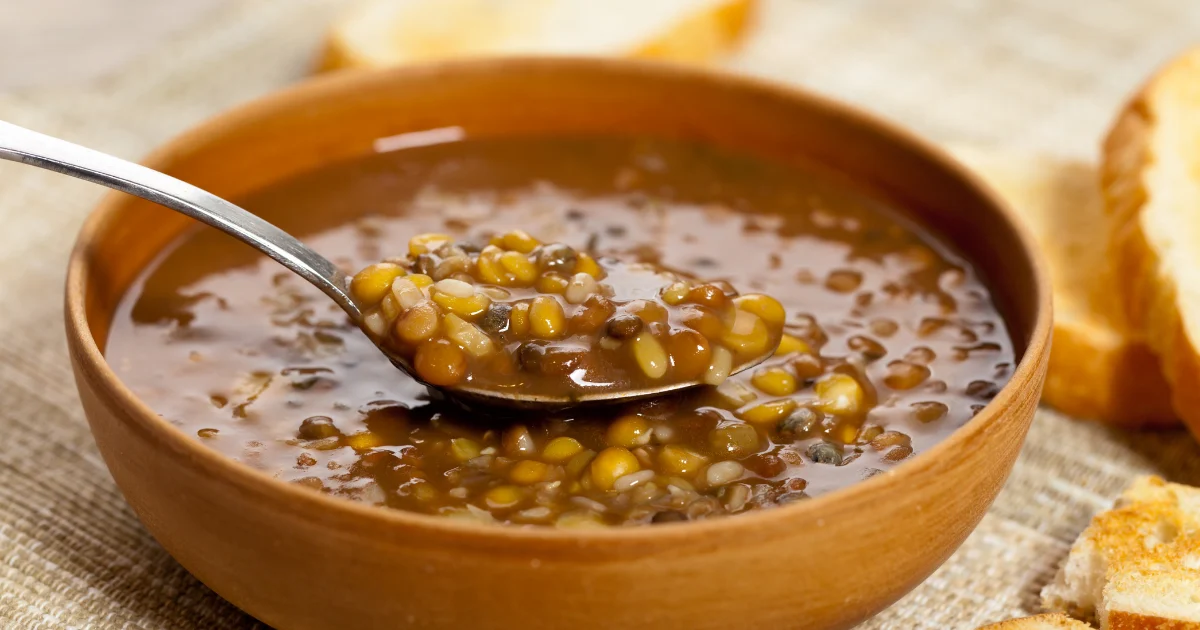
Fakes (Lentil Soup)
Simple, nourishing and deeply comforting, fakes is a winter staple in Greek homes. Lentils simmered with onion, bay leaf and olive oil, served with vinegar and bread. It’s not flashy. It’s an honest food… and very, very Greek.
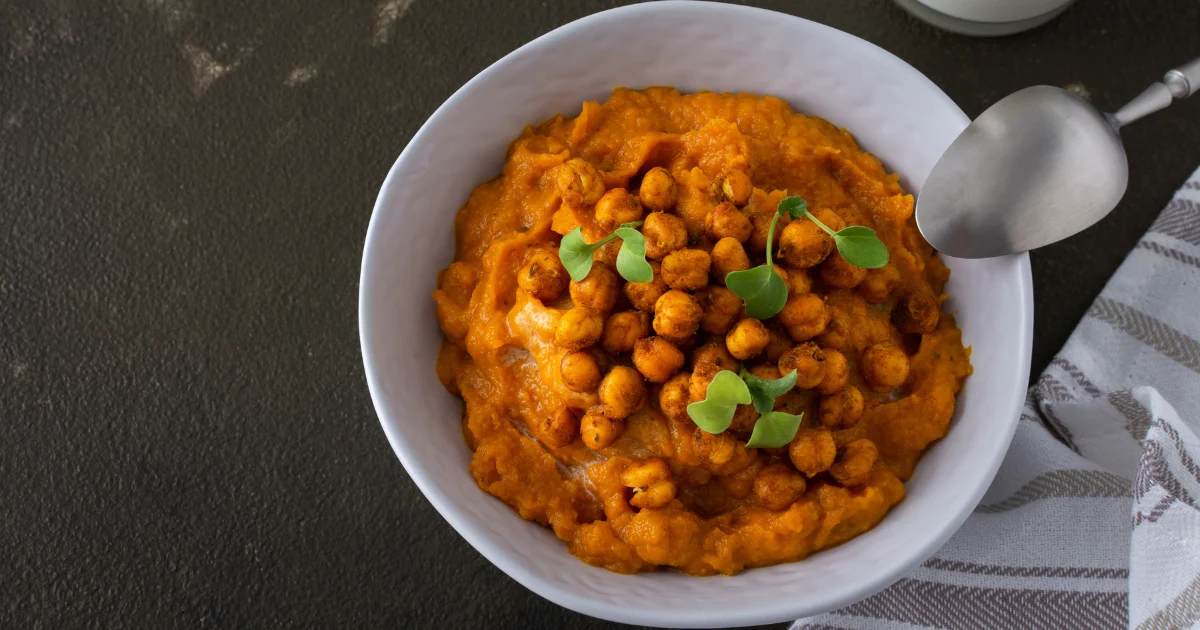
Revithiada (Slow-Baked Chickpeas)
Originally from the Cyclades, revithiada is chickpeas baked slowly overnight with onions and herbs. Traditionally prepared on Saturday night and eaten after Sunday church. It represents patience, community, and tradition, basically everything Greek food stands for.
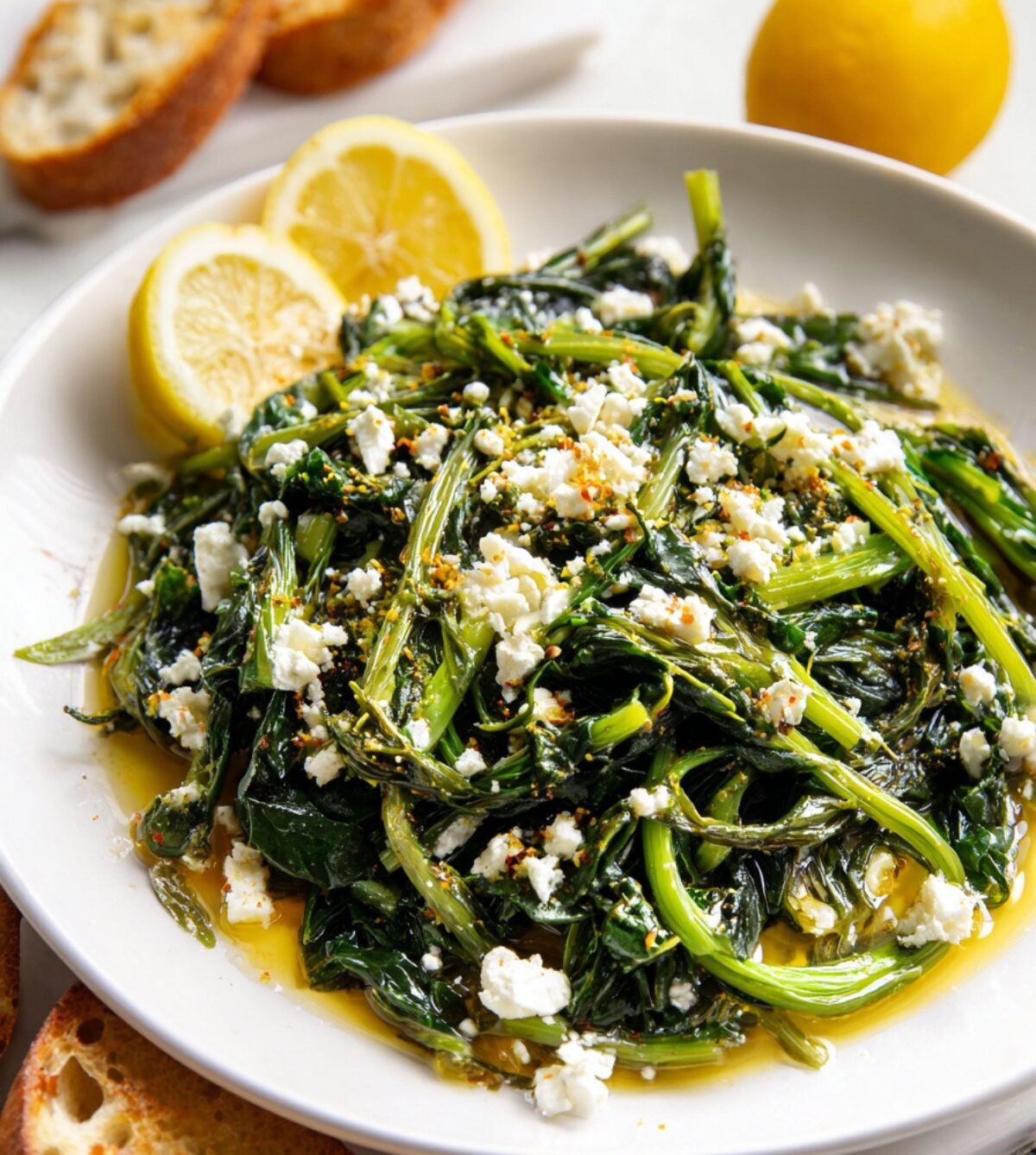
Horta (Boiled Wild Greens)
Greeks have an intimate relationship with wild greens. Horta may look simple (boiled greens with olive oil and lemon) but it carries centuries of knowledge. It’s seasonal, healthy, and usually gathered rather than bought.
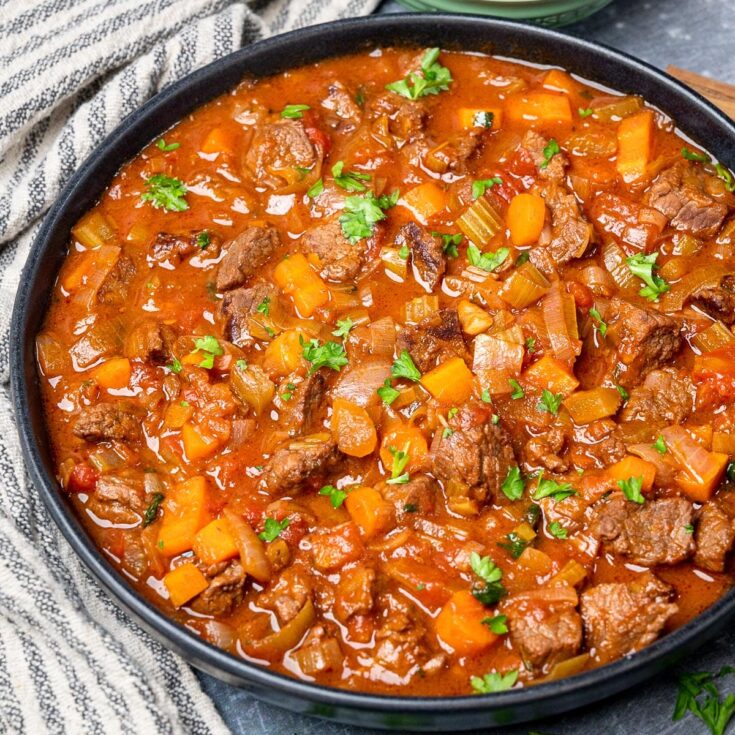
Kokkinisto
A rich tomato-based stew, usually made with beef or chicken, served over pasta or rice. It’s deeply comforting and varies from family to family. No two kokkinistos taste the same (and that’s actually the point).
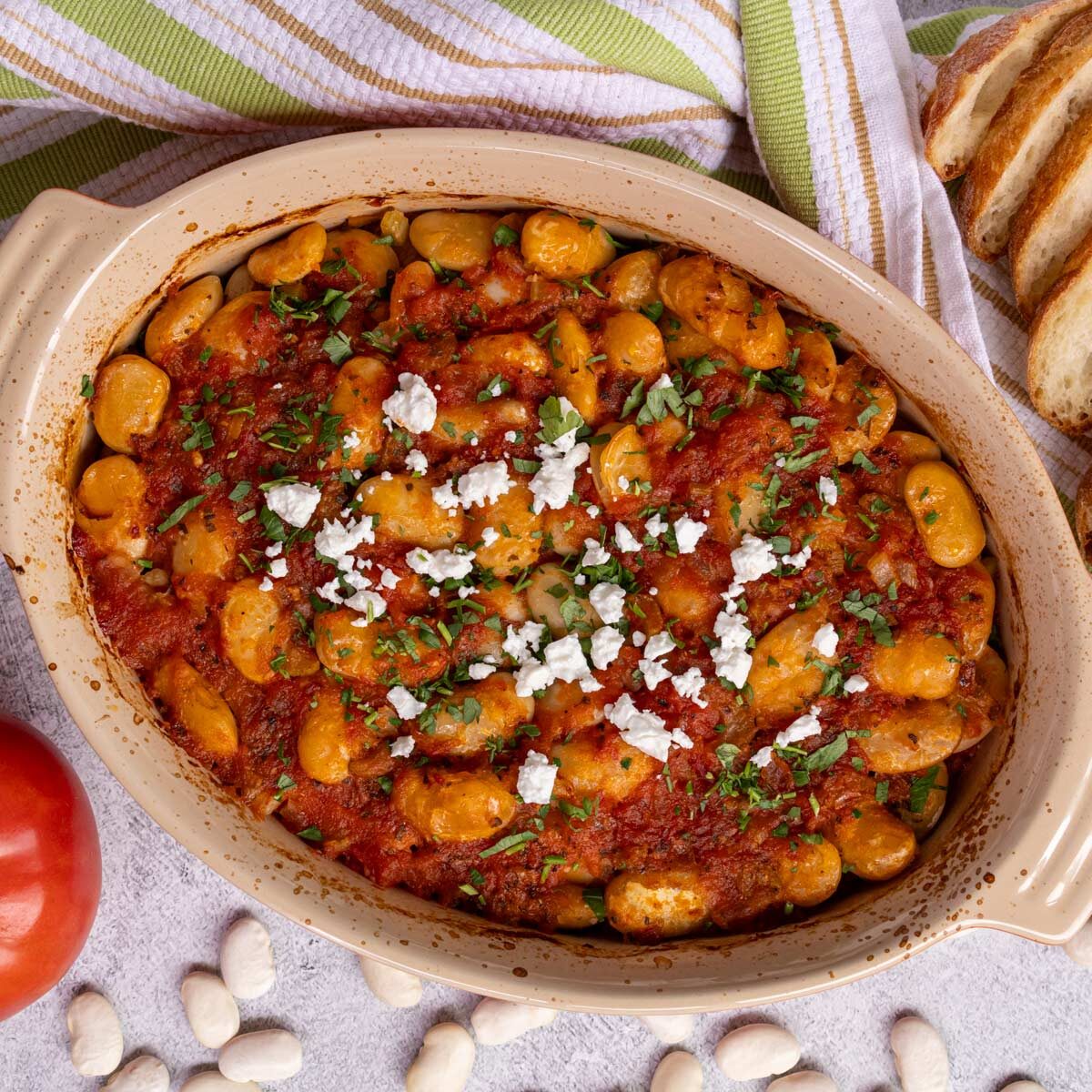
Gigantes Plaki
Large beans baked in tomato sauce with herbs and olive oil. Served warm or cold, often as part of a shared table. It’s a dish meant to be eaten slowly, with bread and conversation.
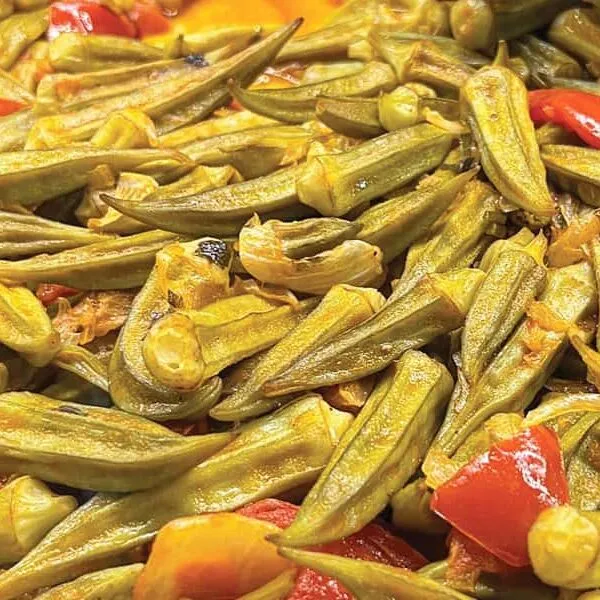
Ladera (Olive Oil Dishes)
An entire category of Greek cuisine revolves around vegetables cooked in olive oil, including zucchini, green beans, okra, eggplant etc. These dishes are humble, seasonal, and deeply satisfying. Greeks often prefer them to meat.
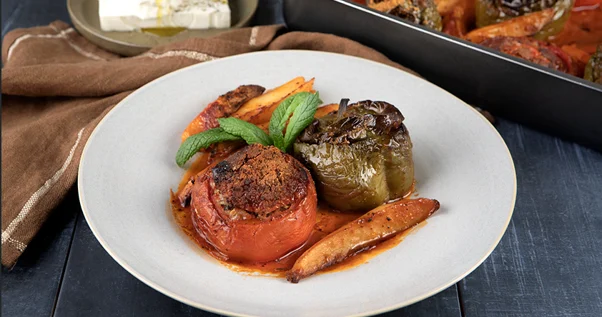
Gemista (Stuffed Vegetables)
Gemista are the essence of Greek home cooking — humble, seasonal and deeply comforting. Tomatoes, peppers, zucchinis, or eggplants are hollowed out and generously filled with rice, herbs, onion, and olive oil, then slowly baked until everything melts together. There are countless variations. Some families keep them vegetarian, letting the sweetness of the vegetables shine. Others add minced meat. What never changes is the fragrance — tomatoes caramelizing, herbs softening, olive oil pooling at the bottom of the pan. I share with you one of the best recipes for gemista I have ever cooked (developed by chef Akis Petretzikis, posted on his wesite).
Ingredients:
- 5 tomatoes
- 5 green bell peppers
- 1 tablespoon granulated sugar (optional)
- 1 onion
- 1 clove of garlic
- 1 bunch mint
- 1/2 bunch parsley
- salt
- pepper
- 200 gr round grain rice
- 2 tablespoons butter
- 1 kg potatoes
- 2 tablespoons tomato paste
- 250 gr water
- 5-6 tablespoons olive oil
- 100 gr dry breadcrumbs
For the serving:
- bread
- feta cheese
- pepper
- mint leaves
Execution:
- Cut the tomato on the bottom side and use a spoon to carefully remove the flesh without tearing its skin. Put the flesh of the tomato into a bowl and set it aside. Follow the same process for all the tomatoes.
- Put the tomatoes and the peppers into a baking pan and set it aside.
- Cut the top “lid” of the peppers, remove the seeds, and set them aside.
- Add the sugar into the bowl with the tomato flesh, optionally, and mix with a spoon. If the tomatoes are sweet enough, you do not need to add any sugar.
- Grate the big tomato pieces in a box grater or mash them in a chopper blender.
- Grate the onion and the garlic into the bowl and add the mint and parsley finely chopped, some salt and pepper, and mix well. Put the rice into the bowl and mix.
- Put one piece of butter in each tomato and pepper. Season the tomatoes with salt and pepper and divide the filling among the vegetables. Put one more piece of butter over the filling.
- Preheat the oven to 180οC (350ο F) set to fan.
- Cut the potatoes into wedges and put them in the pan.
- In a bowl add the tomato paste, water, 2 tablespoons of olive oil, salt, and pepper, and mix them well. Pour the sauce over the pan, add 3-4 tablespoons of olive oil, and spread the dried breadcrumbs over the tomatoes.
- Cover the pan with aluminium foil and bake the vegetables in the oven for 30-40 minutes. Remove the aluminium foil and bake them for another 30-40 minutes.
- Serve the veggies with bread, feta cheese, pepper, and mint.
If you want to eat like a Greek, look for the dishes written in small letters on the menu. Or even better, ask the waiter what’s cooked today.
Was this useful?