
When most people think of Greek cheese, feta is the first (and sometimes only) name that comes to mind. Crumbly, tangy, and perfectly salty, it’s earned its global fame for good reason. But Greece’s cheese culture goes far beyond feta. From the mountains of Epirus to the islands of Crete and Naxos, each region produces its own distinctive cheeses, shaped by centuries of tradition, landscape, and local life. Cheese in Greece isn’t just a food. It’s a reflection of geography, climate and community. Shepherds once made cheese to preserve milk through long winters. Today, many small dairies still follow the same seasonal rhythms, handcrafting cheeses that taste of their pastures and air.
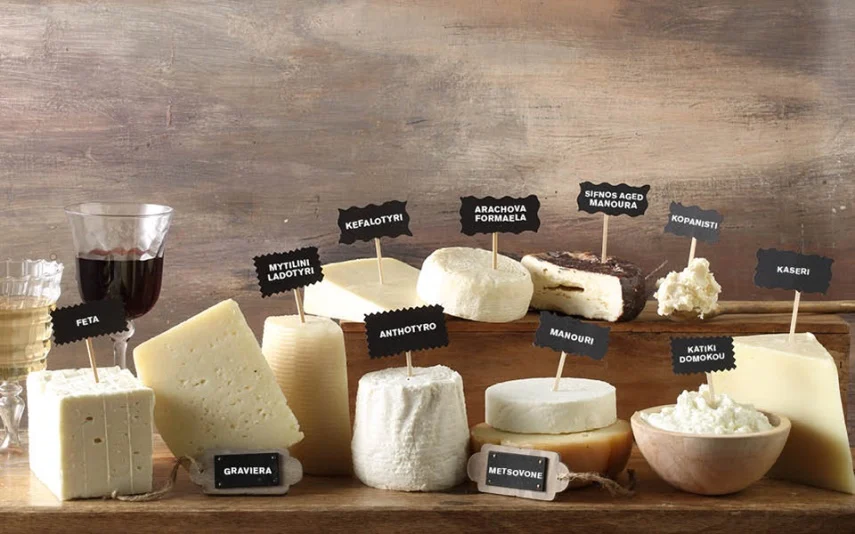
Sheep and goats are at the heart of Greek cheesemaking. Cows, introduced much later, play a smaller role, especially in the islands and mountains where hardy flocks graze freely on wild herbs and grasses. The result? Milk rich with flavour and aroma, the foundation of Greece’s most beloved cheeses. Many recipes date back thousands of years. Ancient Greeks offered cheese to the gods, and Homer even mentioned it in the Odyssey. Yet, despite these ancient roots, Greek cheeses continue to evolve, crafted with the same care, but enjoyed in new, modern ways.
Meet Greece’s Cheeses (That Aren’t Feta)
- Graviera
A semi-hard cheese with a mild, nutty flavour and golden hue. Each region makes its own version: Graviera Naxou (from Naxos) has a buttery texture from cow’s milk, while Graviera Kritis (from Crete) is sharper, made with sheep’s milk.
Try it with: Honey and walnuts, or melted in pies and saganaki.
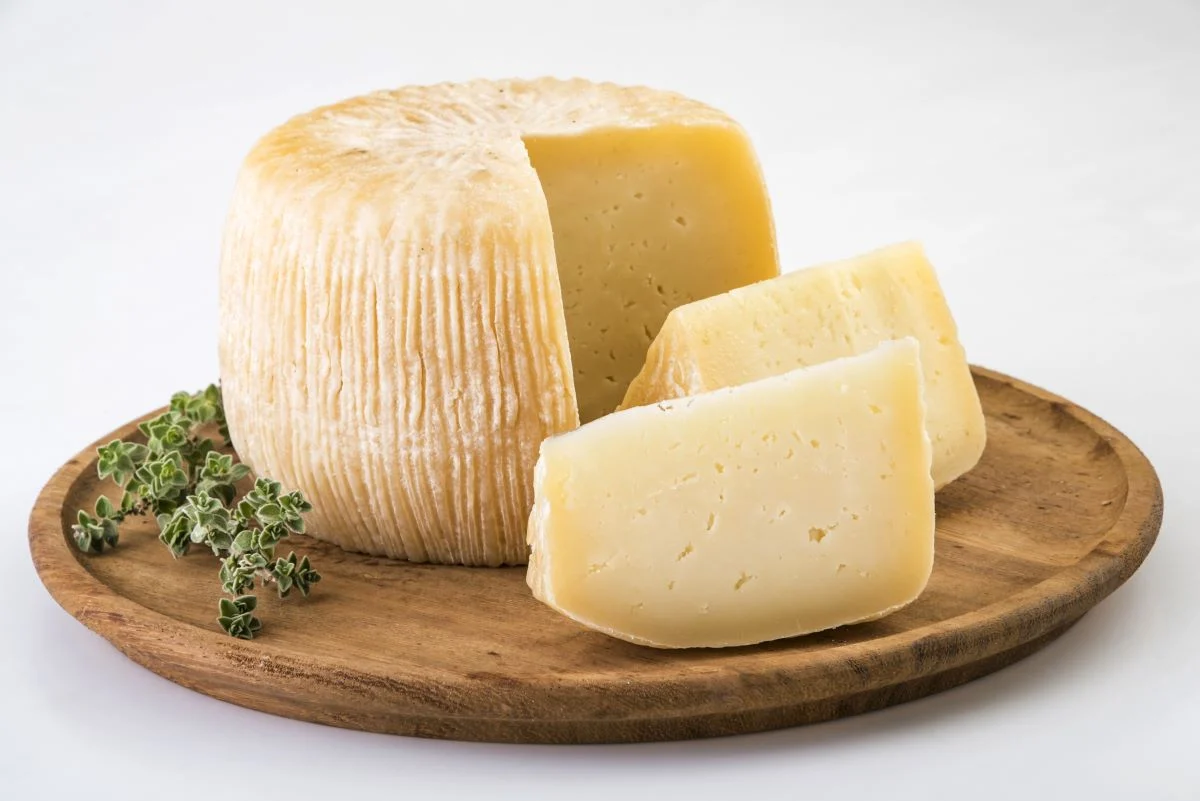
- Kefalotyri
Aged, salty, and firm. This cheese is often used for grating. It’s one of Greece’s oldest cheeses, with a robust, slightly spicy flavour that deepens with age.
Try it with: Pasta or fried until golden and served with lemon.
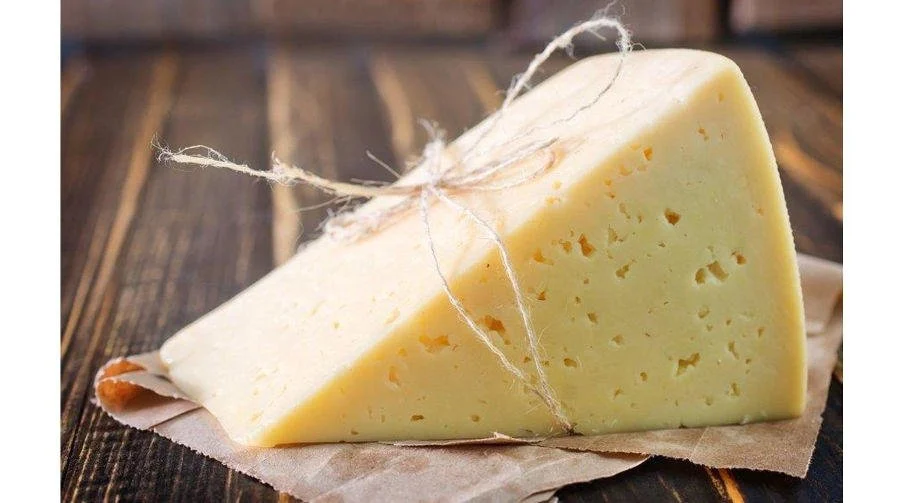
- Kasseri
Soft and elastic when warm, Kasseri is made mainly from sheep’s milk and aged for at least four months. It’s slightly sweet, with a hint of butter.
Try it with: Toasted bread or baked with tomato and oregano.
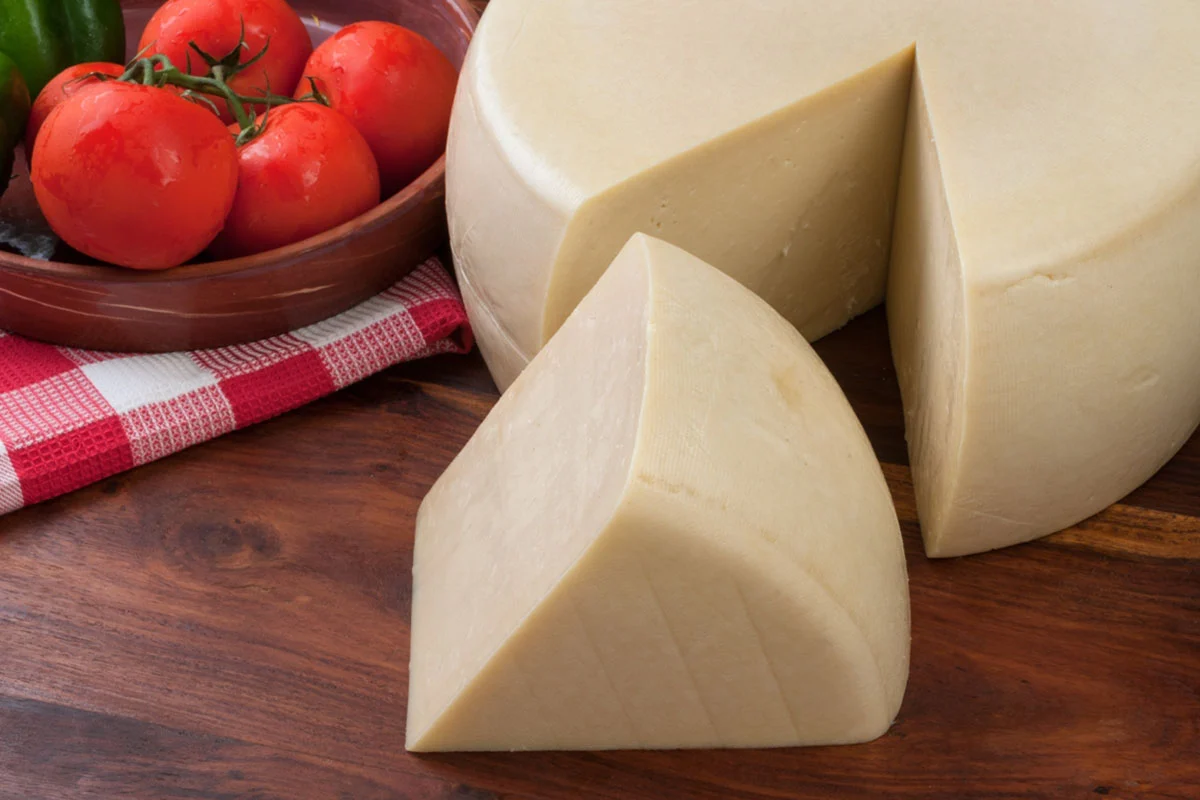
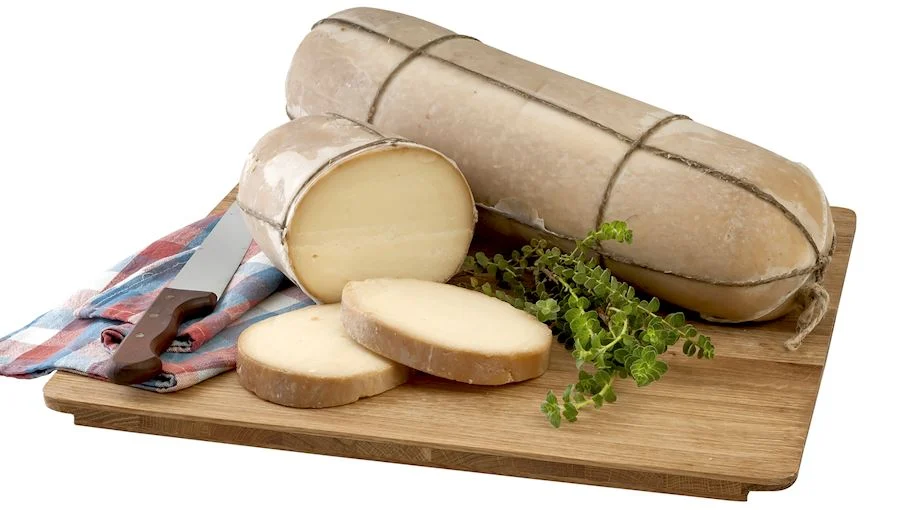
- Metsovone
From the mountain town of Metsovo in Epirus, this smoked cheese is one of Greece’s best-kept secrets. Made from a mix of cow’s and sheep’s milk, it’s smoked over beechwood and has a rich, savory taste.
Try it with: White wine or beer; it’s also fantastic grilled.
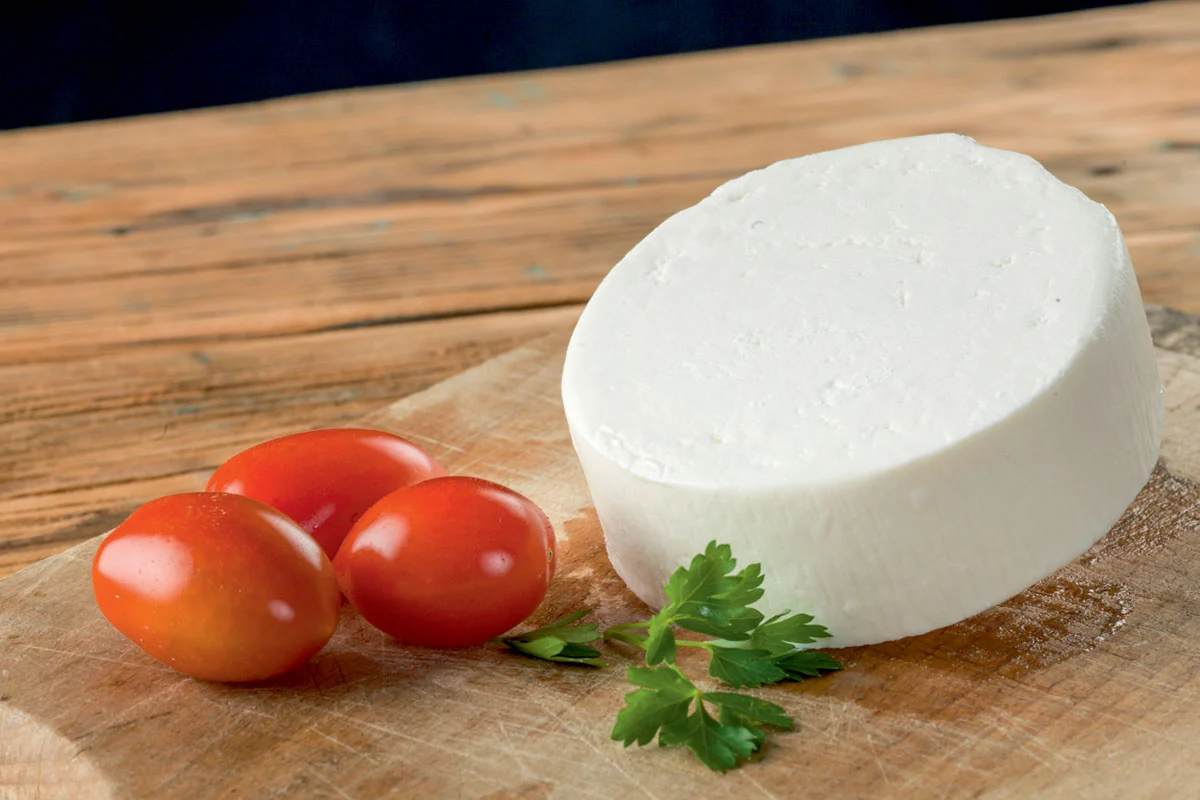
- Manouri
Soft, creamy and mild, Manouri is made from the whey left after making feta. It’s less salty, more buttery, and often used in desserts or salads.
Try it with: Honey, fruit, or fresh figs for breakfast. In a more modern setting, you can combine it with a bagel, cucumber and smoked turkey.
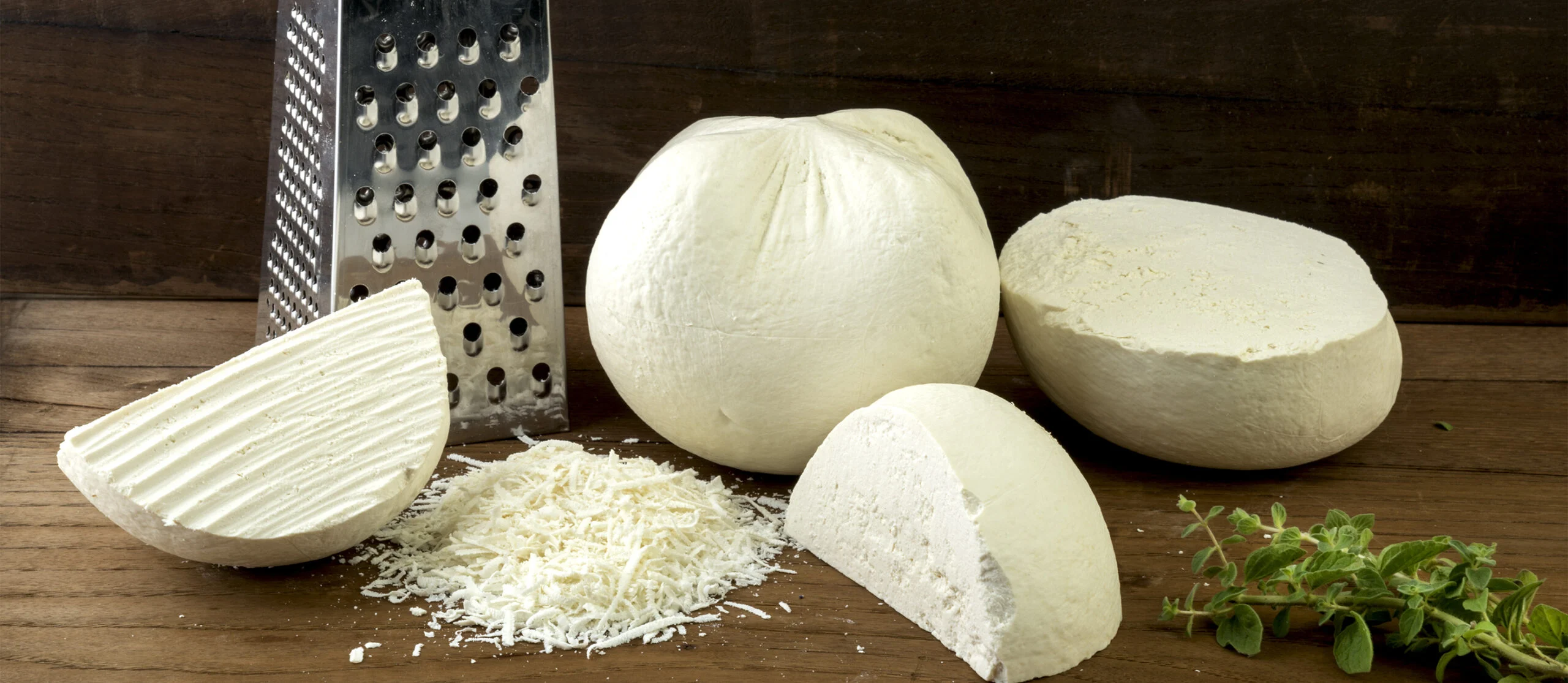
- Myzithra
There are two versions: fresh (soft and slightly sweet) and aged (hard and tangy). Both are made from sheep or goat whey.
Try it with: Pasta, pies or grated over hot dishes like pastitsio.
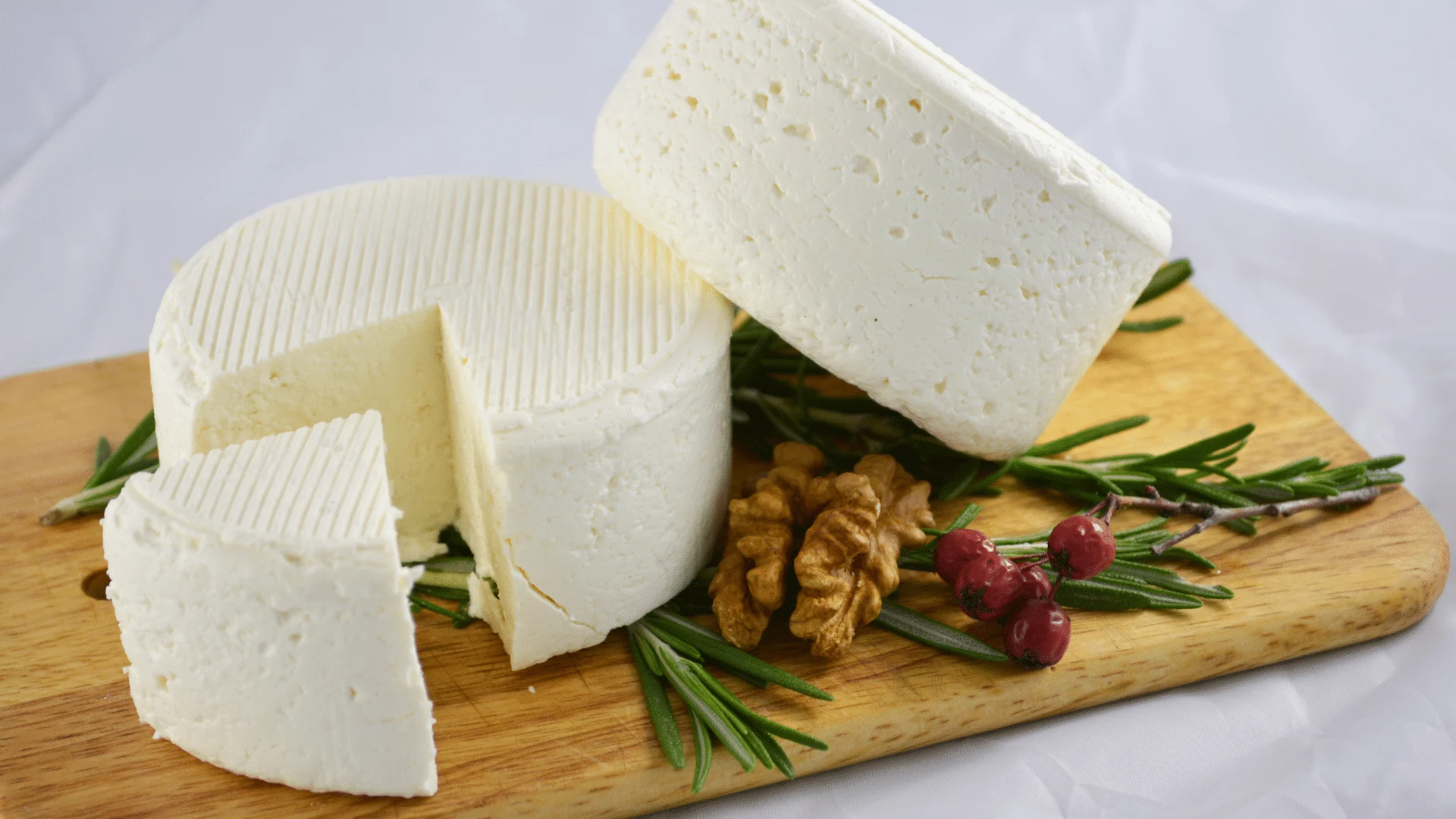
- Anthotyro
Similar to ricotta but more delicate. It’s mild, milky and melts beautifully.
Try it with: Fruit, jam, or as a base for cheesecake-like desserts.
- Kopanisti
The boldest of them all, it is a spicy, fermented cheese spread from the Cyclades Islands, especially Mykonos. It has a punchy, peppery flavour that wakes up the palate.
Try it with: Fresh bread, ouzo or meze platters.
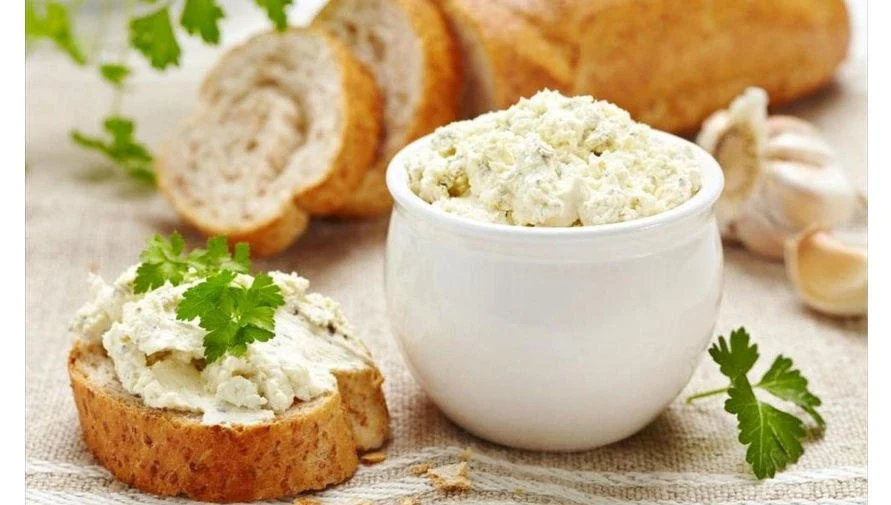
- Katiki Domokou
A creamy, spreadable cheese from Central Greece with a light, tangy profile. Low in fat and high in protein, it’s become a favourite for modern healthy Greek dishes.
Try it with: Fresh herbs, cucumbers and lemon.
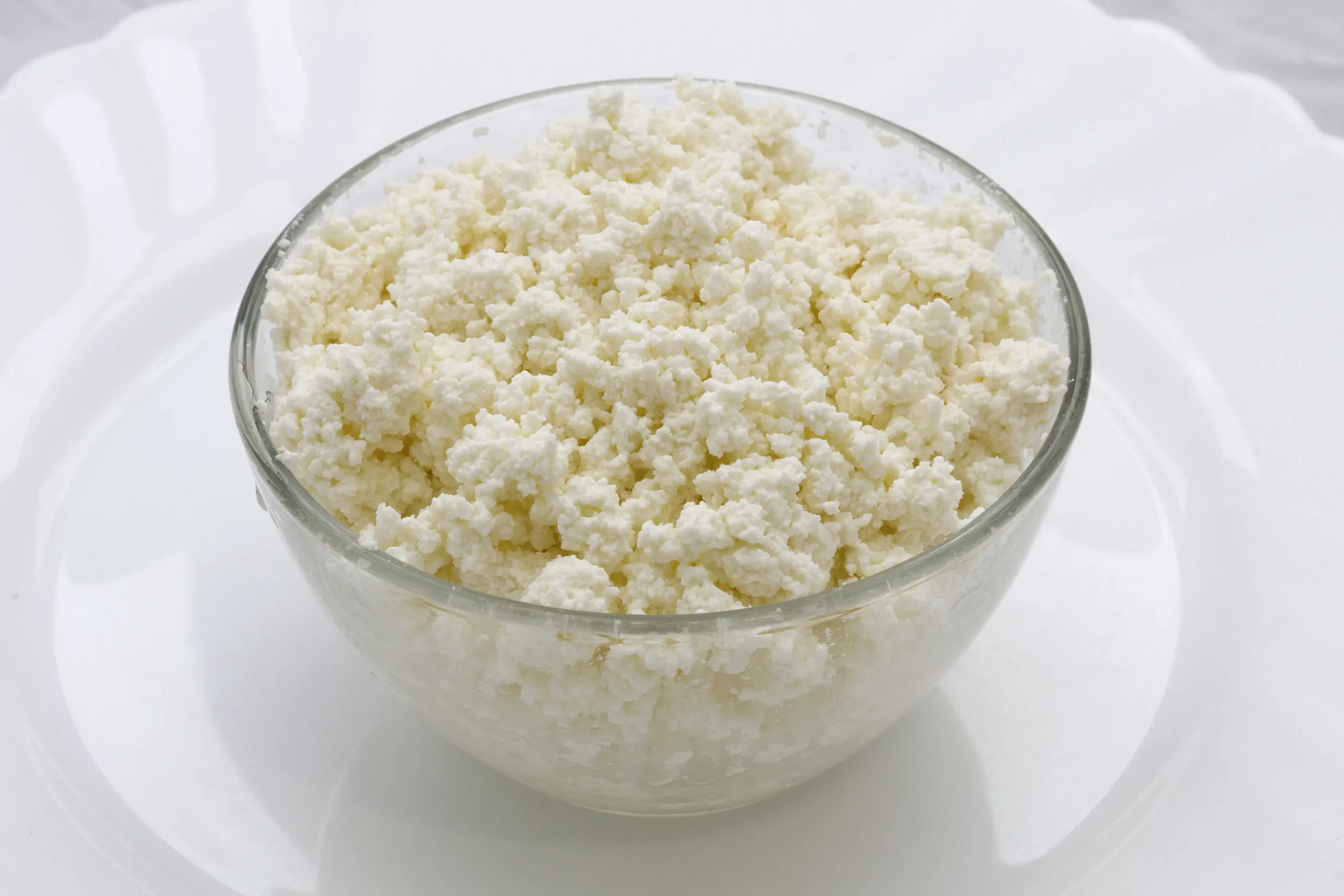
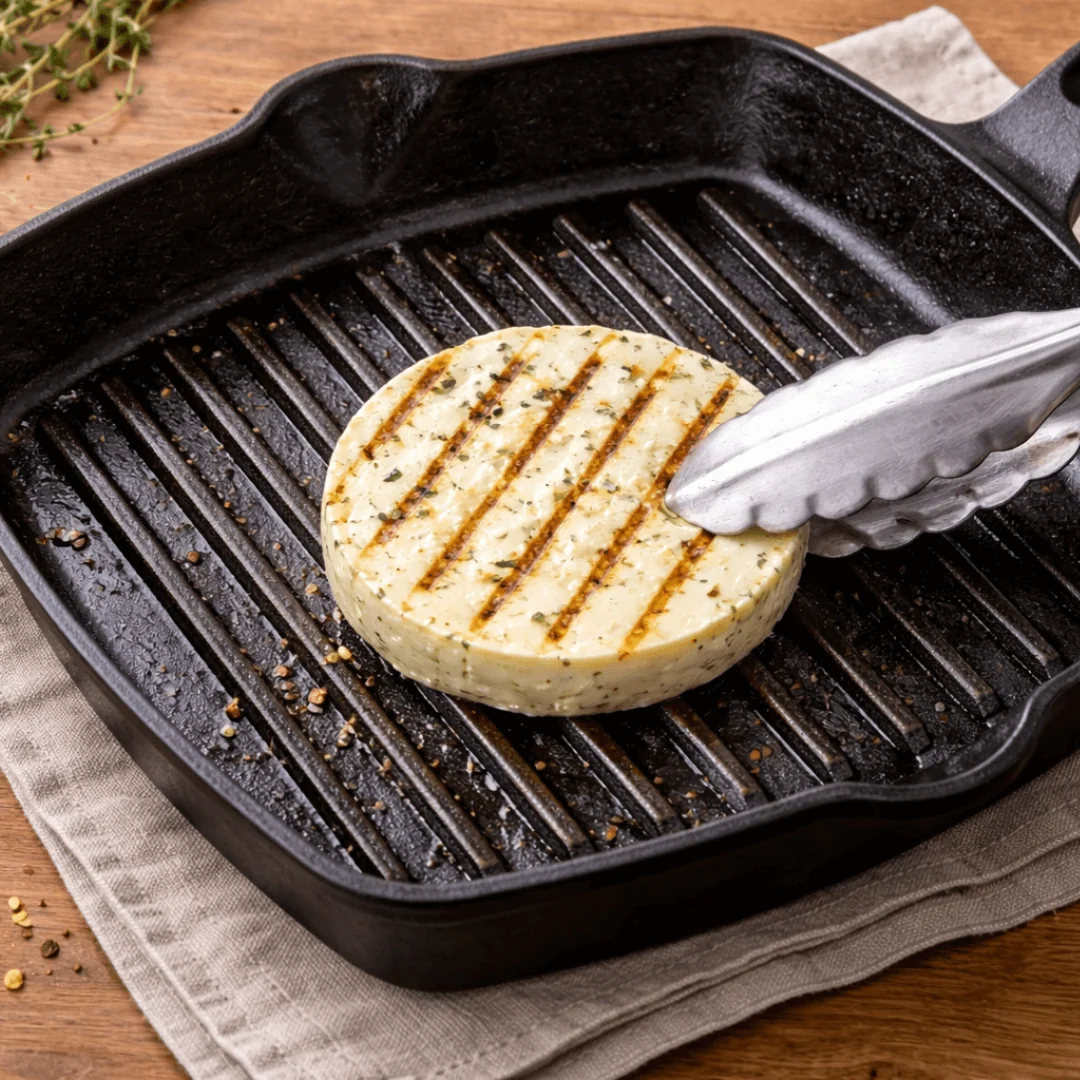
- Talagani
Often called the “artisan cousin of halloumi,” Talagani comes from Messinia in the Peloponnese. Made from sheep’s milk (sometimes with a touch of goat’s), it’s firm yet creamy and holds its shape perfectly when grilled. When heated, it develops a golden crust and a soft, elastic centre, releasing the aroma of butter and herbs.
Try it with: Grilled vegetables, lemon or a drizzle of pomegranate molasses.
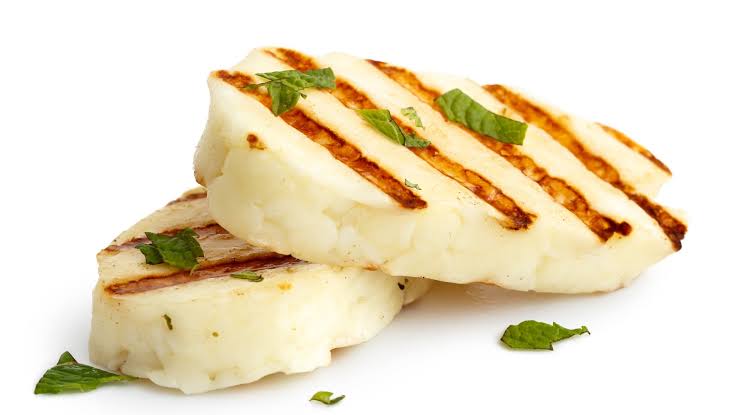
- Halloumi
Though best known from Cyprus, Halloumi has become a beloved staple across Greece as well. Traditionally made from a blend of goat’s and sheep’s milk, it is semi-firm, briny, and wonderfully squeaky when fresh. Its high melting point makes it ideal for grilling or pan-frying; when golden and crisp on the outside, it turns irresistibly soft inside.
Try it with: Watermelon in summer or served warm /grilled with mint and olive oil as a meze.
Cheese appears at almost every Greek meal – breakfast, lunch or dinner. You’ll find it crumbled in pies served with honey, fried as saganaki or simply sliced alongside olives and tomatoes. In tavernas, it’s often part of the meze table (cheese paired with bread, olive oil and a glass of wine or ouzo). In villages, locals often make their own cheese for family use. It’s a slow, careful process: heating the milk gently, stirring with wooden paddles, and pressing it in cloth molds. The result is a product that tastes of the land itself. Grassy, herbal, alive…
Greek cheeses are more than flavours, they’re memories of mountain pastures, island kitchens, and Sunday family lunches. Each one has its own rhythm and story, passed down through generations. So next time you enjoy Greek food, go beyond feta. Try a smoky Metsovone, a tangy Kopanisti, or a slice of Graviera drizzled with thyme honey. You’ll taste not just cheese, but centuries of Greek craftsmanship, patience, and pride.
Was this useful?