There are places in Greece where time feels suspended, where every corner is steeped in history and yet alive with the rhythms of everyday life. Kastoria, the lakeside jewel of northern Greece, is one such place. Surrounded by mountains and wrapped around the calm waters of Lake Orestiada, this town is both a living museum of Byzantine heritage and a retreat into nature’s quiet beauty.
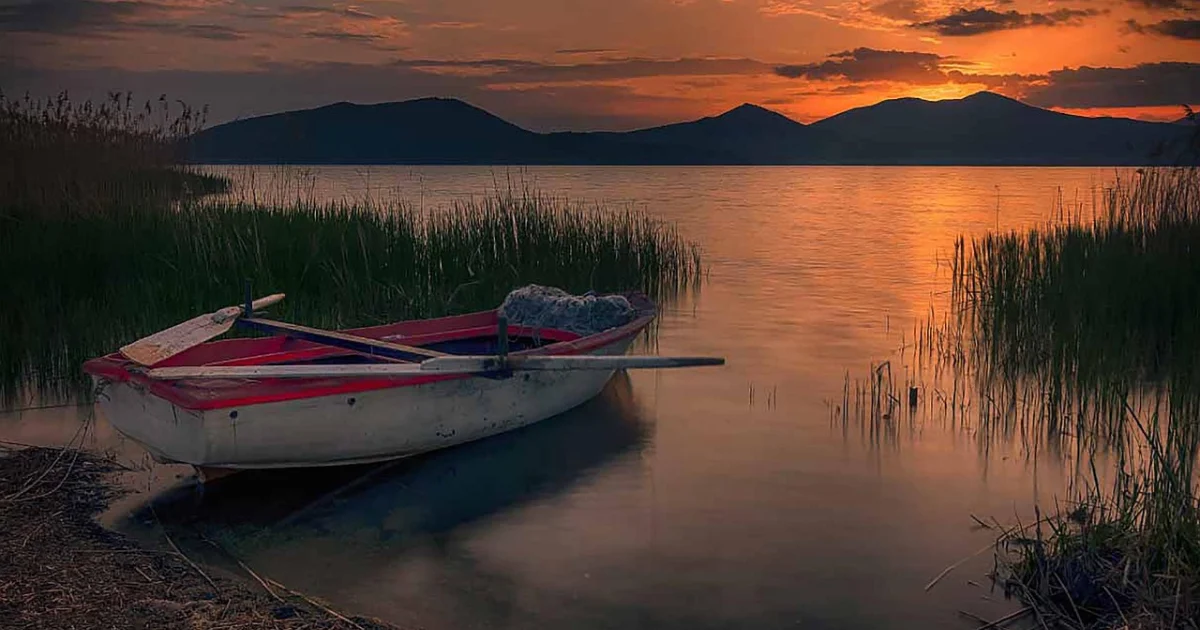
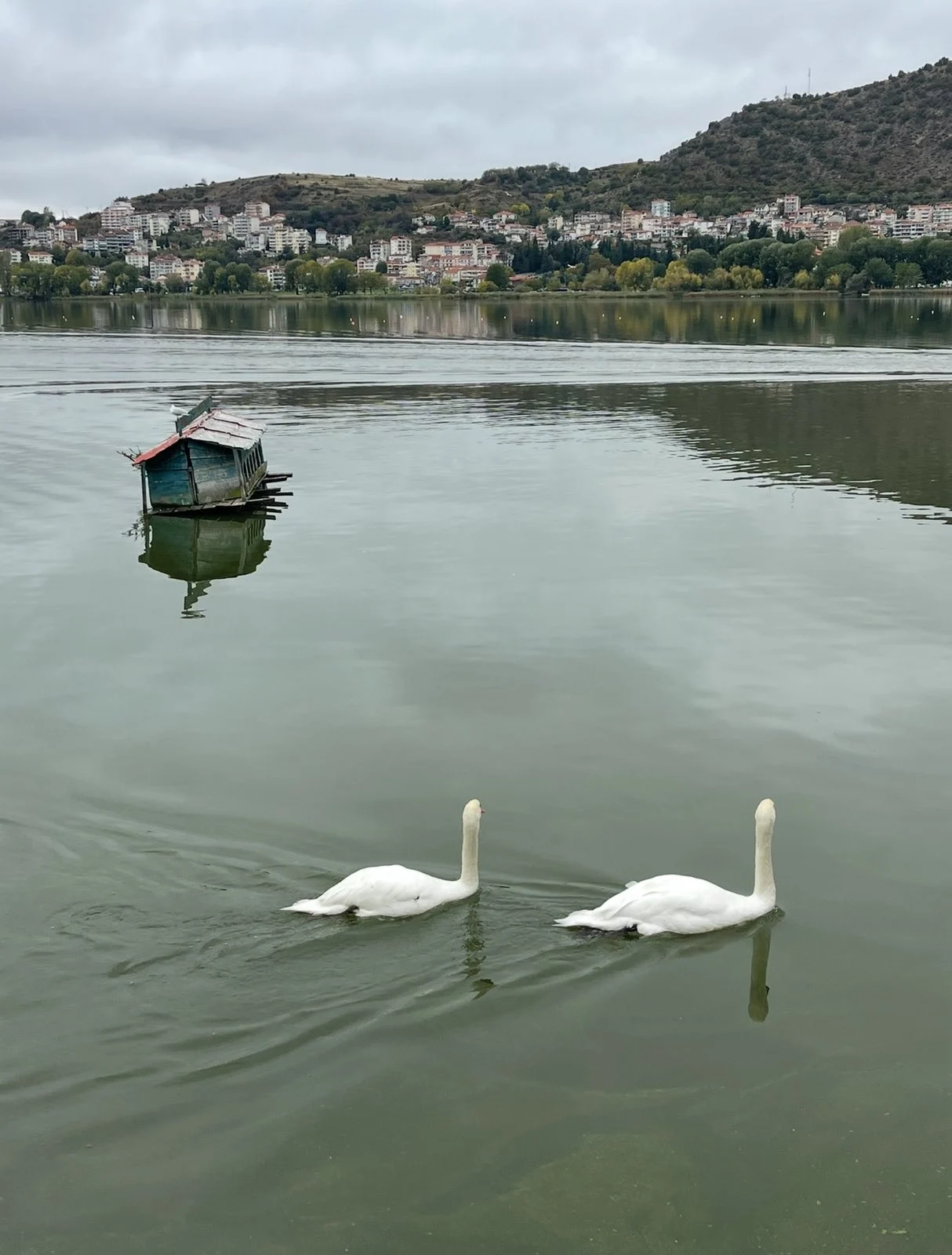
While Athens dazzles with its ancient ruins and the islands with their postcard-perfect beaches, Kastoria offers something different: a sense of stillness, a journey into a slower pace of life that mirrors the changing of the seasons. It is a destination for all seasons, but in autumn, it looks like a fairy tale went live. Autumn in Kastoria has a special vibe – of quietness and calmness that can rarely be found elsewhere. And all that, while the city life doesn’t slow down, but rather integrates this peace of mind even in the small moments – walking by the lake, drinking salepi in a carton cup on a bench, feeding the swans and birds walking around you or simply sailing with a boat across the lake.
A Town by the Lake
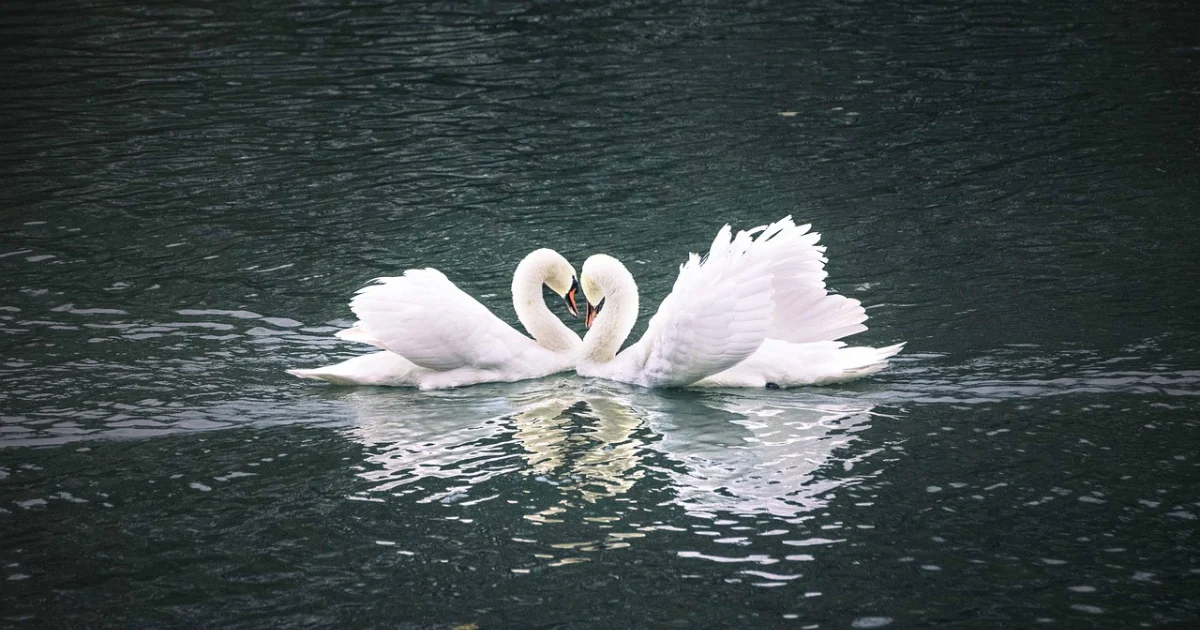
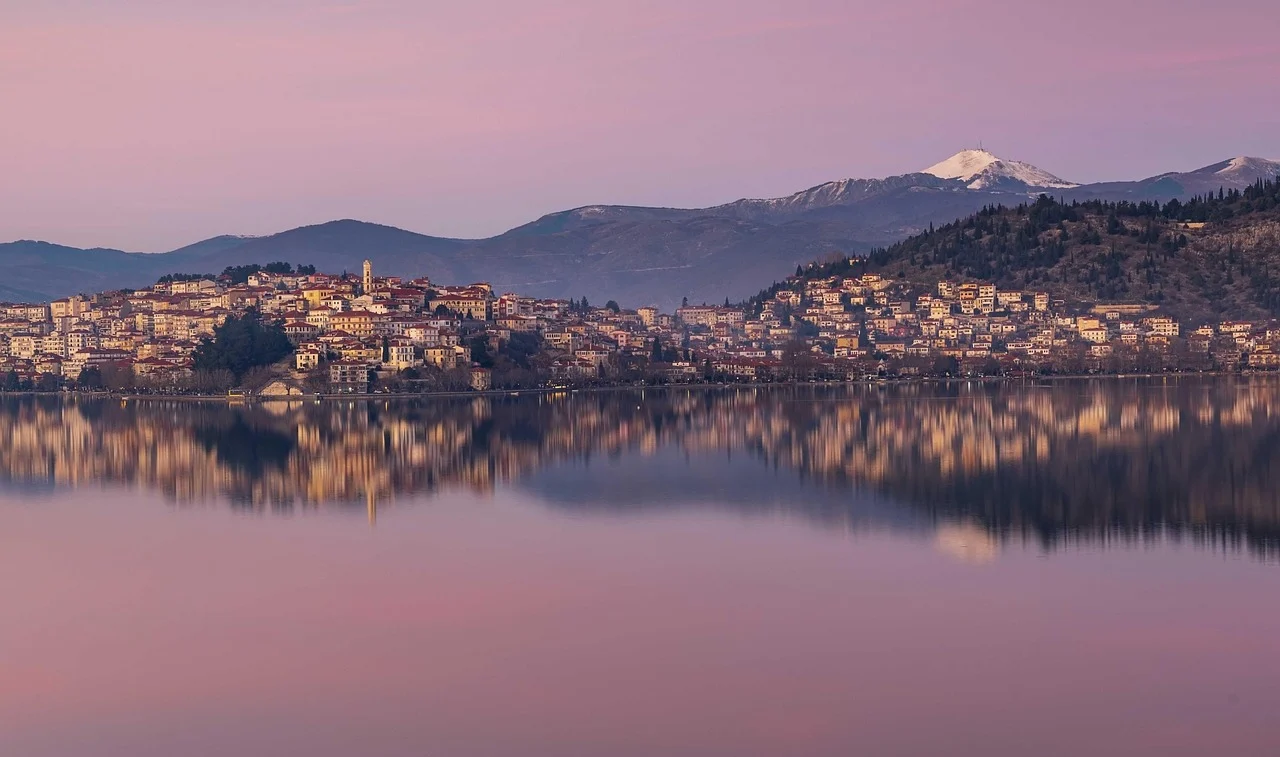
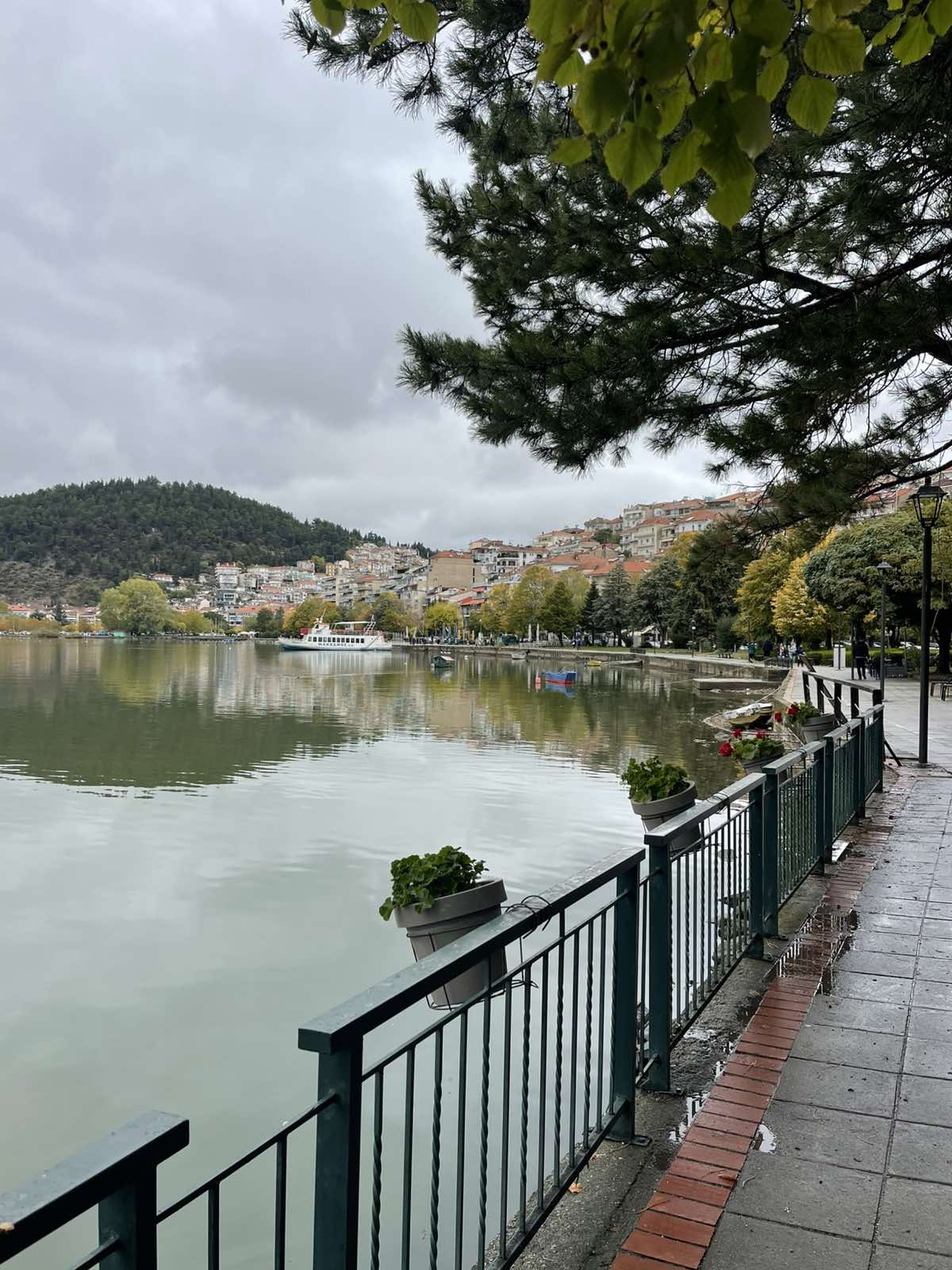
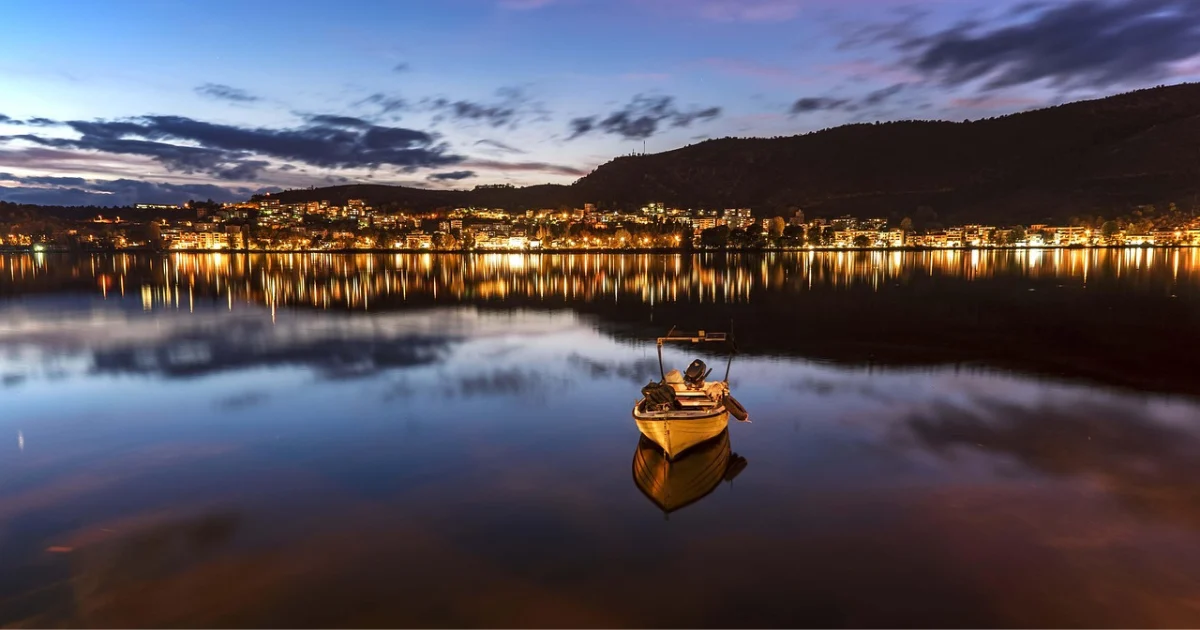
At the heart of Kastoria lies Lake Orestiada, often described as the soul of the town. Its surface is like a mirror, reflecting the red-roofed houses, Byzantine churches, and surrounding mountains. In autumn, the waters are edged with gold and crimson leaves; in winter, the lake is veiled in mist, creating an atmosphere of mystery. In all seasons, though, the lake is a home of many swans and different birds, which makes it look and feel even more magical. Birdwatchers will not be disappointed: pelicans, cormorants, and herons are enjoying the lake, adding to the sense that the town belongs as much to wildlife as to people. And this makes it a mirror of the meaning of mindfulness.

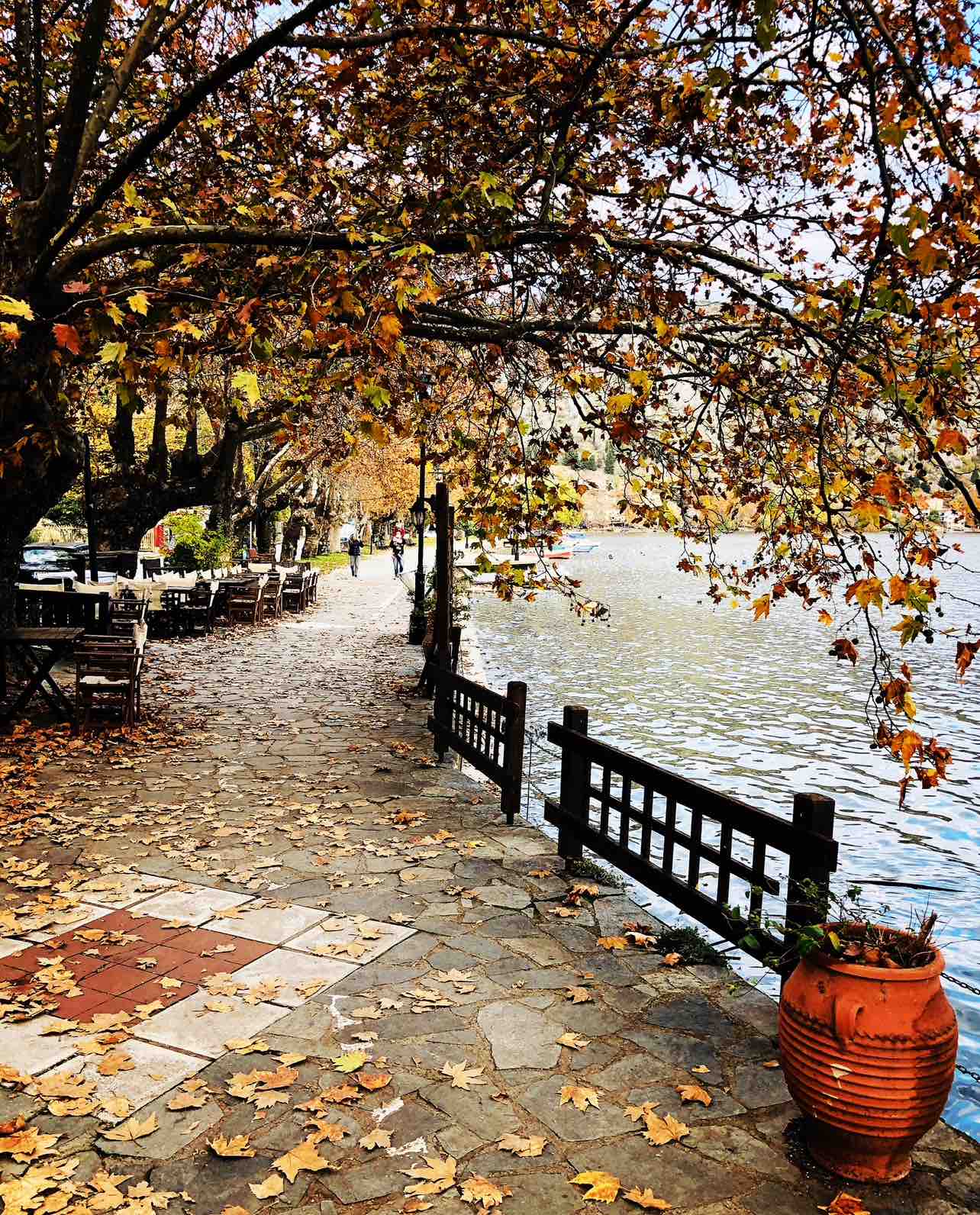
Walking along the promenade that circles the lake is one of the simplest yet most rewarding experiences. Locals stroll here daily, feeding ducks and swans or stopping at cafés that overlook the water. For visitors, it is a chance to absorb the pace of life in Kastoria—unhurried, grounded, and deeply connected to nature. There are many benches around the lake, where you can sit and enjoy your own thoughts with a cup of coffee or hand in hand with a loved one. On a personal note, I would say that this is one of the most romantic places in autumn.
The Byzantine Legacy
Many people refer to Kastoria as ‘the city of ‘72 churches’, associating it with the large number of Byzantine and post-Byzantine churches that are settled in town. Many of these churches, built between 9th and 19th centuries, still stand today, welcoming visitors from hidden corners and small alleys.
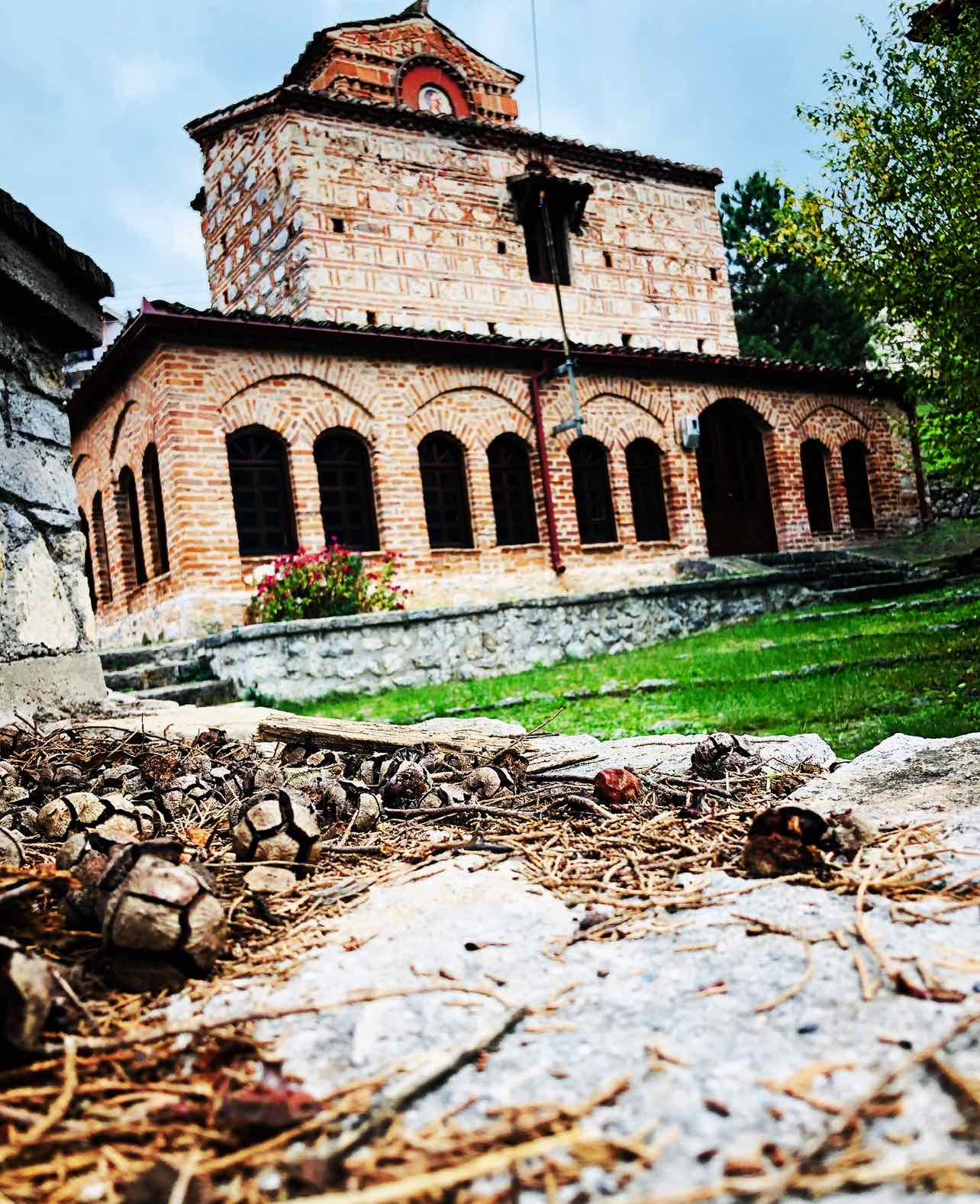
The Church of Panagia Koumbelidiki, dating to the 10th century, is one of the town’s most famous. Known for its unusual dome and well-preserved frescoes, it is an architectural jewel. Equally captivating is the Church of Agioi Anargyroi, also built in 10th century, with its vivid murals depicting saints and biblical scenes that transport you to a world where faith and art were inseparable. It is located in the northern side of the city and also has an exceptional fresco cycle, created by different painters in the 12th century.
The Byzantine Museum of Kastoria offers further insights, displaying icons and religious art from centuries past. Standing in front of these works, one can’t help but feel the weight of history—the devotion of artists who painted not just for beauty, but as an act of worship.
Good to know: the price of the ticket is 10 euro; the museum is closed on Tuesdays, the opening hours are 08:30-15:30 (November – March) or 08:30 – 17:00 (April – October).
Mansions and the Old Town
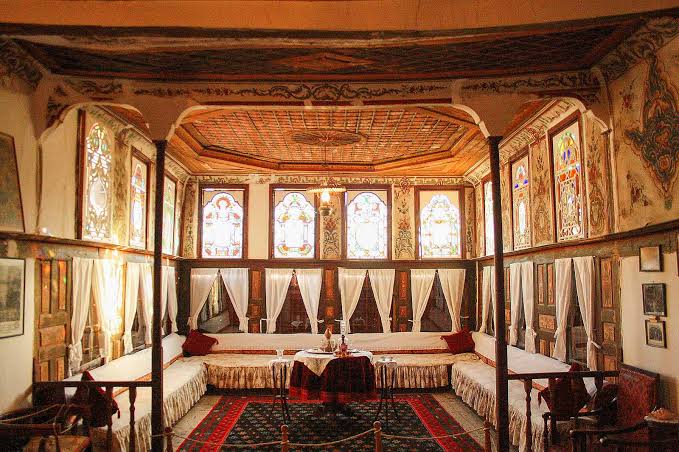
Beyond its churches, Kastoria tells another story: that of prosperity during the 17th to 19th centuries, when the fur trade brought wealth to the region. Merchants built grand mansions, particularly in the Doltso and Apozari neighborhoods. The two neighbourhoods are homes to 370 buildings with rich historical value. These stone houses, with their wooden balconies and ornate interiors, are now a window into the lifestyle of a bygone era.
Many have been lovingly restored and converted into boutique hotels or museums. The Folklore Museum, housed in a traditional mansion, allows visitors to step back into Kastoria’s aristocratic past—where embroidered textiles, carved furniture, and fur-lined garments spoke of affluence and artistry. If you visit Kastoria, keep in mind that this museum is closed on Mondays. The ticket price is 2 euro.
Wandering through Doltso is like walking through a history book. Narrow cobblestone streets wind between mansions and lead to small squares shaded by plane trees. The pace here is slow, as though the town itself insists that you take your time.
Seasonal Rhythms
What makes Kastoria truly unique is how it changes with the seasons.
- Autumn is perhaps the most enchanting time to visit. The lake shimmers with the reflections of fiery-colored trees, and the crisp air carries the scent of woodsmoke. Villagers prepare for the grape harvest, and tavernas begin to serve heartier dishes.
- Winter transforms Kastoria into a fairy-tale scene. Snow settles on the rooftops, and the lake often partially freezes. This is also the time of the Ragoutsaria Carnival in early January, when locals celebrate with costumes, music, and dancing—a tradition rooted in both Dionysian rites and Byzantine customs.
- Spring brings blossoms along the lake and fresh energy to the town. The Orthodox Easter celebrations, with their candlelit processions, fill the streets with a sense of renewal.
- Summer is warm but never stifling. The surrounding mountains provide cool escapes, and evenings by the lake are perfect for dining outdoors as the sun sets.
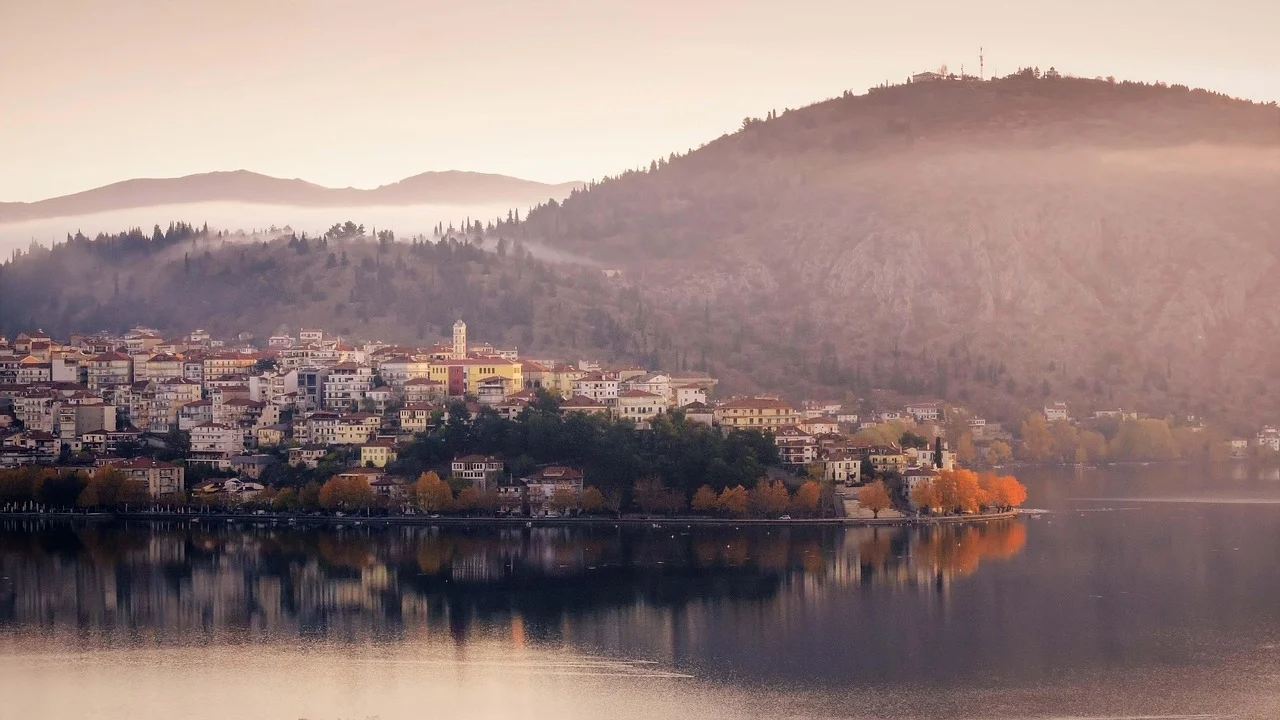
Each season in Kastoria offers not only a different landscape but a different way of living—a slower, more intentional rhythm tied to nature and tradition.
A Taste of Kastoria
No visit would be complete without indulging in the region’s culinary traditions. Kastoria’s cuisine reflects its northern geography, with hearty and comforting dishes.
- Giaprakia – stuffed cabbage leaves, often served during the winter months.
- Kouneli stifado – rabbit stew with onions and spices, a local specialty.
- Fresh lake fish, such as carp, prepared simply and served with herbs and lemon.
- Sweet treats like karydopita (walnut cake) paired with strong Greek coffee.
Wine lovers will find plenty to enjoy, as the nearby vineyards of Western Macedonia produce excellent varieties. Pairing local dishes with regional wines is part of the pleasure of slowing down at a Kastorian table.
Experiences Beyond the Town
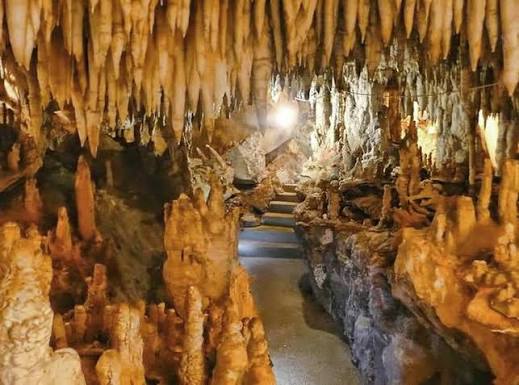
For those eager to explore further, Kastoria is surrounded by natural wonders. The Dragon’s Cave, on the edge of the lake, is a labyrinth of stalactites and underground lakes. The ticket is only 6 euro and the cave is open for visits every day except Mondays, from 9 am to 5 pm. The tour time is just 25-30 minutes, which makes it a very good ‘escape’ idea. Nearby mountain villages offer hiking trails through forests and past streams.
The town is also well-positioned for excursions into Epirus or Macedonia, making it an ideal base for travelers seeking both culture and adventure.
Why Kastoria?
Kastoria is not a place you “see” in a rush – it is a place you experience. It invites you to wander slowly, to pause by the lake, to enter a church and gaze at frescoes for longer than you planned, to linger over a meal without checking the time.
It is a destination that embodies the theme of this issue: slowing down with the seasons. In Kastoria, life is not measured in hurried schedules, but in the quiet moments between history and nature, tradition and modern life.
For those who seek a Greece beyond the familiar beaches and islands, Kastoria offers something rare – a chance to reconnect with the timeless art of simply being.
If you go
- Best time to visit: Autumn for colors, winter for carnival, spring for blossoms.
- Getting there: Kastoria is about 2 hours by car from Thessaloniki.
- Don’t miss: A walk around Lake Orestiada, Panagia Koumbelidiki church, Doltso mansions, Dragon’s cave.
Was this useful?