
The ancient art of welcoming strangers as friends
If there is one word that captures the soul of Greece, it is philoxenia. Literally translating to “friend to the stranger”, this centuries-old concept goes far beyond simple politeness. It is a sacred cultural value, an unwritten law that shapes the way Greeks open their homes, share their tables and welcome others into their lives.
Philoxenia is not something learned; it is instead something lived and experienced. Whether you are staying in a luxury hotel or visiting a remote mountain village, you will feel it everywhere, from a grandmother insisting you take a second plate of food to a fisherman offering you coffee by the sea. It is the warmth that turns visitors into guests and guests into lifelong friends.
The origins of philoxenia stretch back to ancient Greece, where hospitality was not merely encouraged, it was rather a moral duty. In Homer’s Odyssey, Zeus himself is called Zeus Xenios, protector of travellers and guests. To mistreat a stranger was equal to offending the gods. In those times, travellers had little means of communication or planning. When they arrived in an unfamiliar land, they depended on the kindness of strangers. Offering shelter, food and safety was seen as both an act of humanity and a divine obligation. This spirit survived through centuries of change, including Byzantine, Ottoman and modern eras. Today, though the form may differ, the essence remains: to host with an open heart and no expectation of return.
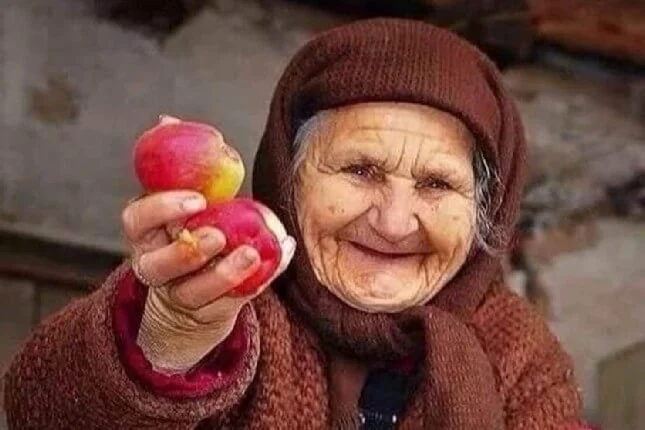
In modern Greece, philoxenia is not confined to grand gestures. It’s present in the everyday interactions that define Greek life. Walk into a small taverna in the countryside, and chances are the owner will treat you like an old friend. You’ll be offered a complimentary dessert or a glass of tsipouro “on the house.” If you compliment the food, you might be invited into the kitchen to meet the cook. In villages, it is common for strangers to be offered coffee or sweets simply for passing by. Even in bustling Athens, taxi drivers strike up conversations that end with restaurant tips or stories about their family.
Philoxenia is also evident in Greek celebrations. Weddings, baptisms, and local festivals (panigiri) often involve entire communities, and guests (invited or not) are welcomed without hesitation. Everyone is fed, everyone dances, everyone belongs.
To understand philoxenia is to see it not just as kindness, but as a philosophy of connection. Greeks view hospitality as a reflection of character, a measure of one’s generosity and respect for humanity.
Anthropologists have long noted that Greece’s mountainous geography and village-based life fostered strong community bonds. Isolation made mutual support essential. Welcoming outsiders became both a moral and practical virtue, an exchange of trust that strengthened social fabric. But there is also something emotional at play. Greeks take genuine pride in making others feel comfortable. A guest’s happiness is seen as the host’s success. This emotional generosity is what gives Greek hospitality its depth, it’s not transactional, but rather personal.

As Greece evolved into one of the world’s most beloved travel destinations, philoxenia became both a cultural identity and a tourism hallmark. The country’s reputation for warm, personal hospitality is one reason visitors return year after year. Hotels and guesthouses often blend luxury with intimacy. Owners greet guests by name, share homemade breakfasts and offer local advice. The best Greek stays feel less like accommodation and more like being welcomed into someone’s home. The Greek National Tourism Organization (GNTO) has even used philoxenia as a key part of its global branding, emphasizing that Greece is not just a place to visit, but a place to belong. However, true philoxenia cannot be manufactured, it must come from the heart. Even in the most remote villages, where tourism barely touches, you will find its purest form: unplanned, unpolished and deeply sincere.
To host in Greece is to offer the best of what you have, whether that’s a full meal or a simple coffee. There’s an art to it, a balance between generosity and genuine warmth.
- Food at the center: No Greek gathering happens without food. Even unexpected guests will find a table being set, often with mezze, olives, and bread appearing almost magically.
- The personal touch: Greeks believe in looking after their guests personally. It’s not unusual for a host to walk you back to your car or give you a small gift when you leave.
- Conversation as connection: Hosting is also about sharing stories. Greeks love to talk, not to fill silence, but to connect hearts.
To experience this firsthand is to realize that philoxenia is as much about emotional nourishment as physical comfort.
Lessons from Philoxenia
In a world that often feels hurried and impersonal, philoxenia offers a gentle reminder of what it means to slow down and connect. It encourages us to:
- Be present: True hospitality comes from genuine attention like listening, noticing, and caring.
- Share freely: Generosity does not diminish what we have, it multiplies it.
- See strangers as friends not yet met: The heart of philoxenia lies in openness, in seeing humanity beyond difference.
It’s a lesson Greece has been teaching for thousands of years, one guest at a time.
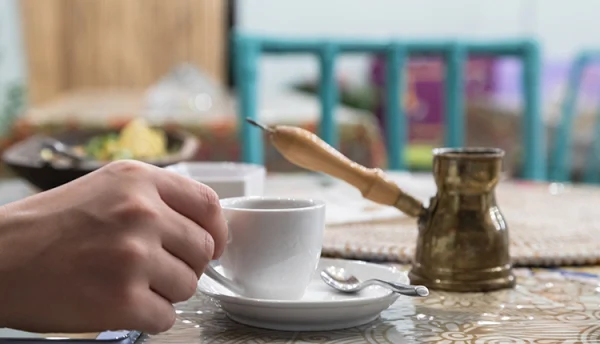
To truly understand philoxenia, you must experience it. Try staying in family-run accommodations, where hosts often invite guests for home-cooked meals. Attend local festivals, where everyone is welcome. Accept spontaneous invitations for coffee or ouzo, it’s never just about the drink, it’s more about the moment shared.
Visitors who embrace this openness often find that Greece gives back in ways they didn’t expect: friendships formed over chance encounters, invitations to family dinners, heartfelt goodbyes that feel like farewells between old friends.
Philoxenia is not just a cultural trait, it’s a way of life that transforms both giver and receiver. It’s the warmth that lingers after a meal, the laughter shared with someone you’ve just met, the feeling of being seen and welcomed simply for who you are. In Greece, hospitality is not a service, it’s a story that continues to be written, guest by guest, season by season.
So, when you next visit, accept the extra dessert, the invitation for coffee or the friendly chat that turns into dinner. Because in Greece, every act of welcome is a reminder of something timeless: the joy of connection.
Was this useful?