
The Core Identifier: Property Registry Numbers (AMA)
At the foundation of Greece’s short-term rental oversight is the AMA number (Arithmos Mitroou Akinitou). Managed by the Independent Authority for Public Revenue (AADE), the AMA is a mandatory unique registration number required for any property listed on online platforms such as Airbnb, VRBO or Booking.com.
How the AMA System Functions
- Mandatory Disclosure: An active AMA number must be prominently displayed on every online listing, marketing channel or promotional material associated with the property.
- Tax Alignment: The AMA directly links listing revenue to the property owner’s or manager’s tax file number (AFM). Income generated via short-term rentals is cross-referenced automatically by tax authorities using platform data-sharing agreements.
- Non-Compliance Penalties: Failure to display a valid AMA or attempting to operate with an improper registration, carries severe financial penalties. Fine structures start at €5,000 and can escalate quickly up to €20,000 for repeated violations, accompanied by mandatory removal from listing platforms.
Mandatory Safety Equipment and Property Standards
To raise hospitality standards and bring short-term rentals in line with traditional accommodation sectors, Greece has codified strict operational and safety requirements for STR properties. Operators are required to equip units with specific safety infrastructure before receiving guests. Key mandatory safety features include:- Fire Safety Installations: Properties must be equipped with certified fire extinguishers placed in accessible areas, alongside functional smoke detectors installed in all sleeping and living spaces.
- First Aid Kits: A standard, fully stocked emergency first-aid kit must be kept on-site and easily accessible to guests.
- Emergency Information & Evacuation: Clear instructions detailing emergency contact numbers (police, ambulance, fire service) and basic exit pathways must be made available inside the property.
- Carbon Monoxide Detectors: For properties utilizing gas appliances, fireplaces, or fuel-burning heaters, carbon monoxide (CO) detectors are mandatory.
Mandatory Civil Liability Insurance
In addition to physical safety gear, property investors are legally required to hold valid civil liability insurance tailored specifically for short-term rental operations. Standard home insurance policies typically do not cover commercial activity or short-term paying guests. The required civil liability coverage must explicitly cover third-party personal injury, property damage and accidental losses sustained by guests during their stay.- Minimum Coverage Expectations: Insurance policies must meet baseline regulatory thresholds covering bodily injury and third-party damages per incident.
- Proof of Compliance: Proof of active coverage may be requested during spot audits conducted by municipal or tax authorities. Operating without adequate liability coverage risks immediate suspension of operational privileges.
- No Storage or Auxiliary Conversions: Basements, storage rooms (apothikes), garages, or spaces legally classified as auxiliary or utility zones cannot be registered or operated as short-term rentals.
- Certificate of Primary Use: Properties must possess valid documentation certifying that the unit is designated for primary residential use. Conversions from commercial to residential spaces must complete full legal change-of-use filings through certified civil engineers before applying for an AMA.
- Structural Integrity & Hygiene: Units must meet national building, ventilation, natural lighting and sanitation requirements to guarantee guest health and safe living conditions.
Location Caps and Registration Freezes in Saturated Zones
To balance tourism expansion with local housing availability, the Greek government has instituted location-based caps and temporary freezes on new short-term rental registrations in high-density urban areas.
The Impact on Saturated Neighborhoods
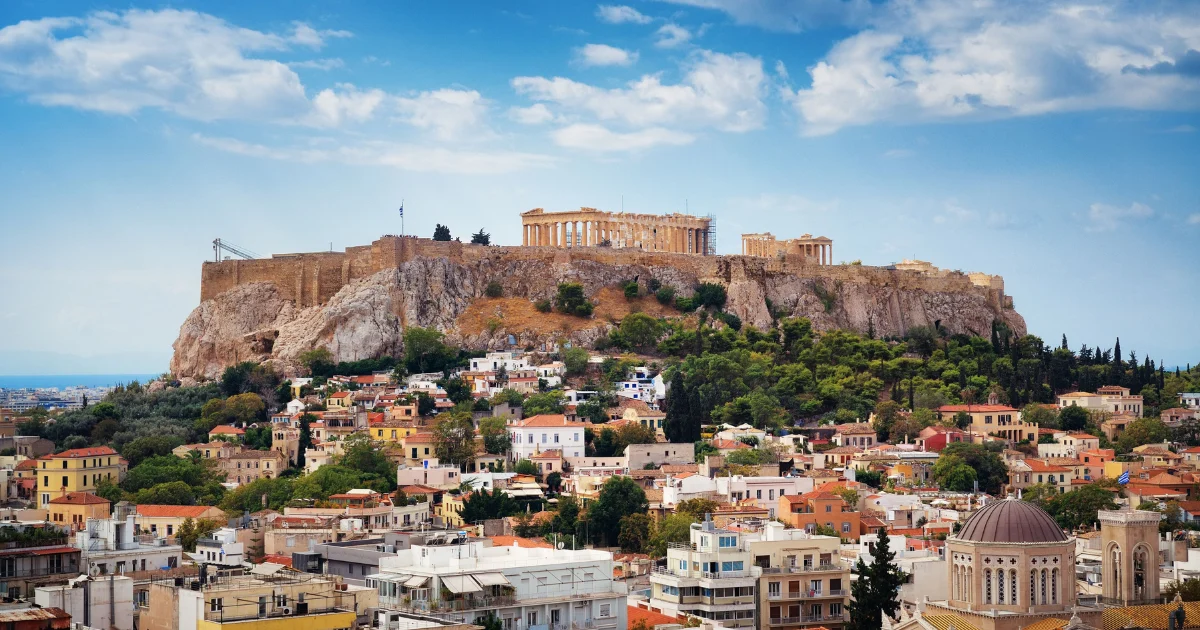
- Athens Municipal Freezes: High-demand central districts in Athens, including areas within the 1st, 2nd, and 3rd municipal departments (such as Koukaki, Plaka, Monastiraki, Pangrati, and Exarchia), have faced freezes on issuing new AMA registration numbers.
- Thessaloniki Municipal Freezes: The restrictions focus on the city’s tourism and commercial centre, including the historic centre (zones like Ladadika and the wider port district), the waterfront stretching up to the White Tower, landmark and student-heavy areas like Rotonda, Kamara, Navarinou Square and Ano Poli.
- Grandfathering Existing Units: Properties with active, existing AMA numbers issued prior to restriction deadlines are generally permitted to continue operating, provided they comply with all safety and tax rules. However, new investors cannot acquire unregistered units in these specific zones and turn them into new Airbnb listings.
- Potential for Municipal Expansion: The framework allows authorities to expand location caps and registration halts to other saturated tourist markets (e.g., specific island sectors or regional centers) based on local housing index metrics.
Strategic Takeaways for Property Investors
Navigating the evolving short-term rental landscape in Greece requires a pivot toward compliance-first investment strategies:- Due Diligence Beyond Yield: When evaluating potential acquisitions, verify whether the target neighborhood is subject to registration freezes or local capacity caps.
- Prioritize Existing Registrations: In capped urban zones, properties already possessing valid, transferable STR licenses or established operating histories carry a distinct legal advantage.
- Factor Compliance into Capex: Account for the cost of professional engineering audits, safety equipment installations, and specialized commercial liability insurance policies when modeling your property’s budget and projected ROI.
- Explore Alternative Models: Investors looking at restricted urban zones may consider mid-term rentals (1–12 month corporate or digital nomad leases) or long-term residential leases, which remain exempt from short-term location caps and safety equipment mandates.
Frequently asked questions
What is an AMA number and do I need one to list on Airbnb in Greece?
The AMA (Arithmos Mitroou Akinitou) is a mandatory property registration number issued by the tax authority AADE for any property listed on platforms such as Airbnb, VRBO or Booking.com. It must be displayed on every listing and links rental income to the owner’s tax file, and it must be obtained through the AADE portal before hosting guests.
What is the fine for operating a short-term rental without an AMA in Greece?
Fines start at 5,000 euros and can escalate to 20,000 euros for repeated violations, together with mandatory removal from listing platforms.
What safety equipment is required in Greek short-term rentals?
Certified fire extinguishers in accessible areas, smoke detectors in all sleeping and living spaces, a stocked first-aid kit, clear emergency contact and exit information inside the property, and carbon monoxide detectors wherever gas appliances, fireplaces or fuel-burning heaters are used. Civil liability insurance covering guest injury and damage is also mandatory.
Can I turn a basement or storage room into an Airbnb in Greece?
No. Basements, storage rooms, garages and spaces classified as auxiliary cannot be registered as short-term rentals. Units need documentation certifying primary residential use, and commercial-to-residential conversions must complete a legal change of use through a certified civil engineer before an AMA application.
Where in Greece are new Airbnb registrations frozen?
Central Athens districts in the 1st, 2nd and 3rd municipal departments, including Koukaki, Plaka, Monastiraki, Pangrati and Exarchia, and central Thessaloniki including Ladadika, the port district, the waterfront up to the White Tower, Rotonda, Kamara, Navarinou Square and Ano Poli. Existing AMA holders can generally keep operating, and the framework allows caps to be extended to other saturated areas.
Was this useful?