Building real friendships, not just contacts, in Greece
Relocating to Greece can feel like stepping into a dream — sunshine, sea views, and a slower rhythm of life that so many crave. But after the initial honeymoon phase, many expats realise that blending into the local community takes more than enjoying frappés by the water or learning a few Greek words.

Greeks are famously warm and generous, yet also deeply rooted in tradition and tight-knit social circles. Integration doesn’t happen overnight, but when it does, it’s life-changing. Here’s how to move beyond “tourist mode” and build genuine connections that make Greece truly feel like home.
1. Learn the language — even just a little
You’ll hear it from every expat who’s successfully settled here: Greek opens doors. Even if you never reach fluency, simple efforts like greeting your grocer with “Kaliméra” (good morning) or thanking the waiter with “Efharistó” instantly change the energy of an interaction.
Language is tied to identity and pride. Showing respect for it earns trust. Enrolling in a beginner’s Greek course — either online or at a local Koinotiko Kentro (community centre) — can help you navigate bureaucracy, but more importantly, it shows commitment to your new home and would definitely change the attitudes of locals towards you.
💡 Pro tip: Greeks will often switch to English to help you, but politely insist on trying Greek. They’ll appreciate your effort and often teach you slang or local expressions in return.
2. Join community activities and volunteer
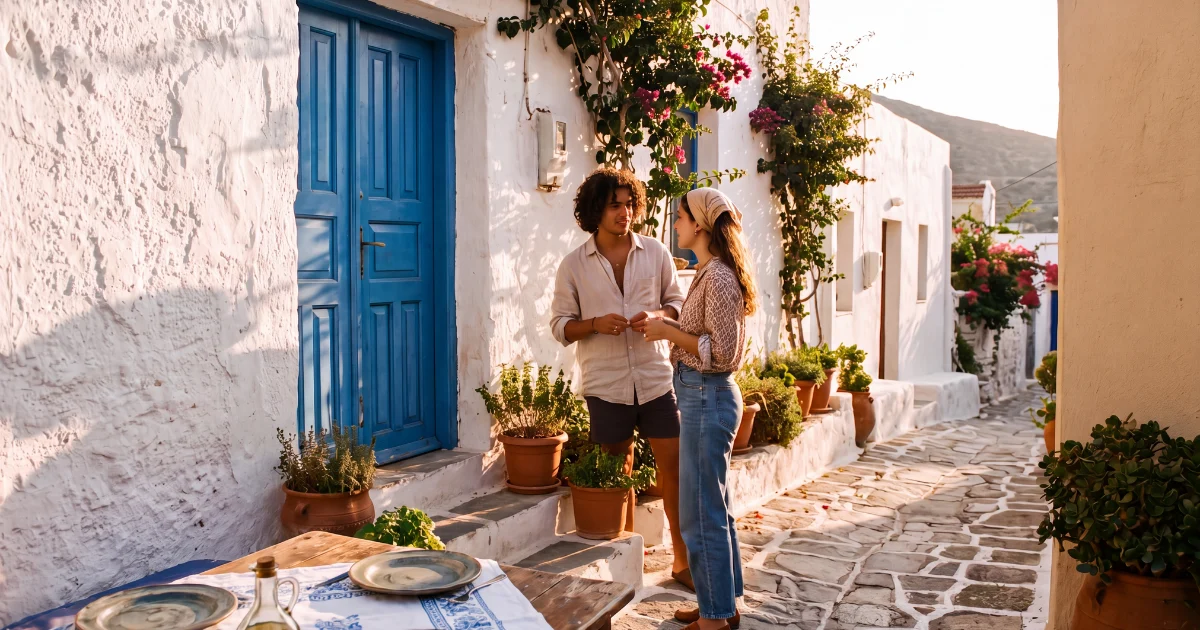
One of the easiest ways to integrate is to contribute. Many towns and islands have volunteer groups for beach clean-ups, animal shelters, local festivals, or refugee support. These are wonderful opportunities to meet Greeks outside professional circles.
You might find yourself picking olives with a family, helping decorate the village square for a name-day celebration, walk shelter dogs or assisting at a cultural festival — moments that build real bonds.
💡 Where to look:
- Municipality or Koinotiko Kentro boards
- Facebook groups like “Expats in Athens” or “Volunteering Greece”
- NGOs and cultural foundations (e.g. ELIX, The Smile of the Child, Hellenic Red Cross)
3. Show up — consistently
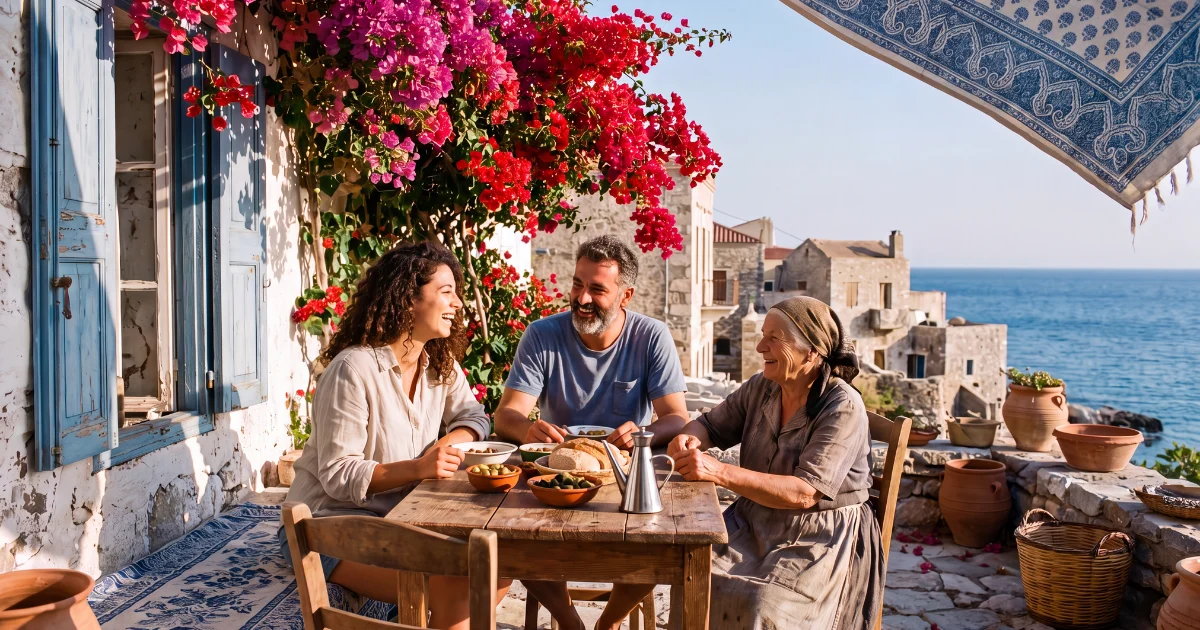
In Greece, relationships develop through repetition. Locals notice the regulars. Visit the same bakery, taverna, or café instead of hopping between spots, and you’ll quickly move from “the foreigner” to “our friend Lucy.”
Buy your bread from the same fournos, attend the local market every Saturday, and you’ll naturally find yourself in conversations about food, weather, football, and eventually life. Greeks value presence and loyalty, not small talk.
4. Embrace local customs and celebrations
If you want to understand Greeks, join them in celebration. Participate in Easter, Apokries (Carnival), name-days, and village panigyria (traditional festivals). Even if you don’t fully grasp the rituals, your willingness to take part shows respect.
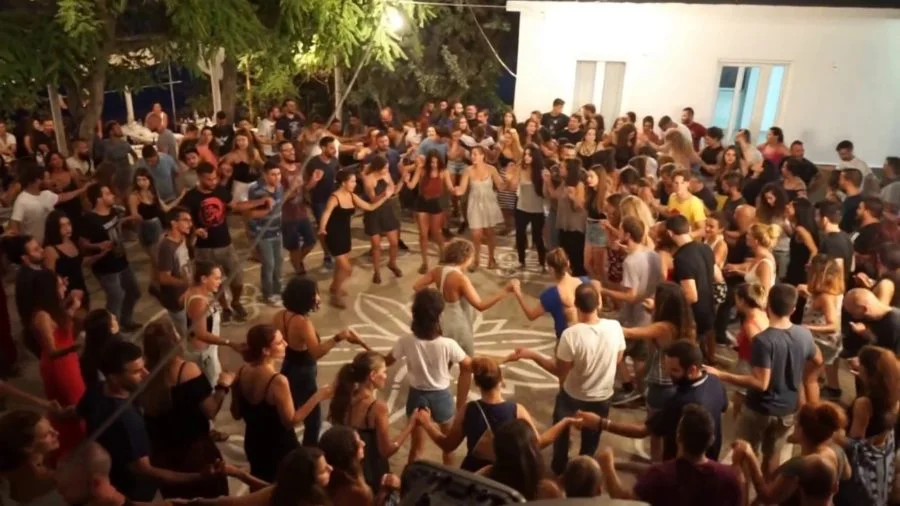
At Easter, locals might invite you to crack red eggs (tsougrisma) or share roast lamb. In summer, every island has a festival under the stars, where strangers become dance partners before the night ends.
💡 Pro tip: Bring a small gift (like wine, sweets, or flowers) when invited to someone’s home. It’s a simple gesture that goes a long way in Greek culture.
5. Understand “Filotimo” — the Greek heart
Perhaps the hardest Greek word to translate, filotimo means “love of honour,” but it’s really a blend of generosity, dignity, and kindness. It drives Greeks to help others, offer coffee to a stranger, or insist you take the last piece of dessert.
Understanding filotimo means understanding Greek hospitality (philoxenia) on a deeper level. When someone welcomes you into their home, it’s more than politeness — it’s a heartfelt extension of trust. Reciprocate it with gratitude and sincerity, and you’ll never feel like an outsider again.
6. Build friendships slowly but sincerely
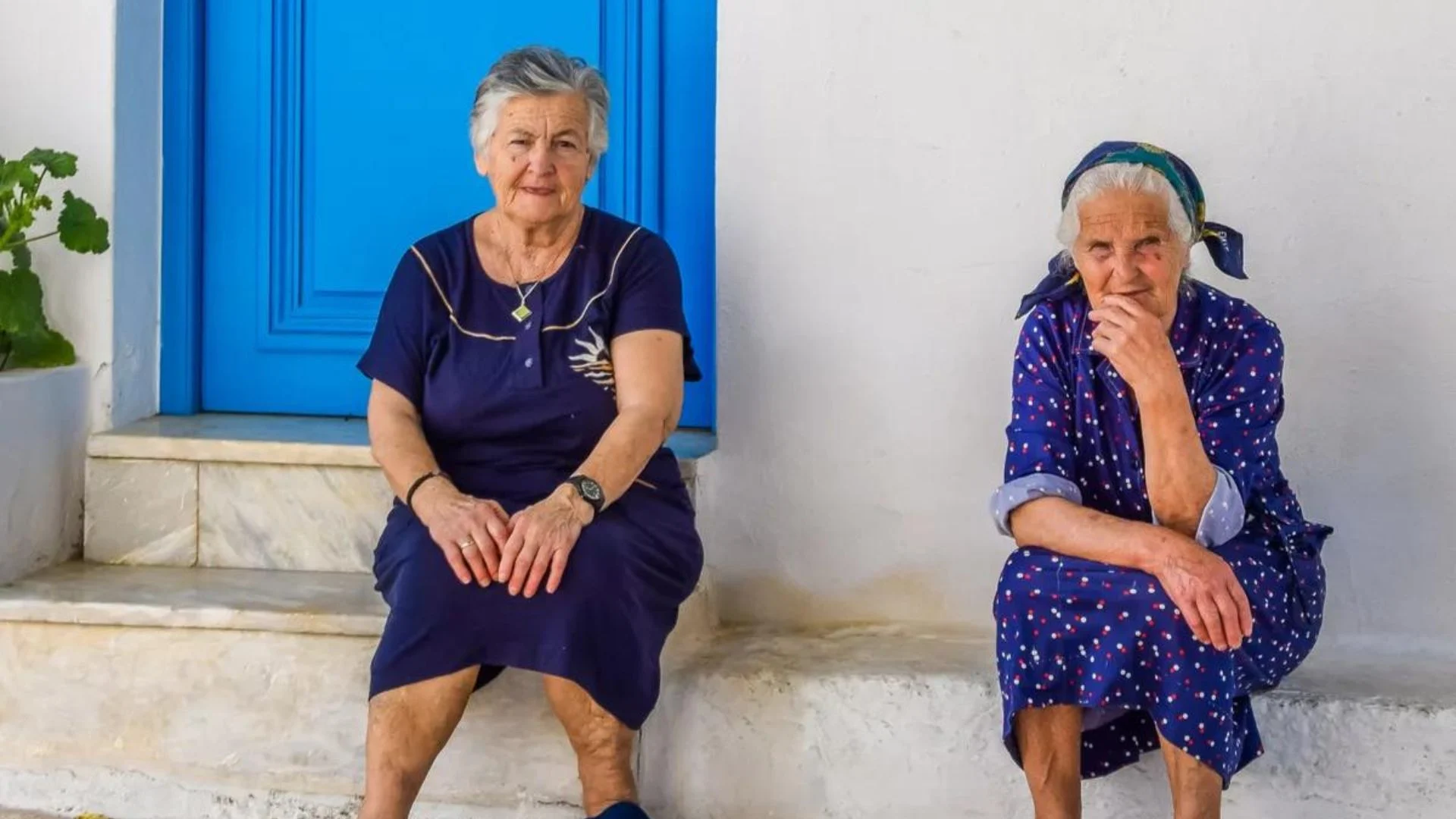
In many cultures, people socialise easily but remain distant. In Greece, it’s often the opposite: initial reserve followed by deep warmth once trust is earned. Don’t rush it. Genuine relationships take time, and Greeks value authenticity over convenience.
A typical Greek friend might call daily, drop by unannounced, or insist you join family gatherings — signs that you’re truly “in.” Until then, patience and consistency are key.
💡 Cultural note: Punctuality is flexible, and plans often change spontaneously. Go with the flow — it’s part of the charm.
7. Connect through food and coffee
Greek culture thrives around the table. Whether it’s sharing meze at a seaside taverna or sitting for hours over a freddo espresso, meals are about connection, not just eating.
Invite neighbours or colleagues for dinner or accept invitations whenever they come. Cooking Greek dishes — even imperfectly — is an instant ice-breaker. Try gemista (stuffed tomatoes/peppers), moussaka, or homemade spanakopita, and locals will gladly share their family secrets for improvement.
8. Mix expat and local circles
Many expats fall into the comfort of staying within foreign communities. While this provides support, it can unintentionally isolate you. Aim for a hybrid social life: join international networks for practical advice but balance it with local connections.
Attend language exchange nights, local concerts, or sports clubs — anywhere Greeks and foreigners mix naturally. For digital nomads, co-working spaces often host meet-ups that blend both worlds. Many groups and communities on Facebook also organise such events.
9. Respect local rhythms
Integration also means syncing with Greece’s pace of life. Bureaucracy might (and most likely will be) very slow, shops might close for siesta, and conversations might last longer than planned — but behind that rhythm lies a philosophy of balance.
Greeks know how to enjoy life in moments: coffee at 11 am, family lunch on Sunday, evening strolls (volta) by the sea. When you stop fighting the pace and start living it, Greece starts to feel like home.
10. Give back what you receive
Once you’re settled, pay the hospitality forward. Help new arrivals, volunteer at local events, or simply invite a neighbour for coffee. Integration is reciprocal — when you contribute, you’re no longer just living in Greece, you’re already a part of its ongoing story of filoxenia and community.
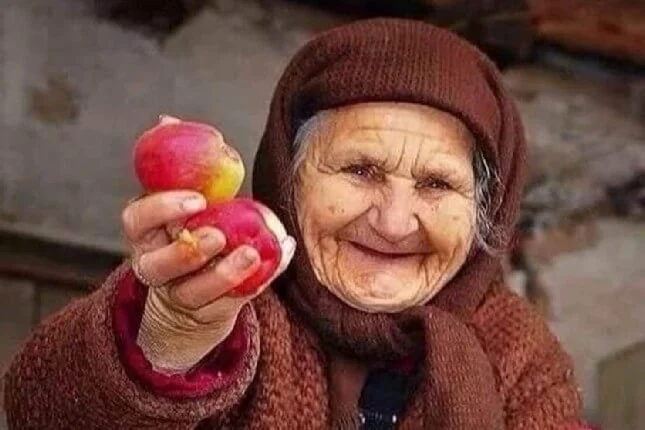
Integration in Greece is less about strategy and more about sincerity. It’s a country where hearts open slowly but fully, where shared meals become lifelong memories, and where community is built through countless small acts of kindness. So, show up. Learn a few words. Share a smile. And remember — in Greece, friendships aren’t made in a day, but once made, they last a lifetime.
Was this useful?