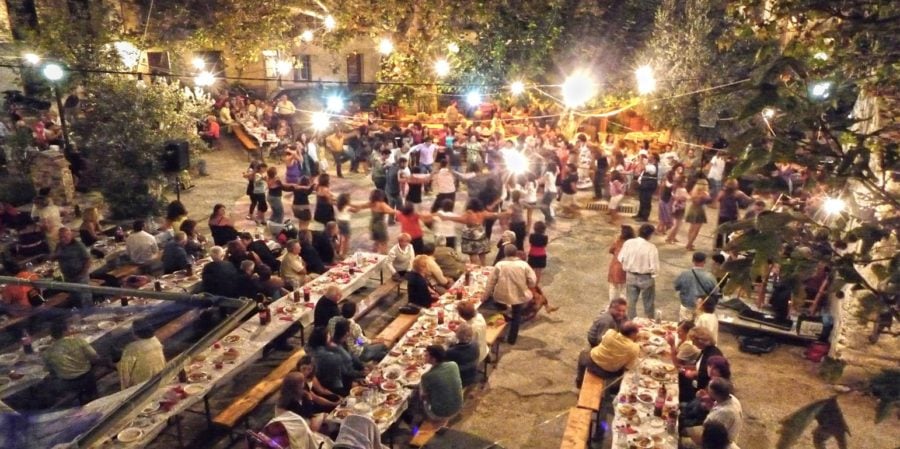
When the sun sets over a whitewashed village square and the air fills with the scent of grilled lamb, sweet wine, and wild oregano, you know you’re at a Panagiri — the heartbeat of Greek summer.
Held under the stars and fuelled by music, dance, and endless hospitality, Panagiria (plural of Panagiri) are more than festivals — they’re a deeply rooted cultural tradition that blends the sacred with the celebratory, where locals and visitors become one.
What is a Panagiri?
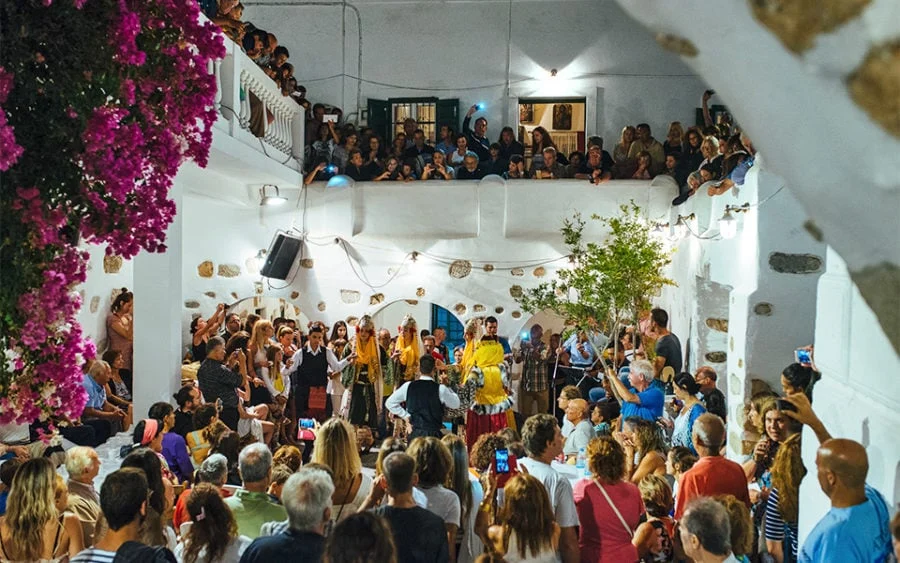
A Panagiri (Πανηγύρι in Greek) is a traditional village festival, usually held in honour of a local saint’s feast day. Most take place in the summer, especially between July and mid-September, with August 15 (Dekapentavgoustos, the Assumption of the Virgin Mary) being the biggest celebration across the country.
Rooted in religious customs but overflowing with secular joy, a Panagiri usually includes:
- A religious service at a chapel or monastery
- Traditional live music (think violins, lutes, and clarinets)
- Homemade food and wine
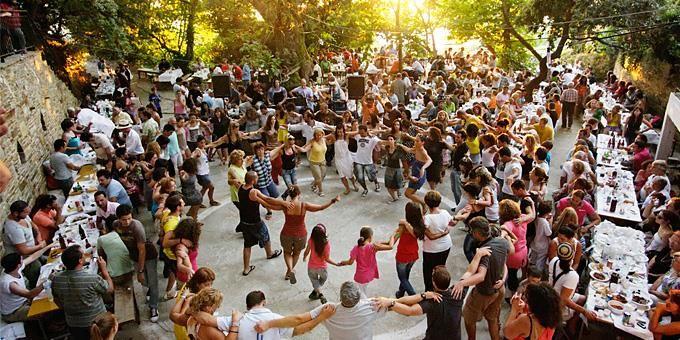
- Circle dancing that lasts until dawn
Why You Should Go
Panagiria offer something few experiences can match: raw authenticity. No staged performances, no curated Instagram traps — just locals sharing their joy, food, and music with anyone willing to join.
Whether you’re in Ikaria, Naxos, Pelion, or Epirus, a Panagiri will show you the soul of Greek life: togetherness, rhythm, and a deep connection to the land and tradition.
What to Expect at a Panagiri
1. The Music
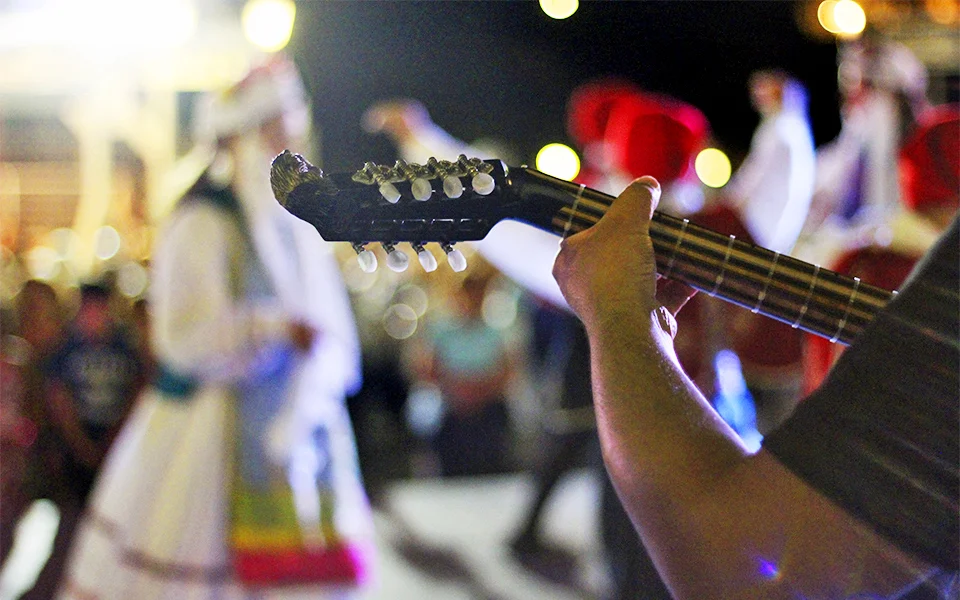
The music is the beating heart of every Panagiri. Depending on the region, you’ll hear:
- Island tunes with violins and lute
- Mainland clarinet-based folk songs
- Cretan lyra and danceable rhythms
Often the same song lasts for 10+ minutes, repeated and improvised — a kind of trance-like invitation to keep dancing.
2. The Dancing
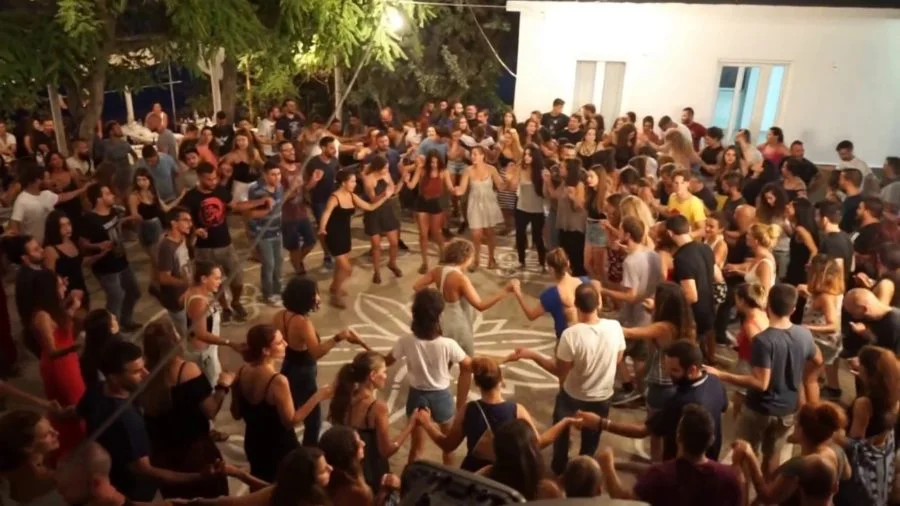
Everyone joins in — from toddlers to grandmothers. The main form is circular dancing, where you hold hands and follow the lead. Don’t worry if you don’t know the steps. Follow the rhythm, smile, and someone will guide you. You will learn faster than you think. But most importantly, you will have so much fun!
3. The Food & Drink
Expect hearty, local cuisine cooked in large open-air pots:
- Goat or lamb stew
- Grilled souvlaki
- Greek salads with crusty bread
- Local wine or tsipouro in abundance
The food is often simple but cooked with care — and almost always served with a smile and a “Kali orexi!” (Enjoy your meal!)
Top Panagiria to Experience
- Ikaria (July–August): Famous for wild, all-night dancing and a unique sense of time. Some festivals go until 10 a.m. the next day.
- Tinos (August 15 in the church of Panagia Evangelista): popular for pilgrim visits
- Naxos (August 15 in Filoti): The biggest Panagiri on the island, held on a mountain slope with thousands of attendees.
- Lesvos (Agia Paraskevi, July 26): A week-long celebration with horse parades, traditional crafts, and music.
- Crete (August 15): Each village has its own take, from coastal fish feasts to highland goat roasts.
- Sifnos (August 15): in the village of Apollonia, a big panigiri takes place including a lot of festivities, traditional music and local dances reflecting the island’s rich heritage
Practical Tips for First-Timers
- Bring cash: Most Panagiria are cash-only, especially in small villages.
- Dress casually but respectfully: Avoid beachwear — go for light, comfortable clothes with covered shoulders if attending the religious service.
- Pace yourself: The night is long. Greeks dance and eat in rounds — don’t peak too early!
- Be social: Don’t hesitate to sit with strangers. It’s all about connection.
- Ask locals: Taxi drivers, shopkeepers, or your Airbnb host will know when the next Panagiri is.
A Panagiri is not just an event — it’s a window into the Greek spirit: warm, proud, generous, and joyfully unhurried. Whether you stumble upon one by accident or plan your entire trip around it, one thing’s for sure: you’ll never forget dancing under the stars to music you don’t understand, surrounded by people who treat you like family.
Because in Greece, everyone is welcome at the table — and on the dance floor.
— Greece Enthusiast Team
Was this useful?