
In Greece, the cycle of the seasons is not just a natural phenomenon. It’s a story, one that has been told and retold for thousands of years. Long before calendars and weather forecasts, the Greeks understood the world through myth. Among their most enduring tales is that of Persephone, the goddess whose journey between light and darkness gave birth to the rhythm of the seasons and continues to symbolize renewal, loss, and rebirth.
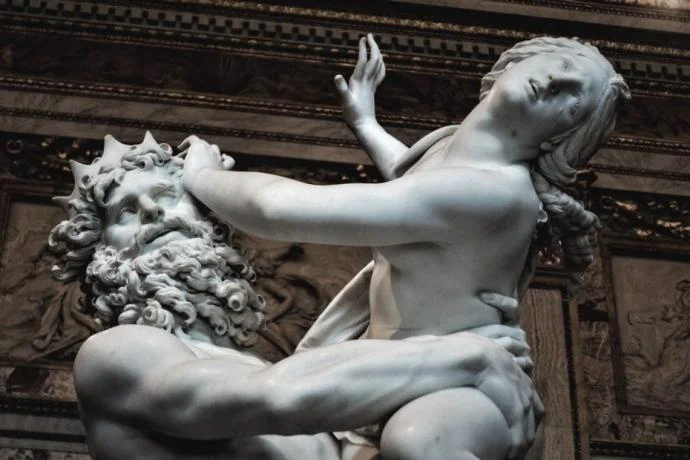
This ancient story is not just carved into marble or painted on vases, it still lives in the way Greeks experience time, celebrate harvests and find meaning in nature’s endless turning.
According to Greek mythology, Persephone, daughter of Demeter, the goddess of agriculture and fertility, was a radiant maiden loved by all. One spring day, as she wandered through a meadow gathering wildflowers, the earth suddenly split open and Hades, the god of the underworld, emerged in his golden chariot. Enchanted by her beauty, he carried her away to become his queen beneath the earth.
When Demeter discovered her daughter’s disappearance, grief consumed her. She abandoned her duties, and the fertile earth grew barren. Crops withered and famine spread among mortals. In response, Zeus intervened, sending Hermes to negotiate Persephone’s return.
But before she could leave, Hades offered Persephone a handful of pomegranate seeds. She ate a few, not realizing that those who taste food from the underworld are bound to it forever. Thus, a compromise was struck: Persephone would spend part of the year with her mother above the earth and the rest with Hades below. Each time she returns, the world blossoms into spring and summer; when she descends, the land mourns and winter takes hold. It is a story of balance between life and death, joy and sorrow, abundance and stillness.

The myth of Persephone is more than an explanation for seasonal change. It is a reflection of Greece’s deep connection to the cycles of nature and the sacred feminine forces that govern them. Persephone’s descent into the underworld symbolizes the dormancy of nature, a time for rest and renewal. Her return represents fertility, abundance and hope. Even today, this duality can be felt in Greek culture in the way people mark time by planting and harvest seasons, in the way life slows in winter and bursts into energy in spring.
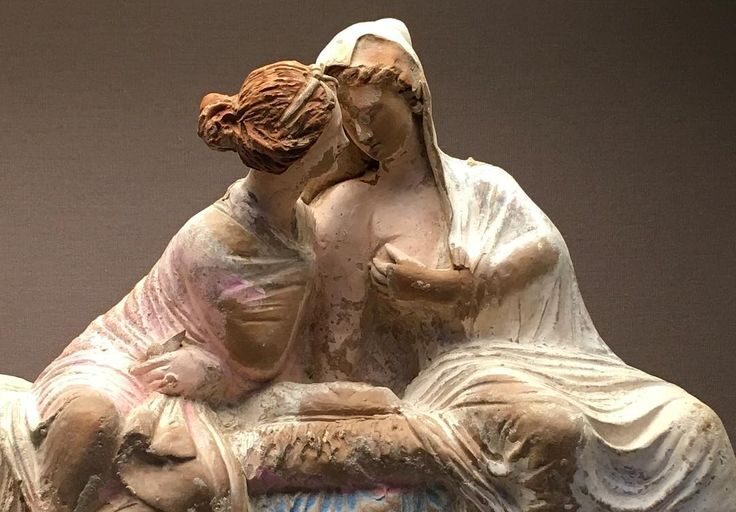
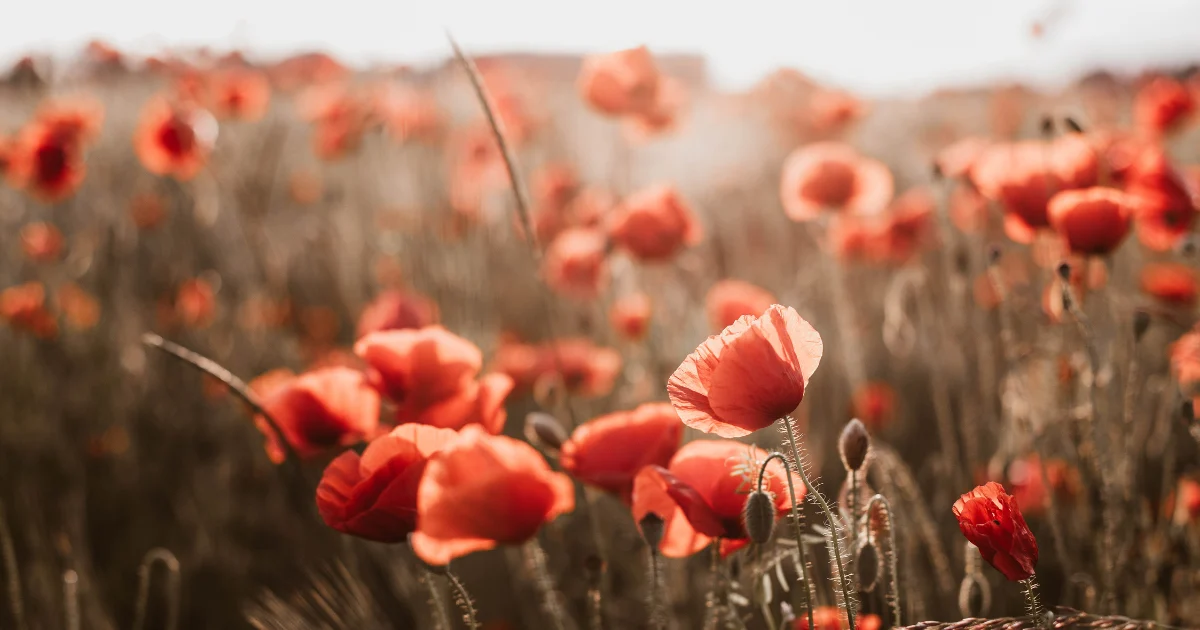
Though few Greeks today actively worship the old gods, their spirit lingers in everyday life. The myth of Persephone continues to shape the nation’s seasonal consciousness, a way of living in harmony with change rather than resisting it. Each year, as spring arrives, the country comes alive in celebration. Fields of red anemones, poppies, and wild herbs echo Persephone’s floral meadow. Easter, Greece’s most important holiday, coincides with this season of resurrection, another echo of the same eternal return.
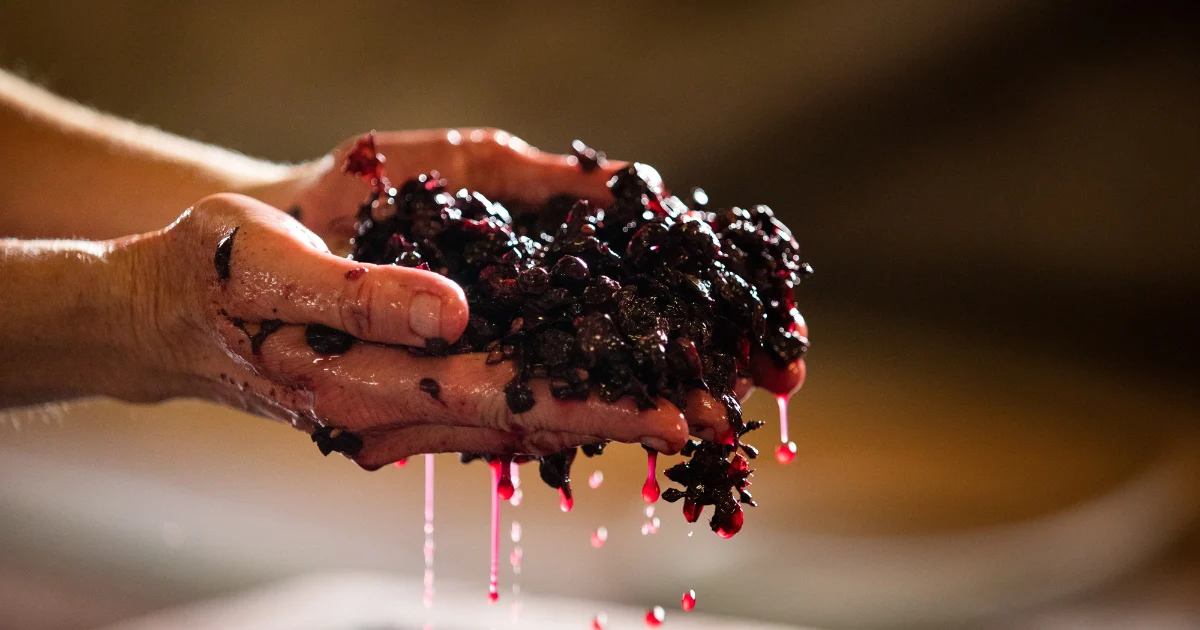
In autumn, when the grape harvest begins and the days grow shorter, there’s a sense of gentle surrender. Families gather olives, make wine, and prepare for the quieter months ahead. The cycle repeats, as it always has, a reminder that endings are never truly final, they are the beginnings of something new.
Beyond its agricultural symbolism, the myth also speaks to a deeper, personal transformation. Persephone’s descent into the underworld can be seen as a journey from innocence to wisdom, from dependence to self-awareness. In many interpretations, she is not just a victim of abduction but a figure who learns to embrace both worlds, light and shadow. Her dual existence mirrors the human experience: we, too, must navigate joy and sorrow, beginnings and endings, knowing that both are necessary for growth.
In this way, Persephone becomes a symbol of inner balance. The ability to bloom again after dark times. Perhaps this is why her story still resonates so strongly with modern people, especially in a world that often rushes forward without pause. She teaches us to respect our own seasons of rest and renewal.
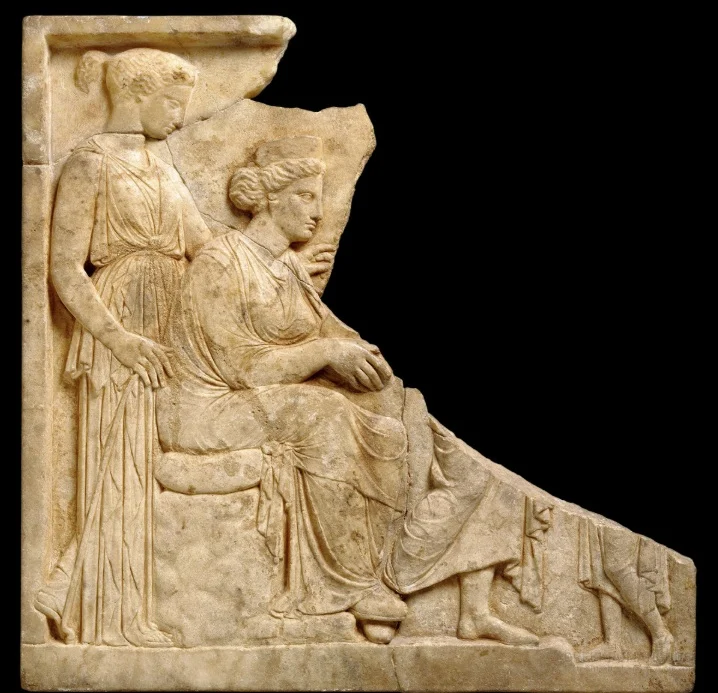
Travel through Greece and you’ll find subtle nods to Persephone and Demeter everywhere. Fields of wheat and olive groves echo Demeter’s gifts to humanity. In Peloponnese, some local customs still honour the earth’s fertility with offerings of bread and wine. In Thessaly, women bake ritual breads shaped like flowers or seeds during planting season. And in Crete, farmers continue to bless their vineyards at the beginning of harvest, just as their ancestors did under Demeter’s watchful gaze.
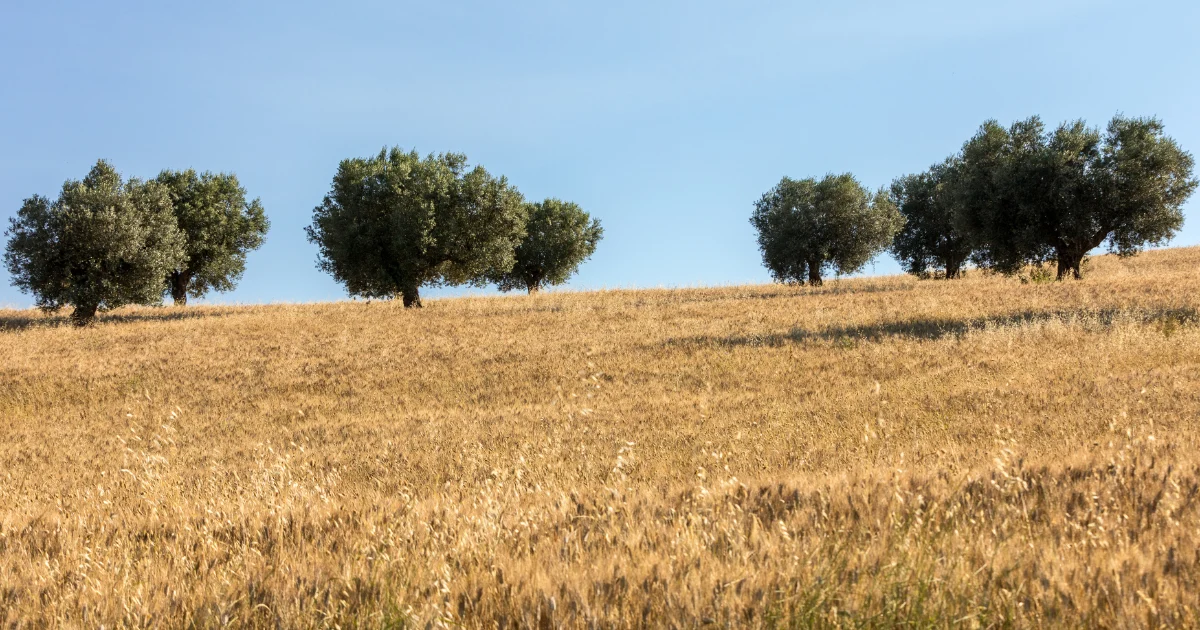
At its heart, the story of Persephone and Demeter teaches that loss and renewal are inseparable. Every ending carries the seed of a new beginning, just as winter contains the promise of spring. For modern life, this ancient wisdom feels especially relevant. In a culture that prizes constant growth and productivity, the Greek myth invites us to pause. To accept that stillness and introspection (our own “underworlds”) are necessary parts of the cycle. To “slow down with the seasons”, is to live like Persephone: embracing each phase with grace, trusting that light always returns.

Persephone’s story endures because it speaks to something timeless within us all: the need to honour life’s transitions. Whether you see her as a symbol of nature’s cycles or as an allegory for personal transformation, she represents the grace that comes from accepting change. In Greece, every season carries her touch: the wildflowers of spring, the ripened grapes of autumn, the silent patience of winter. And as the world slows to rest, then blooms again, Persephone returns, reminding us that light always follows darkness, and that beauty is born from the balance between the two.
Was this useful?