The Currency: The Euro (€)
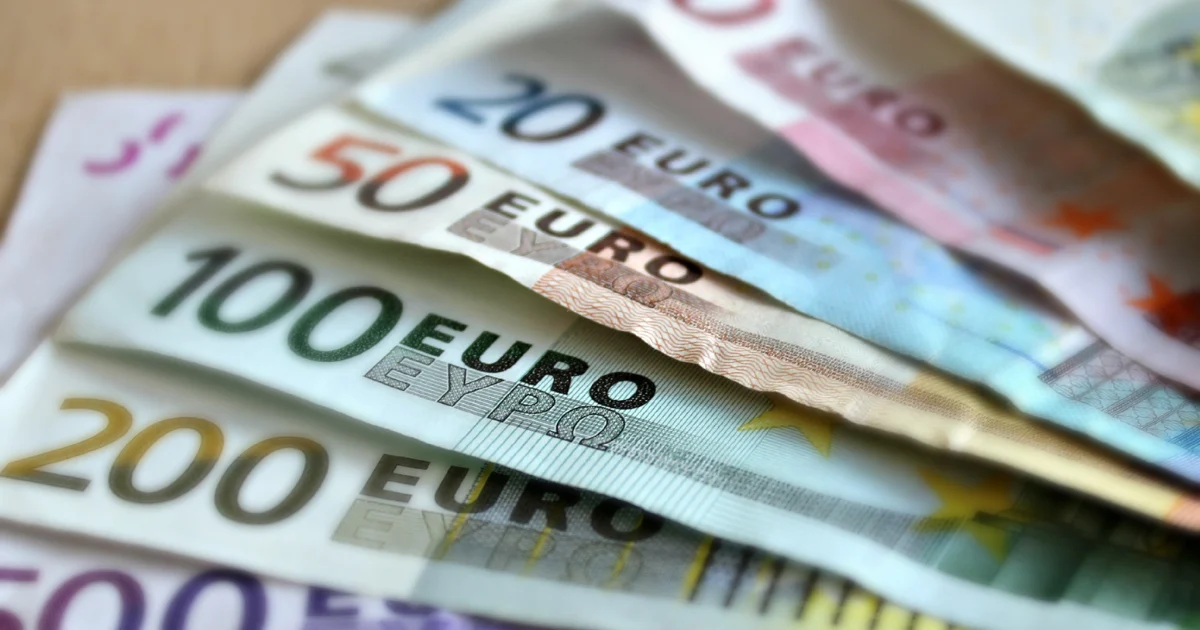
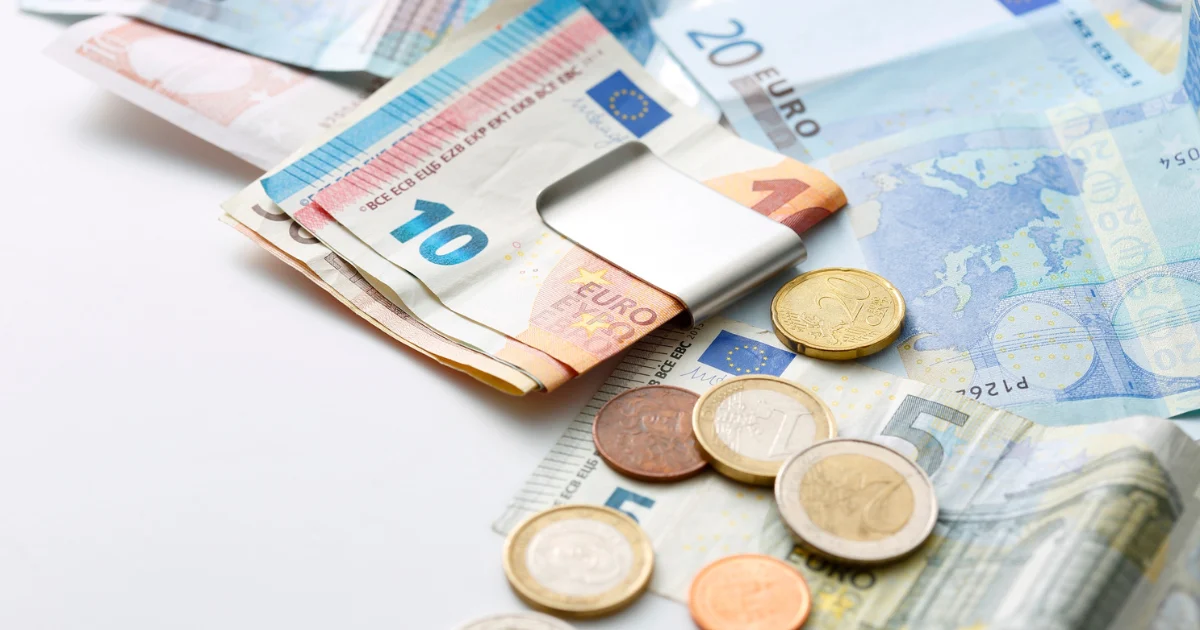
Greece’s official currency is the euro, which replaced the drachma in 2001 when the country joined the Eurozone. Euro notes come in denominations of €5, €10, €20, €50, €100, €200, and €500, though most people rarely use anything above €50 (and keep in mind that most stores refuse to accept €500 bills). Coins range from €1 and €2, and smaller ones in cents (1, 2, 5, 10, 20, 50). 💡 Tip: Small change is gold, literally. Keep coins handy for coffee shops, kiosks, parking and bakeries where it’s common to pay in cash.Cash Is Still King (But Cards Are Catching Up)
Although Greece has modernized rapidly since the financial crisis, cash remains deeply ingrained in daily transactions, especially outside major cities. In Athens, Thessaloniki, and popular islands, nearly all businesses accept credit and debit cards, and contactless payments are standard. However, in smaller villages or traditional markets (laikí), you’ll often see handwritten receipts and cash-only signs. That said, EU regulations now require even small businesses to have POS terminals. So, while card payments are widely possible, don’t be surprised if your favourite seaside taverna quietly prefers cash. 💳 Local insight: Many Greeks still associate cash with flexibility and independence. Paying in cash is often seen as a gesture of respect for small family-run businesses that rely on direct income (in many cases they may even make you a discount if you pay cash).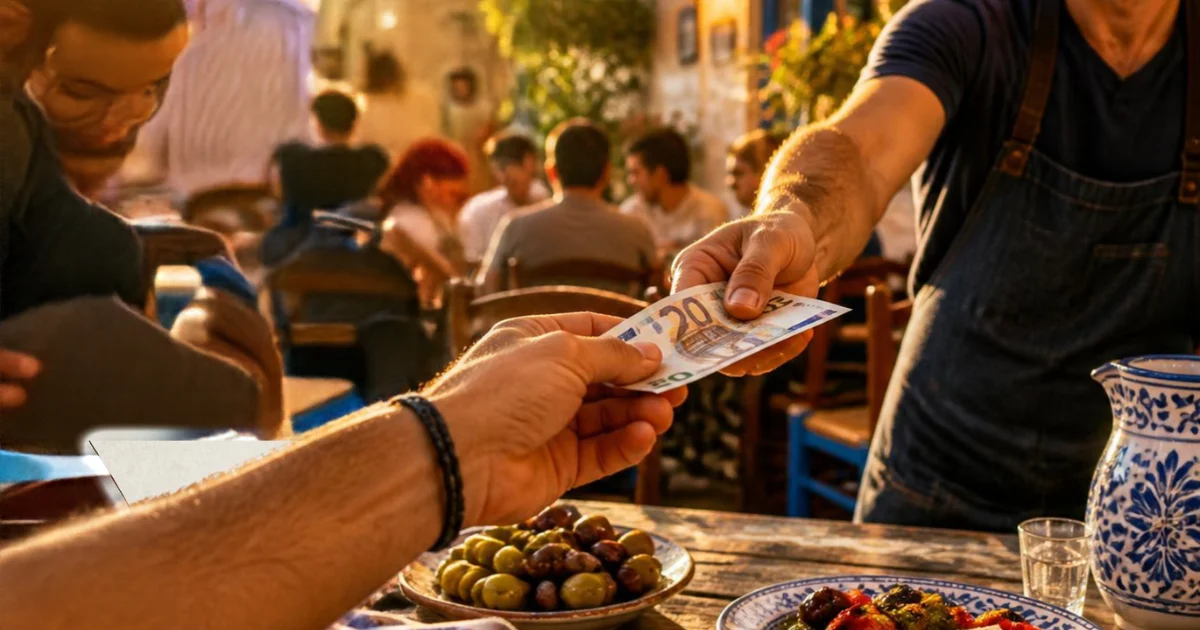
ATMs, Banks, and Exchange Tips
ATMs are everywhere, from ferry ports to mountain towns. Most accept international cards (Visa, Mastercard, Maestro), but keep in mind:- Foreign cards often incur a withdrawal fee of €2-€3 per transaction.
- Avoid Dynamic Currency Conversion (DCC) when prompted; always choose to be charged in euros rather than your home currency for a better rate.
- Many ATMs in tourist zones are operated by independent providers (like Euronet) and these tend to charge higher (sometimes way higher) fees. Bank-owned ATMs (National Bank of Greece, Alpha Bank, Piraeus Bank, Eurobank) are safer choices.
Contactless, Mobile, and Digital Payments
Greece has quickly embraced contactless payments and mobile wallets like Apple Pay and Google Pay. Even taxis in major cities now accept cards or QR codes. For daily life, though, Greeks mix both worlds: you might tap your card at the supermarket, then leave exact cash for your coffee a few minutes later. Popular local platforms include:- Viva Wallet – a Greek-founded digital payment app used by freelancers and small businesses.
- Revolut & Wise – common among expats for managing multiple currencies and transfers.
- e-banking – Greek banks offer easy-to-use mobile apps, essential for paying bills, taxes, or topping up mobile data.
How Much to Tip (and when)
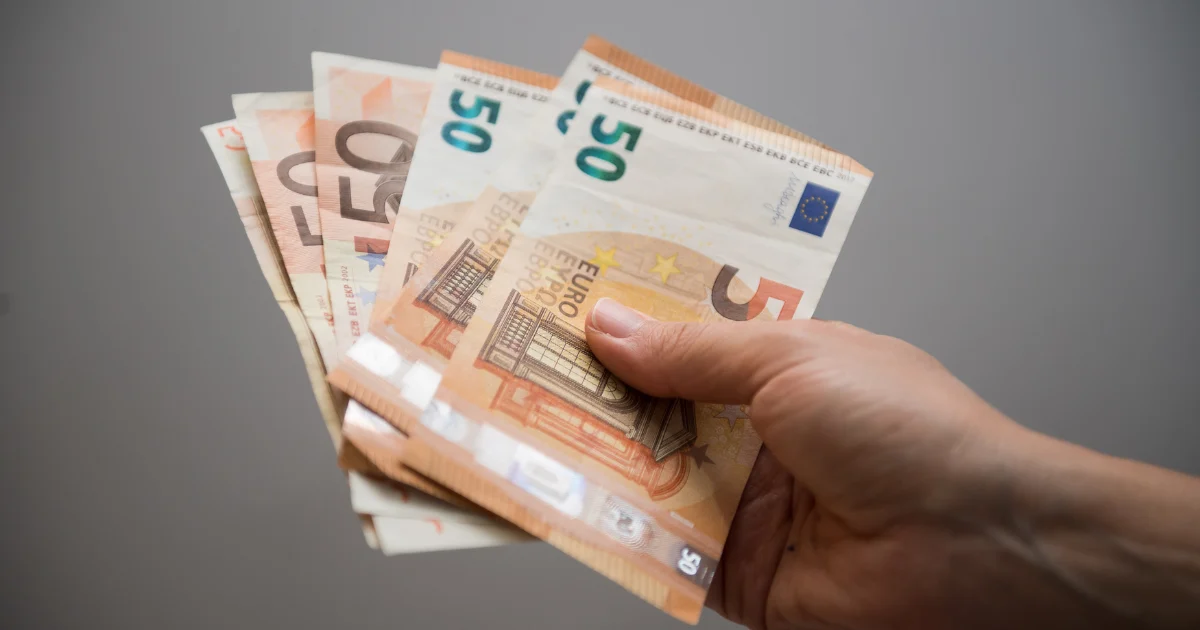
Tipping in Greece isn’t mandatory, but it’s a sign of appreciation and locals do it with warmth rather than obligation. Here’s a general guide:| Service | Typical Tip | Notes |
| Cafés & Bars | Round up or leave €0.50–€1 | Especially if you stay long or order table service |
| Tavernas & Restaurants | 5–10% | Leave coins on the table or tell the waiter to “keep the change” |
| Taxi Drivers | Round up to nearest euro | Add a bit more for luggage or long rides |
| Hotel Staff | €1–€2 per service | For porters, cleaning staff, or room service |
| Tour Guides | €5–€10 | For half-day or full-day tours |
| Hairdressers/Beauty Salons | 5–10% | Only if you’re satisfied with the service |
Daily Costs: What to Expect
Greece remains one of the more affordable countries in Europe, though costs vary greatly by location. A coffee in central Athens might cost €3.50, while in a mountain village it’s still €1.50. Here’s a rough guide for everyday spending:| Item | Average Cost |
| Espresso Freddo | €2–€3 |
| Meal at a taverna | €15–€30 per person |
| Local bus ticket | €1.20 |
| Intercity bus (Athens–Thessaloniki) | €35–€45 |
| Museum entry | €8–€15 |
| Rent (1-bed apt, Athens centre) | €700–€1,000/month |
| Rent (1-bed apt, smaller town) | €400–€600/month |
Cash Culture and Greek Hospitality
Money etiquette in Greece is subtle but revealing. Splitting bills, for example, is less common among Greeks. Instead, one person often pays for the group, with the understanding that others will return the gesture next time. It’s an unspoken expression of filoxenía (hospitality and generosity). If you insist on paying your share, do so gently: “Na sou ta dósō egó, parákaló” (Let me give you my part, please). Still, you have to expect a friendly resistance. Similarly, when invited into someone’s home, it’s customary to bring a small gift like a dessert, wine or something thoughtful. This gesture carries as much value as any cash exchange.
For Expats and Long-Term Residents
For those relocating to Greece, financial life involves a few additional steps:- Get a Greek Tax Number (AFM) – essential for employment, renting or buying property.
- Understand local taxation – Greece taxes worldwide income if you’re a tax resident, but there are special regimes for digital nomads and foreign retirees.
- Use Greek e-banking – most bills (e.g. electricity, water, phone etc.) are paid via direct debit or bank transfer.
- Beware of cash deposit limits – large cash deposits may trigger documentation requests under EU anti-money laundering laws
Frequently asked questions
How much should I tip in Greece?
Tipping is not mandatory but appreciated. Round up or leave 0.50 to 1 euro at cafés and bars, 5 to 10 percent at tavernas and restaurants, round up to the nearest euro for taxis, 1 to 2 euros per service for hotel staff, 5 to 10 euros for tour guides and 5 to 10 percent at hairdressers if you are happy with the service. Tips are usually given in cash even when the bill is paid by card.
Is Greece cash or card?
Both. In Athens, Thessaloniki and popular islands nearly all businesses accept cards and contactless, and EU rules require even small businesses to have POS terminals. In villages and traditional markets cash is still preferred, and many small family-run businesses appreciate or even discount cash payments. Keep coins for coffee, kiosks, parking and bakeries.
Which ATMs should I use in Greece?
Bank-owned ATMs from National Bank of Greece, Alpha Bank, Piraeus Bank or Eurobank. Independent ATMs in tourist zones, such as Euronet, charge much higher fees. Expect a 2 to 3 euro withdrawal fee on foreign cards, and always decline dynamic currency conversion so you are charged in euros.
What does daily life cost in Greece?
Roughly 2 to 3 euros for a freddo espresso, 15 to 30 euros per person for a taverna meal, 1.20 euros for a local bus ticket, 35 to 45 euros for the Athens to Thessaloniki intercity bus, 8 to 15 euros for museum entry, and 700 to 1,000 euros a month for a one-bedroom apartment in central Athens or 400 to 600 euros in a smaller town.
Do Greeks split the bill?
Less often than visitors expect. One person usually pays for the group with the understanding that others will return the gesture next time, an expression of filoxenia. If you insist on paying your share, do it gently and expect friendly resistance.
Was this useful?